
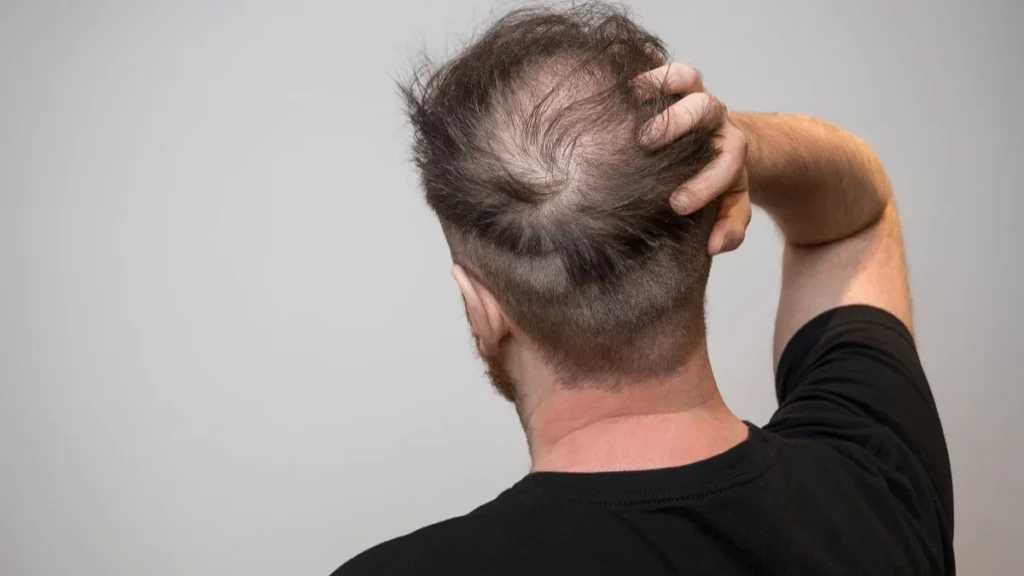
The key distinction is whether the loss involves transplanted follicles, non-transplanted hair, or both. A proper review should consider the donor area, recipient area, scalp health, medications, stress, illness, and long-term hair loss pattern.
Dr. Antonio Aguilar can assess these factors clinically to help determine whether the issue reflects normal shedding, progressive loss, inflammation, or poor graft survival.
Key Takeaways
- Thinning after the two-year point does not always mean the grafts failed. It often stems from ongoing hair loss in native hair, normal shedding cycles, or scalp health issues.
- Transplanted follicles and surrounding native strands can behave differently over time. A scalp exam helps identify which follicles are affected.
- Sudden shedding, patchy loss, redness, pain, or scaling should be reviewed by a physician. These signs may point to inflammation, infection, or another medical cause.
- Treatment depends on the cause of thinning. Options may include medical therapy, scalp treatment, supportive care, or revision planning.
- Long-term follow-up matters after hair restoration. It helps doctors track density changes, post op recovery, and future loss patterns.
Can Transplanted Hair Fall After 2 Years?
Yes, transplanted follicles can shed after two years, but true graft loss is less common once they are fully established. In many cases, the visible thinning comes from surrounding native hair, normal shedding cycles, scalp inflammation, illness, stress, or medical changes. The implanted grafts may still be active even if coverage looks weaker.
Many patients wonder, does transplanted hair fall out after years? It can happen, but a doctor should confirm whether the loss involves implanted follicles or nearby non-transplanted strands. A medical review helps separate normal density changes from true graft loss.
Why Coverage Looks Thinner After Transplant?
Coverage can look thinner even when the implanted grafts remain alive. The most common reason is continued thinning of the surrounding native hair. This can create gaps around transplanted areas, making the result look weaker over time.
A transplant does not stop genetic loss. Male pattern hair loss can continue behind the hairline, through the mid-scalp, or into the crown. This is why long-term planning matters before and after surgery.
Graft loss means the transplanted follicles no longer produce visible strands. Native hair loss means the surrounding non-transplanted strands continue to thin. These issues can look similar without a magnified scalp examination.
Normal shedding happens because each follicle moves through the hair growth cycle. Some strands enter a resting phase and shed before growing again. Long-term loss becomes more concerning when density does not return, or thinning spreads in a clear pattern.
Hair Loss Timeline After Transplant
Hair changes after surgery follow different timelines. Early shedding is often part of recovery, while later thinning needs a more detailed review. Timing helps doctors understand whether the issue relates to healing, ongoing loss, or another medical factor.
1. Around 2 Weeks
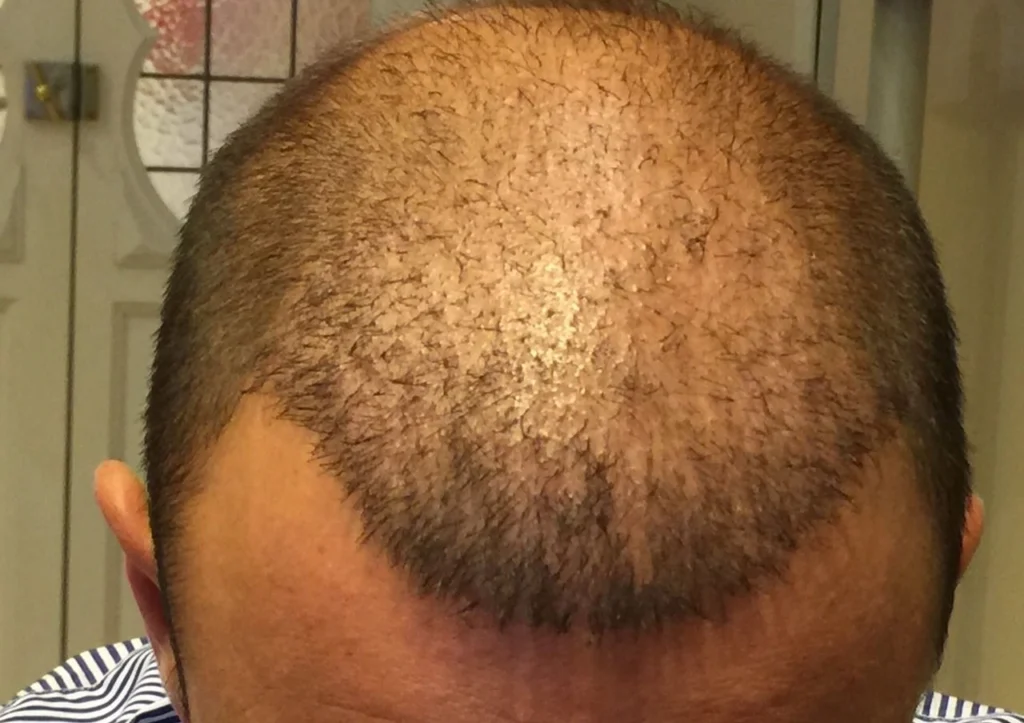
Shedding around two weeks after surgery is common, and this early stage is often discussed in guides about graft loss after hair transplant. This is often called shock loss, and it usually affects the visible shaft rather than the follicle itself.
2. Around 6 Months
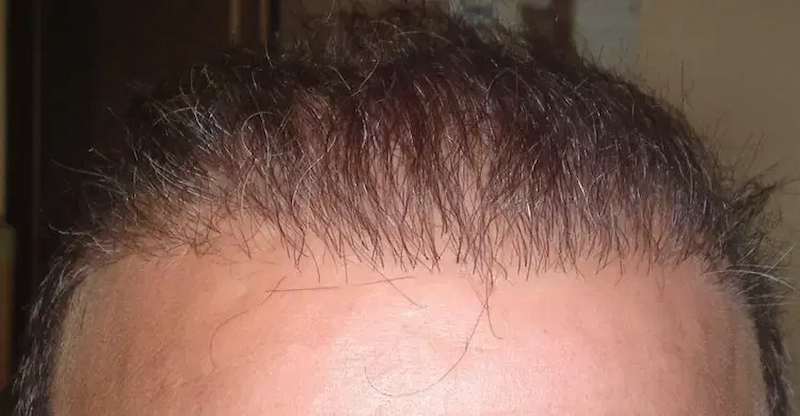
Growth is often still incomplete at this stage. Some patients see uneven density, fine strands, or slow growth because hair follicles may still be maturing.
3. Around 1 Year
Many patients see clearer results within one year. If density starts dropping after this point, doctors may check for native hair loss, scalp inflammation, or poor maintenance therapy.
4. After 3 to 5 Years
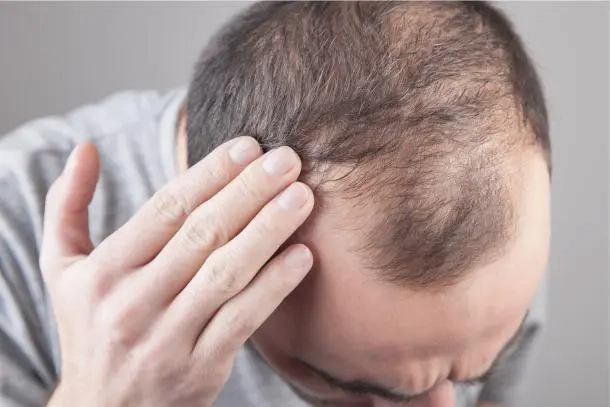
Changes three to five years later often reflect progressive genetic thinning or medical causes. A doctor can compare the current pattern with earlier photos to identify what may be changing.
When Hair Loss Needs Medical Review
Some changes deserve professional evaluation. Sudden or patchy loss may point to inflammation, autoimmune conditions, infection, or another scalp disorder. A doctor can check whether the issue affects the grafts, the native hair, or both.
Sudden shedding can occur after illness, stress, surgery, weight loss, or medication changes, and it may overlap with some side effects of hair transplant recovery. Patchy loss may suggest alopecia areata, scarring, trauma, or localized inflammation. Redness, pain, itching, or scaling may suggest scalp irritation or infection.
Medical Causes of Late Shedding
Late shedding can come from several medical factors. These causes may affect both transplanted and non-transplanted hair. Hair transplant surgeons often review health history, scalp condition, and medication use before suggesting treatment.
Common causes include telogen effluvium, stress, illness, hormonal imbalances, scalp inflammation, nutritional deficiencies, and medication changes. Telogen effluvium can occur when many follicles shift into the resting phase after a trigger. Thyroid problems, androgen sensitivity, low iron levels, low vitamin D levels, or scalp disease may also affect density.
How Doctors Evaluate Hair Loss
A proper evaluation looks beyond visible thinning. The physician reviews the donor area, recipient zone, scalp health, and hair caliber. Dr. Antonio Aguilar may assess whether the concern involves transplanted follicles, native strands, or a medical trigger.
The donor area helps show whether the graft source remains stable. The scalp exam checks density, irritation, scarring, and follicle quality. Medical history and lab work may include thyroid function, iron levels, hormones, vitamins, stress, illness, medications, and post-op complications.
How Often Does FUE Fail
FUE (Follicular Unit Extraction) failure is uncommon when proper technique, graft handling, and follow-up are in place, but outcomes can vary. No transplant method can guarantee a specific density or growth rate.
DHI (Direct Hair Implantation) and FUE are established techniques, and implantation tools such as pens can help place grafts, but results still depend on planning, blood flow, healing, and patient factors.
Results vary because patients differ in donor quality, scalp health, hair caliber, medical history, and aftercare. Clinic systems also matter, including physician involvement, graft handling, and structured follow-up. Patients often compare Mexico, Turkey, and the United States because regulations, oversight, supervision models, and continuity of care can differ across regions.
Hair Transplant Mexico is located in San Pedro, Monterrey, Mexico, an affluent area in northern Mexico. Patients comparing countries often look at medical oversight, physician involvement, regulatory standards, patient follow-up, and continuity of care. These factors can affect safety, communication, and long-term planning.
Treatment Options to Discuss
Treatment depends on the cause of thinning. Some patients need medical therapy, some need scalp treatment, and others may need observation before a decision is made. A second surgery should be considered only after the cause is clear.
Minoxidil and finasteride may help stabilize ongoing genetic loss in suitable patients. Scalp treatment may help when inflammation, dandruff, folliculitis, or irritation affects growth. PRP, supportive care, or revision hair transplant may be discussed when follicles are still active, density remains low, or the pattern has changed.
If you notice thinning, shedding, or changes in density after a transplant, a medical review can help identify the cause. Schedule a consultation to evaluate your scalp, grafts, and long-term hair restoration plan.