Hair transplants in Mexico are often compared with U.S. procedures because they may offer lower overall costs, depending on graft count, clinic standards, doctor involvement, and follow-up care. Hair Transplant Mexico, located in San Pedro, Monterrey, is one option for patients who want to compare costs, clinic quality, and continuity of care near Texas.
Key Takeaways
- A hair transplant in Mexico near Texas can be practical for patients seeking lower costs, access to northern Mexico, and shorter travel times than overseas destinations.
- Costs vary by graft count, technique, clinic standards, doctor involvement, travel expenses, and follow-up care.
- Texas patients often compare border cities such as Reynosa, Nuevo Laredo, and Juárez with Monterrey in terms of distance, medical oversight, and continuity of care.
- FUE, DHI, PRP, and other hair restoration options should be selected after a medical evaluation of hair loss, donor area strength, and long-term goals.
- A safe clinic should provide clear pricing, physician involvement, sterile protocols, realistic case photos, and structured follow-up after the patient returns home.
Is Mexico Near Texas a Good Option?
Mexico can be a good option when a clinic offers medical oversight, clear communication, and post-surgery follow-up. Patients often compare Mexico, the United States, and other destinations because hair restoration surgery can vary in cost, regulations, the doctor’s role, and clinic models. The key is to compare the full care plan, not only the price.
Why Texas Patients Choose Mexico
Texas patients may choose Mexico because travel can be easier than going overseas. Costs may also be lower than in many U.S. cities. Monterrey is not on the border, but it is a major city in northern Mexico with private medical care.
Border cities may offer shorter access from Texas. Monterrey may appeal to patients who want a larger medical setting. The right choice depends on safety, the doctor’s role, and follow-up care.
Best Places in Mexico Near Texas
Patients often compare Reynosa (near McAllen), Nuevo Laredo (near Laredo), Juárez (near El Paso), and Monterrey. The best option depends on the patient’s location, clinic standards, doctor’s involvement, and access to follow-up care. Top clinics should provide clear pricing, a doctor exam, clean rooms, real case photos, and safety steps.
Hair Restoration in Mexico Near Texas
Hair restoration can include FUE (Follicular Unit Extraction), DHI (Direct Hair Implantation), PRP(Platelet-rich plasma) support, or non-surgical care. The best plan depends on the cause and stage of hair loss. A visit should include a review of the donor area, hair follicles, scalp health, medical history, future risk of hair loss, and different hair types.
Dr. Antonio Aguilar may assess these factors before recommending minimally invasive hair restoration surgery or another option. The goal is to match the treatment to the patient’s hair loss pattern. A safe plan should also protect the donor area for the long term.
FUE and DHI Techniques
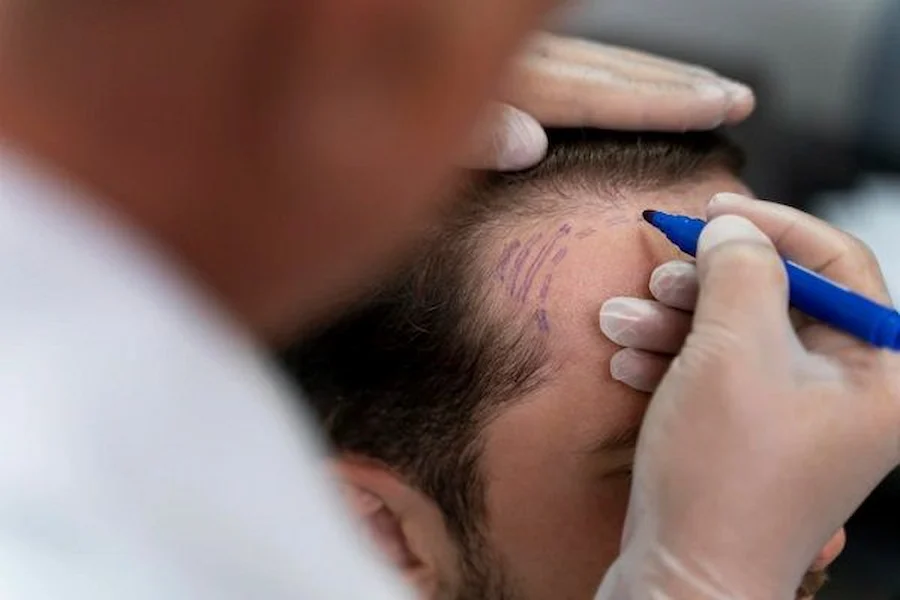
Follicular Unit Extraction (FUE) and Direct Hair Implantation (DHI) are common methods in modern hair restoration, and comparing FUE vs DHI techniques can help patients understand how each method works. FUE removes single grafts from the donor area. Direct hair implantation typically involves placing grafts using pen-style tools.
FUE hair transplants may avoid the linear scar linked to Follicular Unit Transplantation (FUT). This does not mean one method is best for every patient. A doctor should explain which method best fits the patient’s hair, scalp, goals, and hair type.
Mexico Hair Transplant Near Texas Price
Price estimates vary by graft count, method, clinic location, local anesthesia, and included care. With Dr. Antonio Aguilar at Hair Transplant Mexico, a single FUE area, such as the crown or hairline, ranges from $4,500 to $8,000. A full FUE surgery ranges from $6,000 to $10,000, with final pricing confirmed after evaluation.

All-Inclusive Hair Transplant in Mexico
A package in Mexico may include the consultation, the procedure, basic medication, hotel support, transportation, and follow-up messages. At Hair Transplant Mexico, Dr. Antonio Aguilar provides a hotel stay and a private driver to assist patients during their visit. Transportation is arranged between the hotel, clinic, and airport for safe, convenient travel throughout the procedure.
Patients should confirm each item in writing. They should ask whether PRP, lab work, revision policies, or post-op supplies cost extra. A package should be judged by medical quality, doctor involvement, and follow-up care, not only by what it includes.
How to Choose a Safe Clinic
A safe clinic should explain who checks the patient, designs the hairline, removes grafts, places grafts, and manages follow-up. Facility standards matter because graft handling, clean technique, patient checks, and surgical flow can affect safety. Patients should verify key points before booking:
- Doctor credentials and licensing
- Role of the doctor during surgery
- Clean procedure rooms and graft handling
- Case photos with clear angles and timelines
- Reviews that mention care, support, and follow-up
- A plan for concerns after returning to Texas
Patient proof should be reviewed with care. Case photos should use similar light, angles, hair length, and timeframes. Reviews can reveal patterns in communication, recovery support, and results, but outcomes vary from person to person.
Recovery After Returning to Texas
Recovery continues after the patient leaves the clinic. During the first few days, patients should sleep with their head elevated, avoid touching the hair grafts, and follow the clinic’s washing instructions. They should also avoid heavy exercise, direct sun exposure, swimming, alcohol, and scratching while the scalp begins to heal.
Some redness, swelling, scabbing, and mild tenderness can happen during early recovery, and patients should know how scalp scabs heal after a hair restoration procedure. Some shedding of transplanted hair can also happen before new growth starts. A clinic with state-of-the-art tools should still explain which symptoms are expected and which signs need medical review.
Patients should contact the clinic if they notice more pain, unusual swelling, drainage, fever, or other concerns. Remote follow-up can help the medical team review healing photos and guide next steps.
To understand your options, schedule a personal evaluation to review your hair loss pattern, donor strength, expected coverage, and long-term plan.