
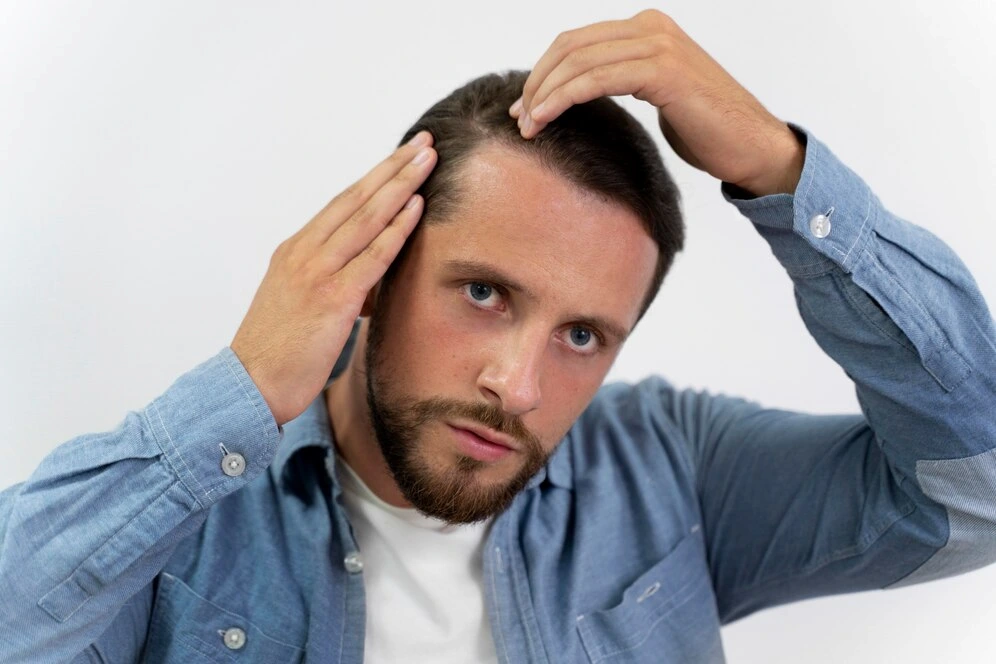
Each option works differently. Some treatments support active hair follicles over several months, while others create the appearance of fuller hair when regrowth is limited. The best choice depends on the cause of hair loss, the stage of thinning, and the condition of existing hair.
In clinical settings such as Hair Transplant Mexico in San Pedro, Monterrey, a medical evaluation helps choose the safest option and set realistic expectations.
Key Takeaways
- Alternatives to hair restoration surgery include medications, PRP, LLLT, and cosmetic options that help slow hair loss or improve thinning hair.
- Results depend on active hair follicles and require consistent use over time.
- Early-stage hair thinning responds better to treatment, whereas advanced hair loss may require cosmetic solutions or a combined approach.
- Combination treatments can improve results by targeting different causes of hair loss.
- A medical evaluation helps choose the right option and set realistic expectations.
Top 7 Hair Transplant Alternatives
1. Minoxidil for Hair Regrowth
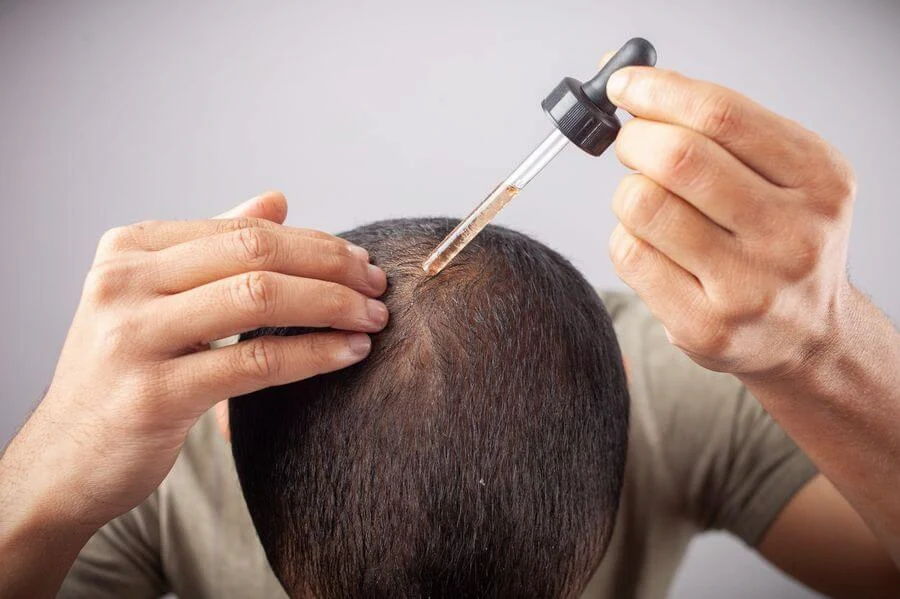
Minoxidil is a topical treatment that can increase blood flow to the scalp and stimulate hair growth. It supports thicker strands and may increase hair density when hair follicles are still active. It is commonly used in the early stages of thinning hair.
Results depend on consistent use over time. It does not restore hair in inactive follicles, but it may support hair regrowth and fuller hair when used long-term.
2. Finasteride for Male Pattern Baldness
Finasteride is an oral medication used to treat hair loss linked to hormonal factors. It works by reducing the hormone that contributes to male pattern baldness and helps preserve existing hair. It is most effective in early to moderate stages.
It does not create new hair follicles. Medical supervision is required, and results depend on consistent use and patient response.

3. Platelet-Rich Plasma Therapy
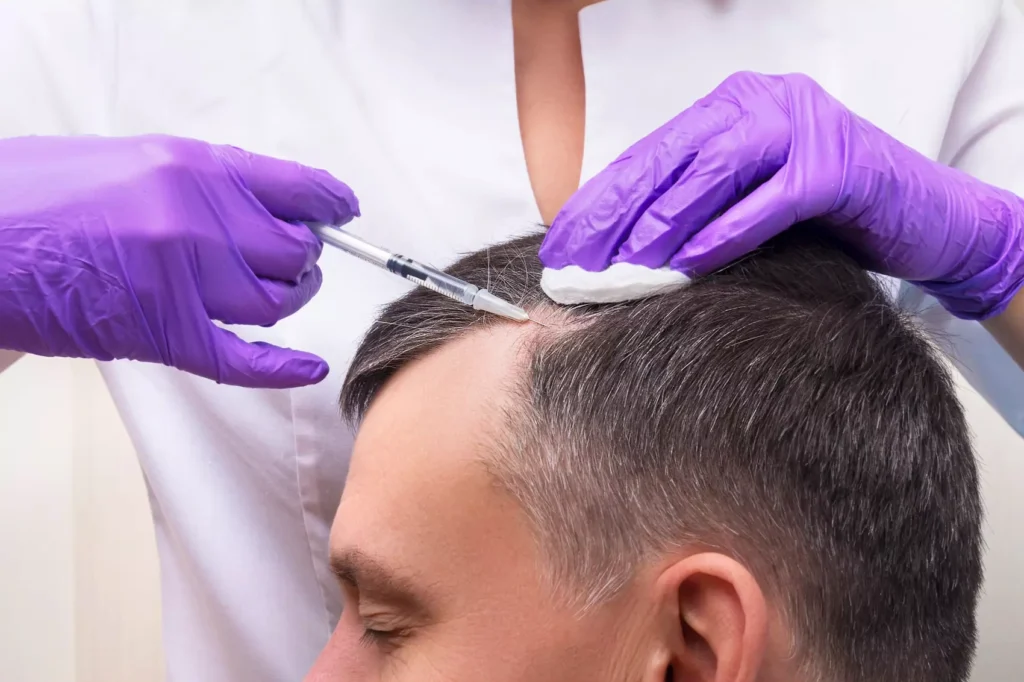
PRP uses components from the patient’s blood to support hair regrowth. The process may increase blood supply and deliver growth factors to hair follicles, potentially stimulating hair growth in some cases. It is used when thinning hair remains.
Results develop gradually and require repeated sessions. This treatment depends on follicle activity and should be guided by medical evaluation.
4. Low-Level Laser Therapy
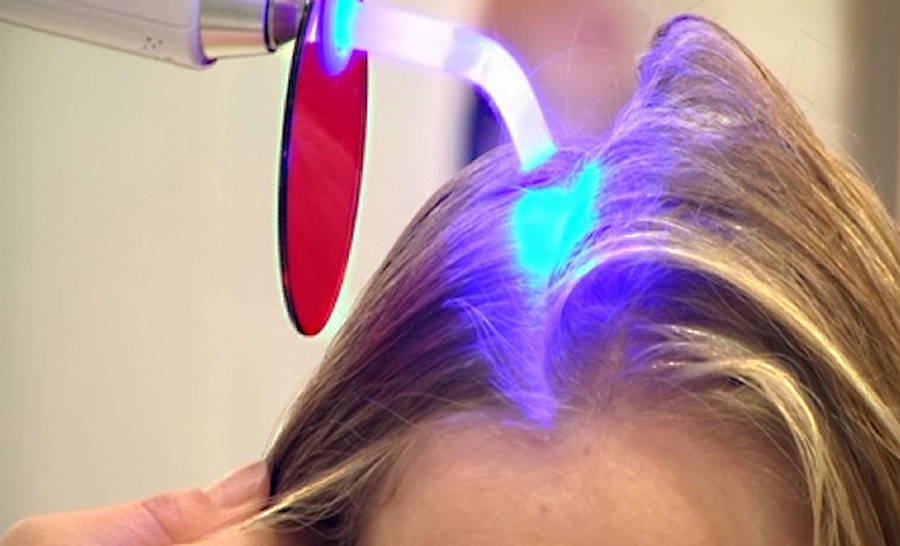
LLLT uses light energy to stimulate hair follicles and support cellular activity. This process may help promote hair growth and improve density over time. It is suitable for early to moderate hair thinning.
Results are gradual and require consistent use. It is often combined with other treatments to stimulate hair growth and maintain results.
5. Scalp Micropigmentation
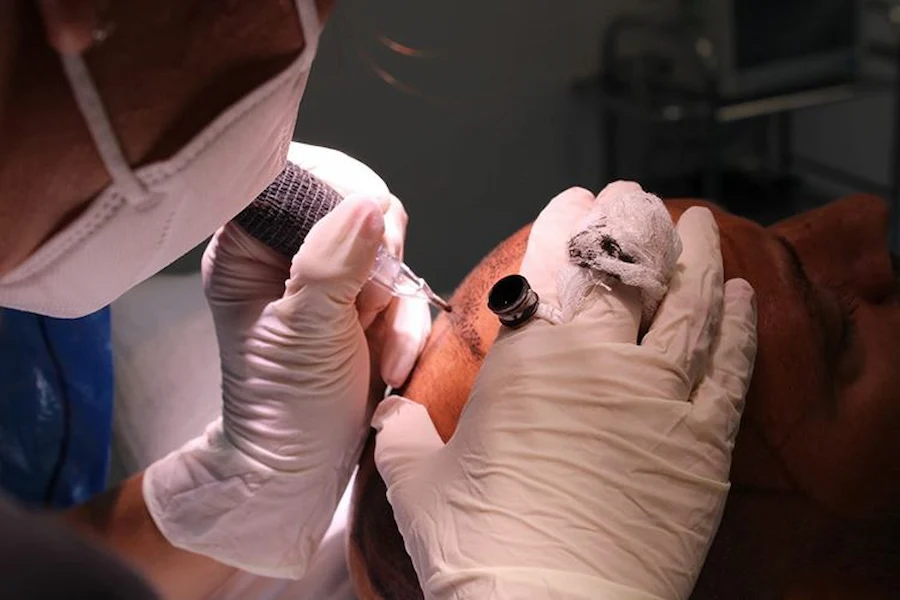
SMP creates the appearance of fuller hair by adding pigment to the scalp. It reduces contrast between scalp and hair and improves visual density without affecting hair follicles. It is used for visible thinning areas.
It does not treat hair loss or stimulate hair growth. Results are immediate but require ongoing maintenance.
6. Hair Systems and Wigs
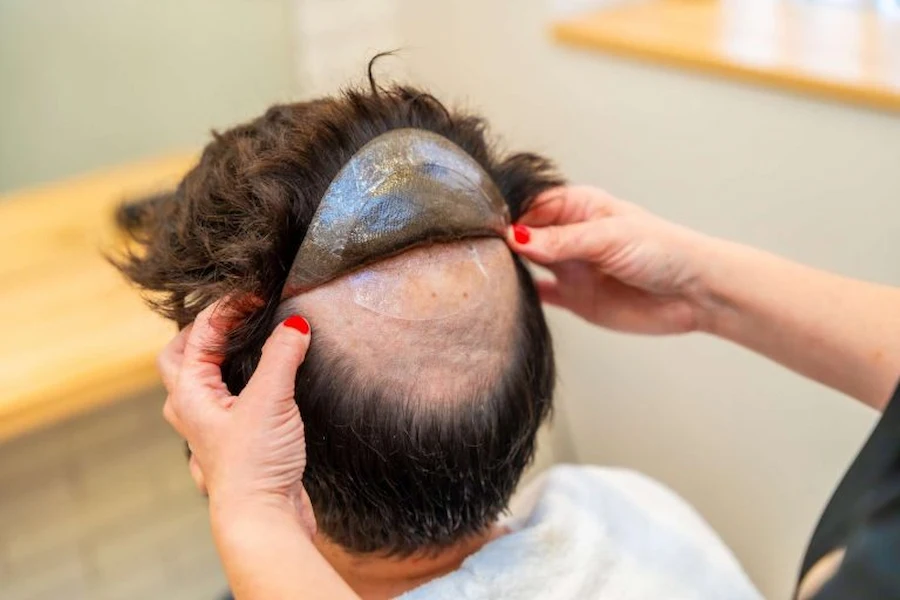
Hair systems provide coverage for advanced hair loss by adding external hair. They do not interact with hair follicles or promote hair growth, but they can create the appearance of increased hair density. They are used when existing hair is limited.
Maintenance is required to preserve the appearance. They offer a non-medical option for patients who have experienced hair loss despite treatment.
7. Combination Treatment Approaches
Many patients use a combination of treatments to treat hair loss more effectively. Medications may preserve existing hair, while PRP or LLLT can stimulate hair growth. This approach can support increased hair density over time.
Common combinations include:
- Minoxidil + Finasteride – helps slow male pattern baldness and support hair regrowth
- Minoxidil + PRP – improves scalp conditions and stimulates hair follicles
- Finasteride + LLLT – supports hormonal control and cellular activity
- PRP + LLLT – targets follicle stimulation through different mechanisms
Results vary based on consistency and follicle condition. Combination plans are often used to maintain long-term hair regrowth.
These options address different stages of hair thinning. Some aim to stimulate hair growth, while others improve appearance or help preserve existing hair. The effectiveness of each method depends on follicle activity and consistent use.
Some patients also explore emerging approaches such as stem cell therapy for hair in Mexico, which are being studied as part of evolving hair restoration strategies.
A structured plan helps guide treatment selection. Patients often benefit from combining approaches based on their condition.
Why Consider an Alternative to Hair Restoration Surgery
Patients may explore alternatives when they are not candidates for surgery or want to delay it, especially when evaluating whether a procedure is worth pursuing in the long term through a detailed analysis of whether a hair restoration surgery is worth it.
Early treatment can help preserve hair follicles and slow progression. Some also prefer options with less downtime or lower initial cost, particularly when comparing different providers and reviewing top clinics in Mexico as part of their research.
What Is the Best Alternative to Hair Transplant
There is no single best option because results depend on the cause of hair thinning and how much existing hair remains. For early male pattern baldness, medications may slow progression and promote hair growth, while clinical therapies may stimulate hair growth in moderate cases. Cosmetic options can improve appearance when density loss is more visible.
A physician evaluates scalp condition and follicle activity before suggesting a plan. This helps align expectations with realistic outcomes and supports safer treatment decisions.
How to Choose the Right Option
Choosing a treatment depends on the stage of hair loss and the patient’s goals. A clinical evaluation helps determine if hair follicles are still active and if treatment may be effective. This step supports safer and more accurate planning.
Patients should consider long-term commitment and follow-up. Consistent care improves results and helps adjust treatment over time.
Risks and Limitations of Alternatives
Alternatives to hair restoration surgery do not create new hair follicles. Results depend on the condition of existing hair and the consistency of treatment. Some patients may see limited improvement depending on the stage of loss.
Medical evaluation helps identify realistic expectations. Structured follow-up supports safer outcomes and better long-term management.
What Results You Can Expect
Most treatments aim to slow hair loss and support increased hair density rather than restore full coverage. Patients may notice reduced shedding and gradual hair regrowth. Results vary and require ongoing management.
A structured plan helps maintain improvements. Long-term care is often needed to preserve results and support hair growth.
Patients who want a personalized evaluation can schedule a consultation to review options and determine the most appropriate treatment plan.