
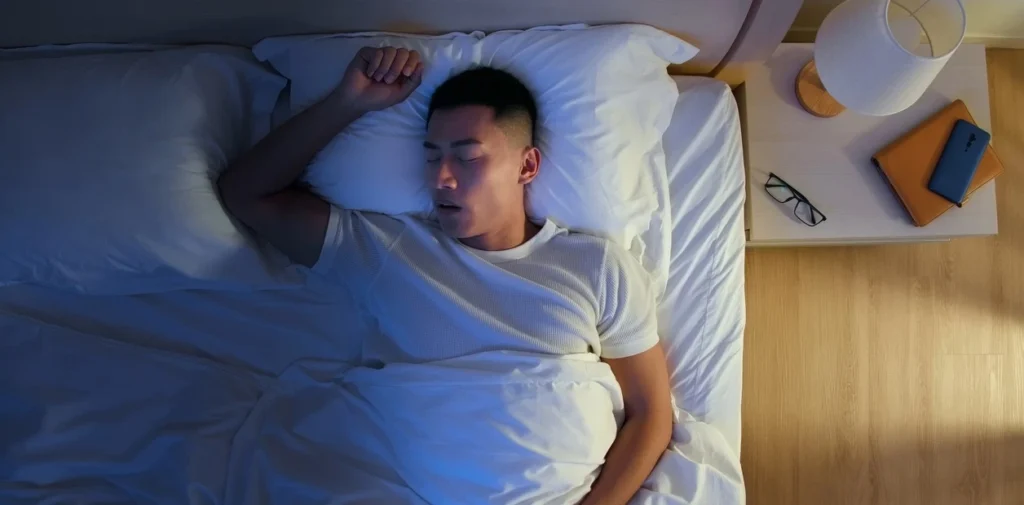
Understanding the correct sleep position helps reduce swelling, support graft survival, and limit pressure on both the donor and treated areas. These precautions are especially important during the first 7 to 10 days, when the transplanted follicles are still settling into the scalp.
During this early recovery period, patients should avoid sleeping on their side or stomach, as this can cause friction or disrupt healing. Elevation helps control fluid buildup, which can reduce swelling around the forehead and eyes.
The correct sleeping position also improves comfort and supports consistent healing. At Hair Transplant Mexico, located in San Pedro, Monterrey, this type of postoperative guidance is part of standard recovery protocols supervised by physicians such as Dr. Antonio Aguilar, who specializes in FUE (Follicular Unit Extraction).
Key Takeaways
- Sleeping on your back with your head elevated at about a 45 angle helps protect transplanted follicles and reduce swelling during the early recovery process.
- The first 3 days after surgery are the most critical, as grafts are still settling and can be affected by pressure, movement, or friction.
- Using supportive tools, such as pillows or a neck pillow, can help maintain a stable sleeping position and prevent accidental contact with the recipient area.
- Temporary discomfort, swelling, and difficulty sleeping are common, but they usually improve within the first week as the healing process progresses.
- Following postoperative instructions and avoiding risky positions helps reduce the risk of complications and supports consistent graft survival.
Best Way to Sleep After a Hair Transplant
The best way to sleep is to focus on protecting your grafts and maintaining stability. Movement or pressure can affect graft survival, especially during the first days after surgery. This applies whether the procedure was performed using an FUE (Follicular Unit Extraction) technique or a method like DHI (Direct Hair Implantation) hair restoration surgery in Mexico.
Maintaining the correct sleeping position helps reduce the risk of disturbing the grafts, which is an important part of post-hair implantation care.
This is particularly important in the first few days after surgery, when the follicles are still settling into the scalp following follicular unit extraction. Proper positioning also supports blood flow and reduces swelling.
Many patients notice tightness or mild discomfort during the first night. This is part of the recovery process and usually improves within a few days. Staying in position helps reduce the risk of disrupting transplanted follicles.
Sleep on Your Back
Sleeping on your back prevents contact with the recipient area and protects transplanted follicles. This position also supports alignment and reduces unnecessary pressure on the scalp. It is the safest option during the postoperative phase.
Keep Your Head Elevated
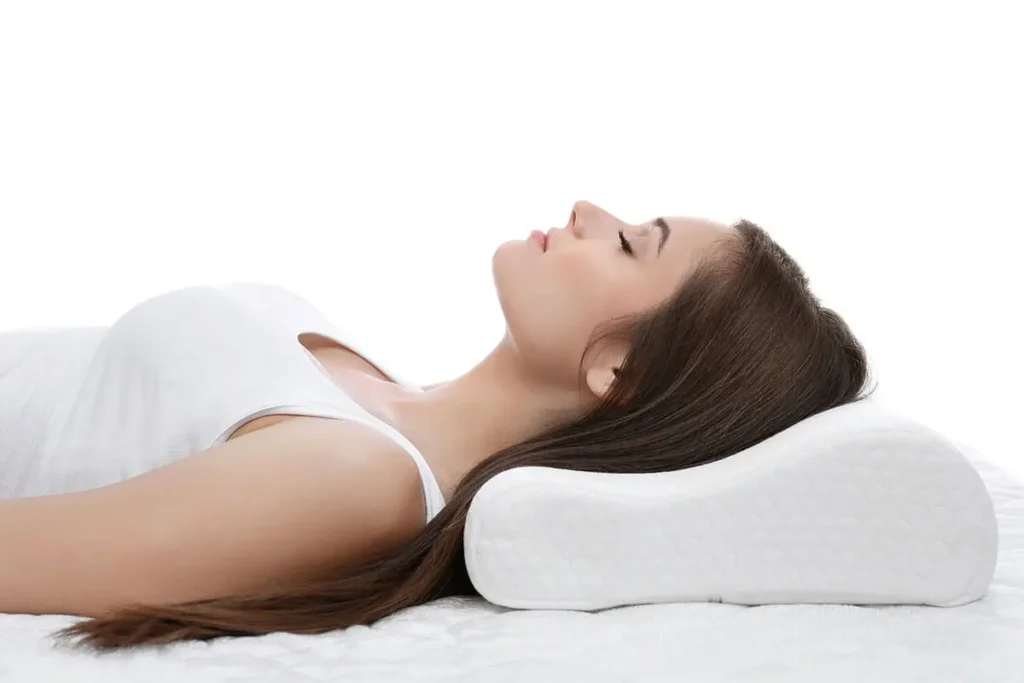
Patients should elevate their head at about a 45-degree angle to reduce swelling and improve circulation. This position helps prevent fluid buildup and supports the recovery process. To slightly elevate the head, use multiple pillows or an adjustable setup.
How to Sleep Upright After a Hair Transplant
Sleeping upright helps control swelling and limits movement during the early recovery process. It also reduces pressure on both the donor and the transplanted area.
This position may feel uncomfortable at first, and some patients experience interrupted sleep. However, maintaining stability is more important during the first days after surgery.
Using a Neck Pillow After a Hair Restoration Surgery
A neck pillow helps keep the head stable and prevents rolling during sleep. It reduces the chance of accidental contact with the transplanted follicles. This is useful for patients adjusting to a new sleeping position.
What to Avoid While Sleeping
Certain positions can affect graft survival and should be avoided. Sleeping on your side or stomach can create pressure on the transplanted area and increase the risk of irritation.
Repeated friction or pressure may affect the healing process and reduce the chance of optimal outcomes. Avoiding these positions helps protect the grafts and supports recovery.
Accidentally Slept on Side After Hair Transplant
A brief change in position does not always cause damage. However, repeated pressure may affect transplanted follicles. Returning to the correct position helps reduce the potential risk of complications.
Hair Restoration Surgery Sleep Timeline
The recovery process follows a general timeline, although results vary by patient. Proper sleep habits during this period support graft survival and recovery.
First 3 Days
The first days after surgery are critical for graft stability. Transplanted follicles are still settling into the scalp. Any pressure can affect placement and the healing process.
First 7 to 10 Days
During this stage, grafts begin to anchor more securely. Patients may still need to maintain careful positioning to protect results. Swelling usually improves during this phase, and understanding the overall recovery and expectations can help patients evaluate whether a hair restoration surgery is worth it.
Can You Touch Grafts After 10 Days
By 10 days, transplanted follicles are more stable, but care is still required. Light contact may be allowed depending on the healing process. Patients should avoid scratching or applying pressure.
If there are signs of bleeding or discomfort, medical evaluation may be needed. Monitoring the scalp helps ensure proper recovery.
Tips to Protect Hair Grafts While Sleeping
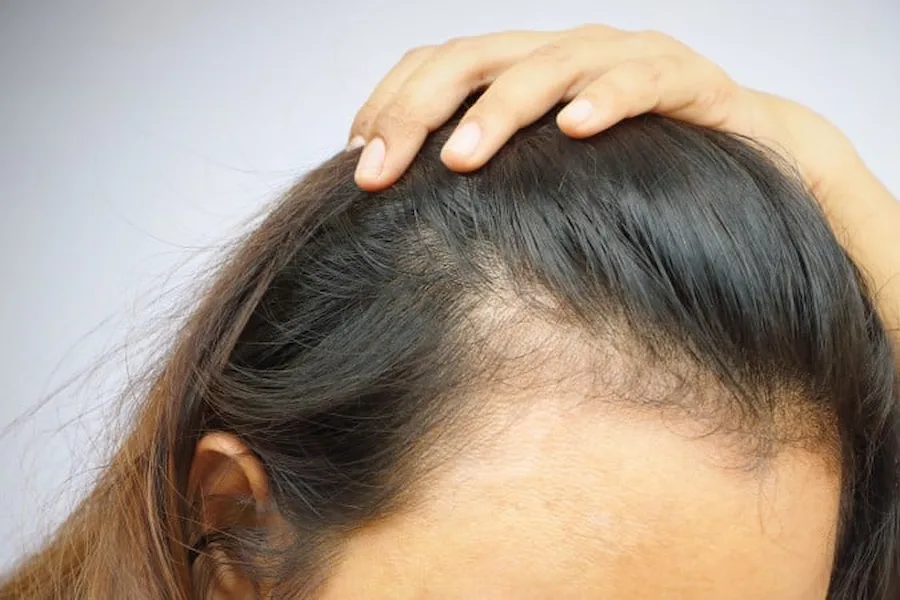
Protecting your grafts requires consistent habits during sleep. Small adjustments help reduce the potential risk of complications and support healing.
- Keep the head elevated to control swelling
- Use pillows to maintain position
- Avoid sudden movements
These steps support graft survival and improve comfort during recovery.
What Doctors Recommend After a Hair Restoration Surgery
Doctors emphasize structured postoperative care to support safe outcomes. This includes proper sleep positioning, monitoring, and follow-up during recovery.
Hair Transplant Mexico is located in San Pedro, Monterrey, Mexico, an area known for medical care and patient follow-up. Patients comparing regions such as Mexico, Turkey, or the United States often evaluate physician involvement, regulatory standards, and continuity of care. These factors influence the quality of recovery and long-term results after procedures like FUE.
If you need personalized guidance for your case, you can schedule a consultation with a qualified physician to review your options.