

Timing depends on the pattern and progression of hair thinning, the condition of hair follicles, and long-term planning for future hair loss.
A qualified physician evaluates these factors before recommending any transplant procedure. At Hair Transplant Mexico in San Pedro, Monterrey, Dr. Antonio Aguilar performs medical assessments to determine candidacy based on clinical findings rather than age alone.
Key Takeaways
- The best age for a hair transplant depends on hair loss being stable rather than on a fixed number, with most candidates falling between their late 20s and 40s.
- Younger patients may face higher risks if they are still experiencing hair loss, while older patients often have more predictable patterns but must be evaluated for donor availability.
- Doctors determine the right age for a hair transplant through clinical evaluation, including hair follicles, donor density, and long-term planning.
- Hair transplant surgery does not stop future hair loss, so results depend on timing, realistic expectations, and proper graft distribution.
- Delaying a transplant procedure can improve long-term outcomes when hair loss is still progressing.
What Is the Best Age to Get a Hair Transplant?
The right age for a hair transplant is usually between 25 and 40, when hair loss has stabilized, and patterns are more predictable. This allows doctors to plan a transplant procedure that accounts for current thinning hair and future changes.
It depends on stabilized hair loss and sufficient donor hair. If surgery is performed too early, untreated balding areas may continue to thin, potentially affecting overall hair growth.
How to Know If It Is the Right Time
Age alone does not determine candidacy. Doctors evaluate stability, donor supply, and long-term progression before recommending a transplant procedure. Patients who are still experiencing hair loss may benefit from waiting.
Doctors often assess readiness using simple criteria:
- Stabilized hair loss for at least 12 months
- Clearly defined balding areas
- Adequate donor hair density
- Not at a very young age with active progression
This approach helps reduce uneven results and supports better long-term planning.
How Age Affects Hair Transplant Timing
Hair Loss Progression and Stability
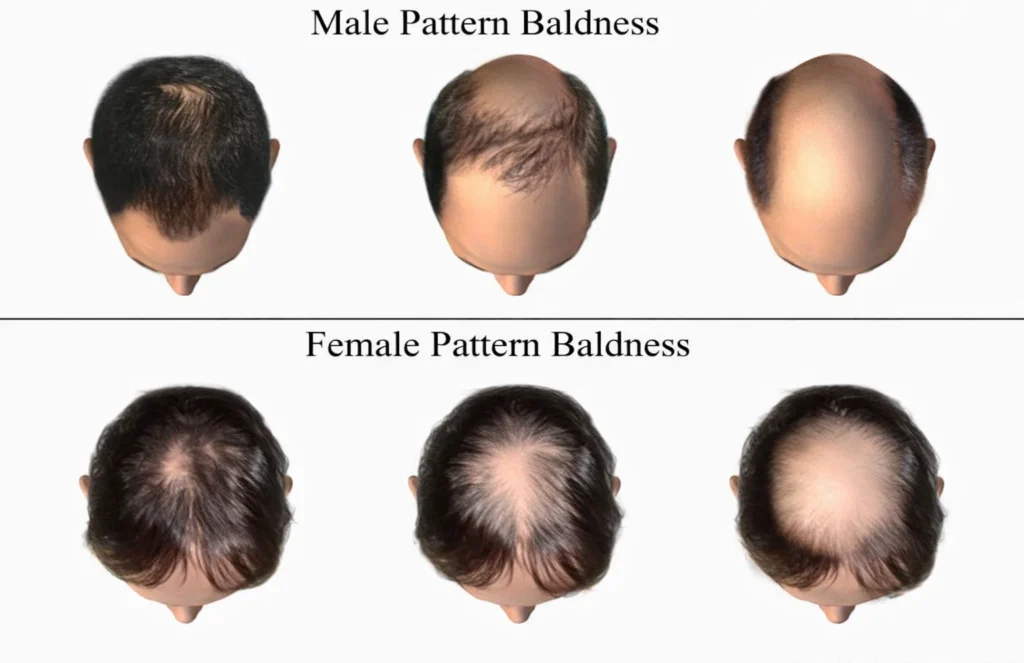
Hair loss progression plays a key role in timing. Conditions like male pattern baldness create expanding balding areas over time. A transplant procedure works best when patterns are more defined.
Surgeons also plan for future changes in hair loss treatment. They consider how hair follicles will respond and how hair thinning may progress. This prevents grafts from being placed in areas likely to recede.
Medical Evaluation and Planning
Doctors evaluate medical history, scalp condition, and donor areas before hair transplant procedures. They also assess progression patterns and long-term outcomes. This helps determine the ideal age for a hair transplant.
Patients often compare regions such as Mexico, Turkey, and the United States, including reviewing top hair transplant clinics in Mexico.
Factors include physician involvement, regulatory standards, and follow-up care. Clinics in Monterrey often emphasize doctor-led procedures and continuity of care.
Best Age for a FUE Hair Transplant
How FUE Differs by Age
FUE (Follicular Unit Extraction) is a common method in hair transplant surgery that moves individual hair follicles, similar to approaches used in DHI hair transplant Mexico.
Age affects predictability, especially in younger patients with active hair loss. Older patients often have more stable patterns.
Suitability depends on evaluation rather than age alone. Doctors assess how the transplant procedure will hold up over time. This supports more consistent hair growth.
Donor Area and Graft Limits
The donor area must support the transplant procedure without overharvesting. Limited donor supply can affect coverage in larger balding areas.
Doctors calculate graft limits to preserve long-term results, especially when comparing techniques such as FUT hair transplant in Mexico.
This planning ensures that future hair restoration surgery remains possible if needed. Donor management is essential for sustainable outcomes.
Hair Transplant Age by Stage of Life
Hair Transplant Age 18, 22, and 20s
At a young age, many patients are still experiencing hair loss. This makes long-term planning more difficult. Hair transplant surgery may be delayed until patterns stabilize.
Some younger patients may qualify if hair loss slows and becomes predictable. However, careful evaluation is required to avoid inconsistent results.
Hair Transplant in Your 30s
Patients in their 30s often have clearer hair loss patterns and sufficient donor hair. This allows for better planning of hair transplant procedures. Outcomes are usually more predictable.
This stage is often considered close to the ideal age for many individuals. Long-term planning is easier when progression is understood.
Hair Transplant Age 60 and Older
Older patients can still undergo hair restoration surgery if they are in good health. Hair loss is usually stable, which simplifies planning. Donor density and healing must still be evaluated.
Hair growth may be slower, and expectations should be realistic. Age alone does not exclude candidacy.
Expected Results and Limitations by Age
Results vary depending on age and hair loss stage. Younger patients may see early hair growth, but ongoing thinning can affect long-term results. Older patients often benefit from stable patterns.
Hair transplant procedures do not prevent future hair loss, which is an important factor to consider when deciding whether a hair transplant is worth it.
They redistribute existing hair follicles to improve coverage. Results depend on donor supply, hair type, and progression.
What Age Is Too Late for a Hair Transplant
There is no strict age limit for hair transplant surgery. The main factors are health and donor availability. Older patients can still benefit from treatment.
The main factors are overall health and donor availability, not age alone. Each case requires individual assessment, and safe outcomes depend on proper planning and medical oversight.
Risks of Getting a Hair Transplant Too Early
Early procedures can lead to mismatched results as the surrounding hair continues thinning. This can affect the overall appearance over time. Additional procedures may be needed.
Common risks include:
- Continued thinning around transplanted areas
- Need for multiple procedures
- Reduced donor reserves
These risks highlight the importance of timing.
Key Factors Beyond Age
Genetics and Hair Type
Genetics influences hair loss progression and hair growth patterns. Some individuals experience rapid thinning, while others maintain density longer. Hair type also affects results.
These factors impact how hair restoration surgery is planned. They help determine coverage and graft needs.
Overall Health and Lifestyle
Health affects both the procedure and recovery. Conditions that impact healing must be considered. Lifestyle factors can also influence outcomes.
Follow-up care supports long-term results. Ongoing monitoring helps track progress and maintain hair growth.
If you are considering a hair transplant, a medical evaluation can help determine the appropriate age for you. Schedule a consultation to review your hair loss pattern and treatment options.