

Costs vary based on the extent of hair loss, the chosen hair transplant technique, and the physician’s involvement during the procedure.
In Mexico, procedures are often performed in doctor-led settings, such as Hair Transplant Mexico in San Pedro, Monterrey, where Dr. Antonio Aguilar provides medical oversight during the evaluation process. This cost structure reflects both medical and logistical variables explained throughout this guide.
Key Takeaways
- Hair transplant cost in Mexico in 2026 typically ranges from $4,500 to $10,000, depending on whether a single area or full coverage is treated.
- The number of grafts required, surgeon involvement, and clinic structure are the main variables that determine total cost.
- FUE (Follicular Unit Extraction) hair transplant procedures are the most common approach, with pricing often determined by the extent of coverage needed.
- Patients should consider the total cost beyond the procedure, including travel, follow-up care, and long-term treatment planning.
- Safety, results, and candidacy depend on medical evaluation, donor-area quality, and adherence to postoperative care, not on price alone.
What Is the Cost of a Hair Transplant in Mexico in 2026?
Hair transplant procedures in Mexico are priced based on the treatment area, graft count, and technique. Most patients fall into two main categories: those who treat a single area and those who require full scalp coverage. Hair restoration surgery costs also reflect planning, donor areas, and postoperative care.
Clinics provide estimates after reviewing photos or performing a consultation. This allows evaluation of donor areas and the number of hairs to be transplanted. The final price is confirmed after this step.
Average Cost Range in 2026
In 2026, most hair transplant procedures in Mexico fall within these ranges:
- Single area FUE hair transplant (crown or hairline): $4,500 – $8,000
- Full FUE hair transplant: $6,000 – $10,000
These estimates reflect fue hair transplant procedures using Follicular Unit Extraction. Pricing varies by clinic and physician involvement.
What Determines Hair Transplant Cost in Mexico
Several medical and practical factors affect the total cost of hair transplant surgery. These factors are reviewed during consultation and can change the final price.
Understanding these points helps patients read quotes clearly and avoid confusion. It also helps set realistic expectations before treatment.
Graft Count by Hair Loss Stage
The number of grafts needed is the main cost factor. Early hair loss usually needs fewer grafts, while more advanced cases need more coverage.
For example, restoring a hairline may need about 1,500 grafts. Full coverage can go over 4,000 grafts. This difference has a direct impact on cost.
Surgeon Experience and Medical Team
Hair transplant procedures done by a certified surgeon with direct involvement may differ from technician-led models. Physician oversight helps guide planning and graft placement.
Many clinics use a team approach with trained assistants. This helps support the procedure and may affect the total price.
Clinic Location and Infrastructure
Clinics in cities like Monterrey may have higher operating costs. This includes equipment, facilities, and compliance with medical standards.
San Pedro, Monterrey, is known for private medical centers and structured care. It is an affluent area with access to modern clinics, trained medical teams, and consistent patient follow-up. These conditions support better coordination during hair transplant procedures and improve continuity of care.
Monterrey also offers a strong medical infrastructure compared to other regions. Patients often find shorter wait times, clearer communication, and more direct physician involvement. These factors can influence both pricing and overall patient experience.
How Clinics Estimate Total Cost
Clinics estimate cost based on graft count, technique, and patient needs. This includes donor area density and expected hair growth.
A proper estimate requires medical evaluation. Generic price charts are not enough for accurate planning.
Why Prices Vary Between Hair Transplant Clinics
Hair transplant costs in Mexico in 2026 can vary by clinic. This depends on how each clinic is structured and how procedures are performed, and reviewing top hair transplant clinics in Mexico can help patients understand these differences.
Some clinics involve doctors directly, while others rely more on technicians. This affects how grafts are handled and placed during surgery.
Other factors include the number of patients treated each day. Clinics that treat fewer patients may spend more time per case. This can affect both cost and results.
Hair Transplant Techniques Explained
Each hair transplant technique differs in how grafts are removed and placed. The choice depends on donor areas, hair loss pattern, and clinical evaluation.
- Follicular Unit Extraction (FUE): Individual grafts are removed from donor areas and placed in thinning areas. This method is widely used because it leaves minimal scarring and allows precise placement.
- Direct Hair Implantation (DHI): Grafts are placed using specialized tools that control angle and depth. This helps transplanted hairs grow in a natural direction.
- Follicular Unit Transplantation (FUT): A strip of tissue is removed and divided into grafts. This method may allow more grafts in a single session, but can leave a visible scar.
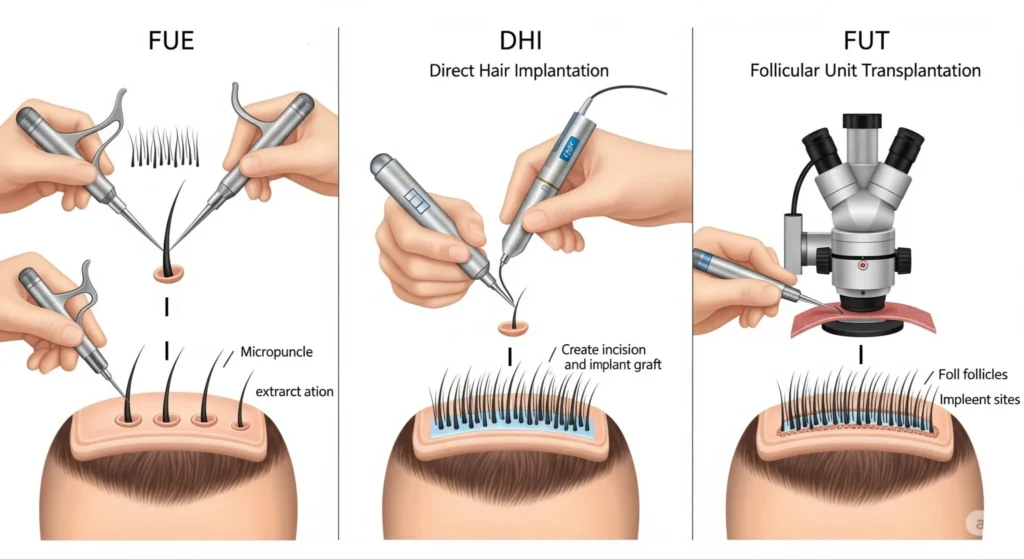
A certified surgeon determines the most suitable approach based on the patient’s condition.
Total Cost Breakdown and What Is Included
The total cost of a hair implant includes more than the procedure itself. Patients should understand what is included in the quoted price.
A clear breakdown helps avoid confusion. It also supports better decision-making before treatment.
Evaluation, Procedure, and Follow-Up
Most clinics include consultation, planning, and the procedure in the total cost. This also covers tools used during the procedure.
Postoperative care is often included. Follow-up visits or remote check-ins help track progress and support success rates.
Travel and Accommodation Costs
International patients often need to consider travel costs. Flights, hotels, and local transport can add to the total.
Hair Transplant Mexico coordinates key parts of the stay in advance to simplify the process. Dr. Antonio Aguilar includes hotel arrangements and private transportation to support patients during their visit.
Travel is coordinated among the hotel, clinic, and airport to provide a consistent, structured experience.
Some clinics help with planning, but these costs are usually separate. It is important to include them in the total budget.

Additional Costs
Patients should ask about medications, aftercare products, and extra sessions. These are not always included in initial quotes.
Clear communication during consultation helps avoid unexpected costs later.
Follow-Up Care and Long-Term Monitoring
Postoperative care plays an important role in results. Clinics may provide follow-up plans to track hair growth and graft survival.
This helps detect any issues early. It also supports better long-term outcomes.
Follow-up can be done in person or remotely. This is especially useful for international patients. Clear communication helps maintain continuity of care.
Considerations for International Patients
International patients often plan travel, timing, and follow-up before hair transplant surgery in Mexico. Many choose cities with strong medical infrastructure and easy access to airports.
Patients may stay a few days after surgery for early recovery and follow-up. This helps monitor healing before returning home.
Planning ahead helps set clear expectations. It also improves the overall treatment experience.
Why Hair Transplant Costs Less in Mexico
The cost of a hair transplant in Mexico is usually lower than in the United States. This is due to differences in the economic and healthcare systems.
Lower cost does not mean lower quality. Many factors influence pricing across regions, and understanding whether a hair transplant is worth it can help patients evaluate long-term value.
Labor and Operating Costs
Medical staff salaries and operating costs are lower in Mexico. This allows clinics to offer lower prices for hair restoration surgery.
These savings are often reflected in the cost per graft.
Differences in Medical Systems
Healthcare systems vary between countries. Mexico offers private care with flexible pricing.
Patients often compare these systems when researching hair transplant procedures.
Is It Safe to Get a Hair Transplant in Mexico?
Yes, a hair transplant in Mexico can be safe when it is performed under proper medical oversight, structured protocols, and direct physician involvement. Patients often review these factors before choosing a location, along with clinic standards and follow-up care, and may explore more details on whether it is safe to get a hair transplant in Mexico.
Hair transplant surgery requires careful planning and clinical evaluation to reduce risks. Safety depends on how the procedure is managed, including donor area handling, graft placement, and postoperative care.
Safety Standards and Patient Care
Clinics differ in how they apply safety standards. Patients often review clinical practices and patient reviews of hair transplants.
Consistent care before and after surgery helps improve safety and outcomes.
Risks, Results, and Long-Term Expectations
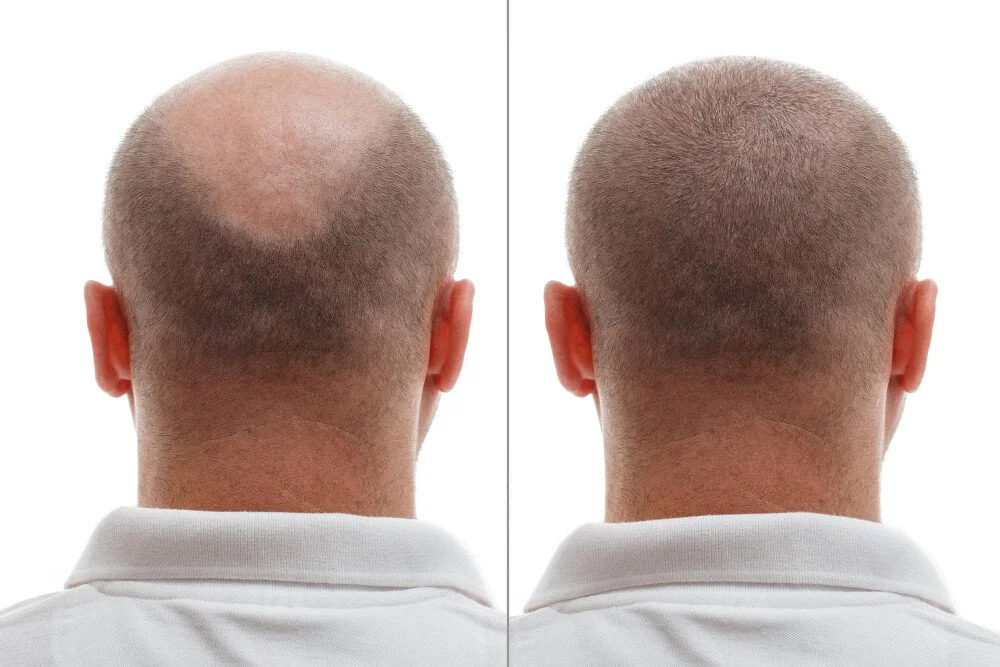
Hair transplant surgery has variable results. Outcomes depend on biology, technique, and postoperative care.
Understanding this helps patients set realistic expectations.
Variability in Outcomes
Not all transplanted hairs grow at the same rate or density. Hair growth depends on graft survival, blood supply, and scalp condition.
Results develop gradually over time. Some areas may grow faster than others, but overall density improves as hair growth progresses.
How Long Results Typically Last
Transplanted hairs are usually permanent if donor areas remain stable. However, natural hair loss may continue.
Some patients may need additional sessions over time.
What to Expect Before Treatment
Preparation is an important part of the process. Patients go through an evaluation to confirm candidacy and expected results. This helps align the procedure with medical needs and goals.
Medical Assessment and Candidacy
A physician reviews scalp health, donor areas, and hair loss patterns. Not all patients qualify for hair restoration surgery.
Factors such as age, density, and medical history are considered.
Setting Realistic Expectations
Patients need to understand the limits of hair transplant procedures. Density and coverage depend on the availability of grafts.
Clear expectations improve satisfaction and decision-making.
Who Is Not a Good Candidate for a Hair Transplant
Not all patients are good candidates. People with limited donor areas or unstable hair loss may not achieve full coverage.
A medical evaluation helps determine if enough grafts can be used safely. Certain conditions or expectations may affect eligibility.
Hair restoration surgery requires long-term planning. A certified surgeon reviews these factors before recommending treatment.
Cost Comparison With Other Countries
Patients often compare countries when researching hair transplant costs in Mexico in 2026. This helps them understand value, safety, and long-term care.
Mexico vs United States
Hair transplant surgery in the United States typically costs between $15,000 and $20,000.
Mexico offers lower pricing with similar techniques, depending on the clinic.
Mexico vs Turkey
Turkey is known for high-volume hair transplant procedures with lower pricing, often ranging from $2,000 to $5,000 depending on the clinic and package. In some settings, this model may involve limited physician involvement and less individualized planning.
If you are considering a hair transplant, a professional evaluation can help clarify your options and expected results. You can schedule a consultation to receive a personalized assessment based on your hair loss pattern and treatment goals.