

Dr. Antonio Aguilar specializes in FUE hair restoration at Hair Transplant Mexico in San Pedro Garza García, Monterrey. His experience in hair transplant procedures dates back to 2009, including training, surgical assistance, and independent practice, with involvement in more than 2,500 procedures.
Key Takeaways
- Bad hair transplant results may include unnatural hairlines, patchy growth, visible scars, and damage to the donor area.
- Poor planning, incorrect graft placement, removing too much donor hair, and healing problems can lead to poor outcomes.
- Hair shedding is normal during early recovery and does not mean the grafts have failed. Final growth may take 12 to 18 months.
- Corrective surgery, graft removal, and scalp micropigmentation may improve some problems. Treatment depends on donor hair, scalp health, and the type of damage.
- Choosing a qualified doctor, reviewing the treatment plan, and following aftercare instructions can lower the risk of problems, but no procedure guarantees success.
What Are the Signs of a Failed Hair Transplant?
A failed hair transplant may cause poor growth, an unnatural hairline, or lasting scalp damage. Some signs appear soon after surgery, while others become clear months later. Knowing what to look for can help you tell normal healing from a possible problem.
Unnatural Hairlines and Poor Hair Density
An unnatural hairline is one of the clearest signs of a poor outcome. The front edge may look too straight, too low, or different from the rest of your hair. Hair that grows at the wrong angle can also look stiff or uneven.
A natural hairline has small changes in shape, thickness, and direction. Surgeons often place single-hair grafts along the front to create a softer edge. Placing large grafts in this area can make the hairline look thick or plug-like.
Low hair density is another common concern. You may notice thin patches, empty spaces, or areas where the new hair does not blend with your natural hair. This can happen when grafts fail to grow or when too few grafts cover the treated area.
Hair density also depends on your natural hair type. Thick, curly hair may create more coverage than fine, straight hair with the same number of grafts. Your hair color, scalp color, and available donor hair can also change how full the result looks.
What Do Good Hair Transplant Results Look Like?
Good hair transplant results should blend with the patient’s natural hair and facial features. A well-designed hairline follows natural growth patterns and considers the patient’s age and future hair loss. The goal is natural-looking coverage without unnecessary damage to the donor area.
Common features of a natural-looking result include:
-
A soft hairline edge that blends with surrounding hair.
-
A hairline position that suits the patient’s age and facial features.
-
Natural angles where the frontal hairline meets the temples.
-
Small variations in hairline shape rather than a perfectly straight edge.
-
Fine, single-hair grafts along the front of the hairline.
-
Hair that grows at angles consistent with surrounding natural hair.
-
Balanced density without excessive donor area thinning.
These features help patients assess the appearance of their hair after recovery. Hair thickness, donor supply, and the extent of hair loss can affect the final outcome. A doctor can determine whether the result is consistent with the original treatment plan.
Source: Revision of the Unfavorable Result in Hair Transplantation.
Published Clinical Example: Unnatural Hairline Repair
In a 2005 medical paper, plastic surgeon Jack Fisher described a patient who had received large plug grafts along the front hairline about 20 years earlier. The surgeon removed the unnatural grafts and used suitable follicles to create smaller grafts. This case shows how repair surgery can improve a poorly designed hairline, although the method depends on the patient’s scalp and previous surgery.
Source: Revision of the Unfavorable Result in Hair Transplantation, Figure 8
What Do Failed Hair Grafts Look Like?
Failed hair grafts do not always have a clear appearance. Each graft contains one or more hair follicles, which are placed under the scalp during surgery. If a follicle does not survive, the area may remain thin or show little new growth after the normal recovery period.
Small scabs and hair shedding are common during early healing. These changes do not mean the grafts have failed because the hair shaft can fall out while the follicle stays alive under the skin. A doctor must consider how much time has passed since surgery before judging hair growth.
Hair that grows in the wrong direction is a different problem. In this case, the follicle may be healthy, but the surgeon placed it at an incorrect angle. Treatment for poor graft placement is different from treatment for grafts that did not survive.
Scarring and Donor Area Damage
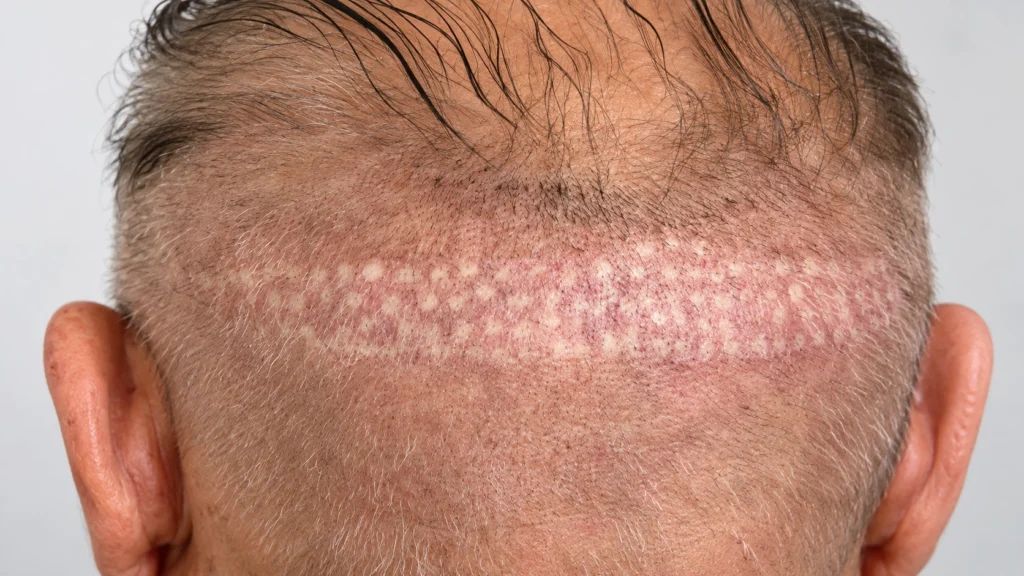
All surgical hair transplant methods leave some scars. Follicular unit excision (FUE) removes individual grafts through small, round cuts that may leave tiny marks. Follicular unit transplantation (FUT), which often involves removing a strip of scalp, usually leaves a long, thin scar.
Scars may become more visible if too many grafts are removed or the skin heals poorly. Taking too much hair from the donor area can cause patchy thinning at the back or sides of the head. This is called overharvesting and can make the donor area look uneven.
Scars can also form where the new hair was placed. Some scars look raised, sunken, or lighter than the surrounding skin. A doctor can examine these changes to determine whether they are part of normal healing or signs of lasting damage.
A 2026 medical review of FUE complications describes problems such as donor hair loss, scarring, skin color changes, and poor wound healing. The review explains that surgical technique and patient health can affect these risks. These findings show why doctors must assess both the treated area and the donor area.
Normal Shedding vs. Failed Hair Growth
Hair shedding is a normal part of recovery after a transplant. Many transplanted hair shafts fall out during the first few weeks as the follicles enter a resting phase. New hair may grow later because the follicles remain under the skin.
Some patients also lose natural hair near the treated area. Doctors call this shock loss, which can happen when surgery affects the hair growth cycle. This shedding is often temporary, but hair affected by ongoing pattern baldness may not fully return.
New hair does not grow right away after surgery. The follicles need time to heal and begin a new growth cycle. Early growth may look thin or uneven before the strands become longer and thicker.
A hair transplant with poor results may be easier to spot when expected growth doesn’t appear, or new hair grows in the wrong direction. Thin areas, lasting gaps, and visible scars may need a medical review. The time since surgery helps doctors decide whether these changes are temporary or likely to last.
When Can You Judge Hair Transplant Results?
Hair growth changes over several months after surgery. The scalp may look thin at three months but show much better coverage by the end of the first year. Growth can also take longer in the crown than in the front hairline.
The table below compares normal recovery changes with signs that may require medical attention.
| Recovery Stage | What Is Normal | When to See a Doctor |
|---|---|---|
| First 2 Weeks | Mild swelling, redness, and scabs that gradually improve. | Severe pain, spreading redness, pus, fever, or dark skin patches. |
| Weeks 2–8 | Temporary shedding and reduced hair density. | Persistent inflammation, painful bumps, or wounds that do not heal. |
| Months 3–4 | Early hair growth with thin or uneven coverage. | Persistent scalp irritation or other unresolved healing problems. |
| Months 5–9 | Gradual improvement in hair growth and density. | Little or no visible growth toward the end of this period. |
| Months 10–12 | More noticeable coverage, with continued growth and thickening. | Large areas without growth, noticeable gaps, or unnatural hair direction. |
| Months 12–18 | Final growth and maturation, particularly in the crown. | Persistent low density, significant scarring, or unsatisfactory coverage. |
These timeframes are general estimates, not fixed deadlines. Your age, health, hair type, and surgical method can affect how quickly new hair grows. Seek prompt medical attention for signs of infection, severe pain, darkening skin, or worsening wounds at any stage of recovery.
Don’t ignore medical problems while waiting for hair growth. Severe pain, worsening redness, or wounds that do not heal need medical attention. Cosmetic concerns often take longer to show before you can judge the final appearance.
What Causes Bad Hair Transplant Results?
Poor outcomes can happen because of mistakes before, during, or after surgery. These problems may affect graft survival, hair direction, density, or scalp healing. Finding the cause helps doctors decide whether treatment can improve the result.
A 2020 medical review by Sahar Nadimi explains that poor planning and surgical errors can lead to complications. The review also stresses the need to assess hair loss patterns and set realistic goals. These findings show why doctors must review the full treatment process instead of focusing on one possible mistake.
Poor Hairline Design and Surgical Planning
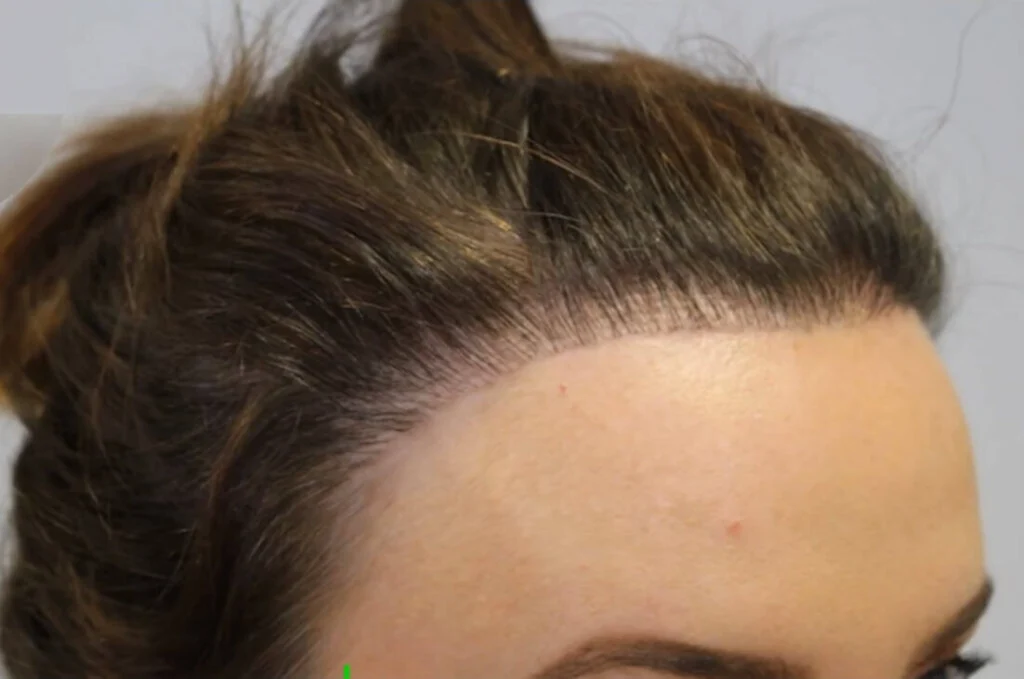
Hairline design plays a major role in how natural a transplant looks. A hairline that is too low or too straight can lead to a hair transplant with bad results, especially as the patient gets older. The surgeon must also plan for hair loss that may happen in untreated areas.
Poor planning can leave a patch of transplanted hair surrounded by thinning natural hair. This is sometimes called an island effect because the new hair remains while nearby hair continues to fall out. Doctors should consider age, family history, and future hair loss when designing the hairline.
The number and location of grafts also matter. Using too many grafts in one area may leave too little donor hair for other areas or future treatment. A good plan considers both current hair loss and possible changes over time.
Incorrect Graft Handling and Placement
Hair follicles are living tissue that must be handled with care. Rough extraction, poor storage, or leaving grafts outside the body under unsuitable conditions can damage them. Surgical teams must protect the follicles from extraction until they are placed in the scalp.
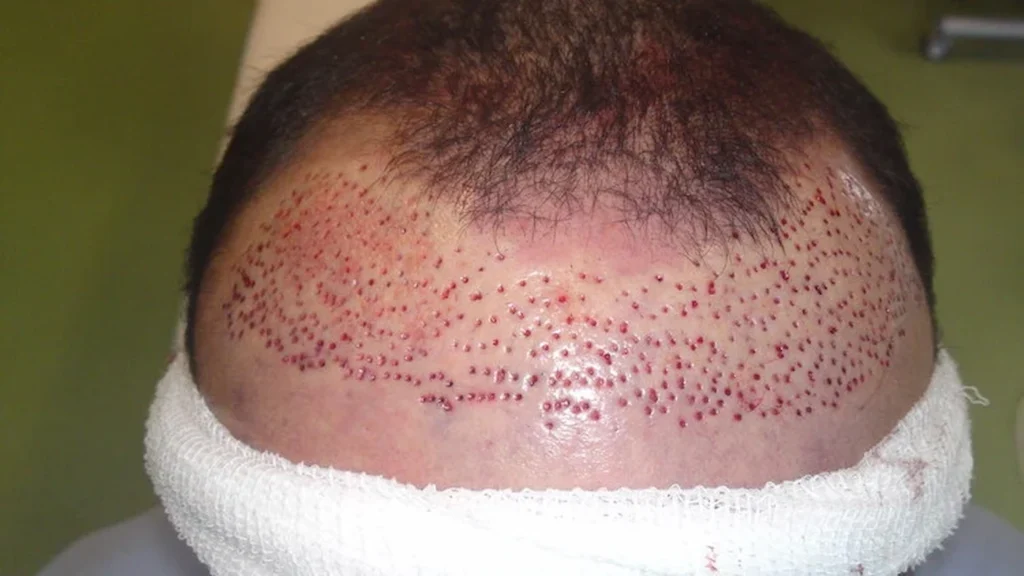
Poor graft placement can also affect the final appearance. Hair may grow upright, point in the wrong direction, or create an uneven pattern. The depth and angle of each graft help determine how natural the new hair looks.
FUE is a method used to remove individual hair grafts from the donor area. Direct hair implantation (DHI) is a placement method that may use a special pen to insert grafts into the scalp. DHI does not replace the extraction step, and neither method guarantees better growth.
An implanter pen helps the surgeon control graft placement during the procedure. Other techniques use small openings made in the scalp before placing grafts with fine tools. Both approaches require correct planning, careful handling, and attention to hair direction.
Donor Overharvesting and Poor Candidate Selection
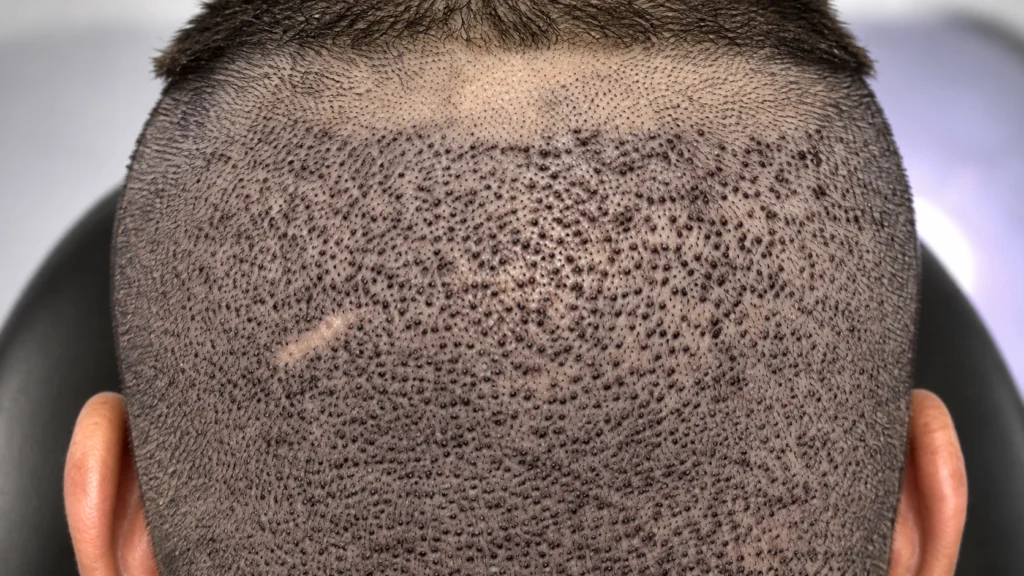
The donor area has a limited number of follicles that can be moved. Removing too many can leave visible thinning and reduce the hair available for future surgery. A high graft count does not always mean a better outcome or a higher hair transplant success rate.
Not every person with hair loss is a good candidate for surgery. Patients with widespread thinning, active scalp disease, or too little donor hair may face a higher risk of poor coverage. Some conditions need medical treatment before a transplant can be considered.
A doctor should examine the scalp, donor hair, and hair-loss pattern before surgery. Medical history, current medication, and past procedures can also affect the treatment plan. This review helps determine whether surgery is suitable and how many grafts may be removed safely.
Aftercare and Healing Problems
Proper aftercare helps the scalp heal and protects new grafts. Scratching, rubbing, or hitting the treated area during early recovery may damage healing tissue. Patients should follow their doctor’s advice about washing, sleeping, exercise, and medication.
Smoking, certain health conditions, and poor wound care may slow healing. Infections and strong inflammation can also affect the skin and hair follicles. These risks do not mean that every poor outcome is caused by mistakes during aftercare.
Follow-up visits help doctors check healing and identify problems early. Patients should know whom to contact if new symptoms appear after surgery. This is especially useful for patients who travel abroad for treatment.
What Happens After a Bad Hair Transplant?
The effects of an unsuccessful procedure depend on the type and extent of the problem. Some patients notice poor hair growth months later, while others develop complications during early healing. Not every unusual change means the surgery has failed.
Common Hair Transplant Side Effects
Redness, swelling, scabs, itching, and mild pain are common after surgery. Some patients also feel numbness or changes in scalp sensation. These effects often improve as the skin heals, although recovery times vary.
Small bumps or inflamed hair follicles may appear when new hair starts to grow. This may be a mild condition called folliculitis, but some cases need treatment. Patients should avoid squeezing bumps or applying products that their doctor has not approved.
Temporary hair shedding can also make the treated area look thinner. This may happen before new hair begins to grow. Symptoms that become worse or last longer than expected should be checked by a doctor.
Infections and Other Serious Complications
Infection is an uncommon but possible risk after hair transplantation. Signs may include worsening redness, swelling, warmth, pain, or fluid draining from the scalp. Without treatment, an infection may damage the skin and affect healing.
Scalp necrosis is a rare problem that happens when tissue loses its blood supply and dies. It may cause dark patches, painful wounds, or skin that does not heal. This problem needs urgent medical care because the damage may be permanent.
Other possible problems include heavy bleeding, slow wound healing, and unusual scars. The risk depends on the patient’s health and the details of the procedure. A medical exam can help identify the cause and guide treatment.
A 2026 review published in Frontiers in Medicine describes complications that can affect the donor area and the area receiving grafts. These include inflammation, scarring, donor hair loss, and skin tissue damage. The authors stress careful surgical planning, patient selection, and follow-up care to help lower these risks.
When to Seek Medical Attention
Contact a doctor if symptoms become worse instead of improving. Fever, spreading redness, severe pain, pus, or wounds that do not heal may be signs of infection. Dark skin patches or worsening wounds need urgent medical care.
Heavy bleeding that does not stop after following your surgical team’s instructions also needs urgent care. Chest pain, trouble breathing, or a severe allergic reaction requires emergency treatment. These symptoms should not be managed through online advice alone.
Cosmetic problems usually need a different type of review. A doctor may compare scalp photos, examine hair growth, and check the donor area. This can help determine whether the hair is still developing or whether corrective treatment may be needed.
Can Bad Hair Transplant Results Be Fixed?
Some poor outcomes can improve with another procedure or nonsurgical treatment. The right option depends on the problem, scalp health, and how much donor hair is left. Complete repair is not always possible, especially when the first surgery caused major damage.
Hair transplant repair costs depend on the extent of the damage, the number of grafts needed, and the type of corrective treatment. Repair surgery may require different techniques than a first-time procedure. A medical evaluation is necessary to determine the treatment plan and its associated costs.
Corrective Surgery and Hairline Repair
Corrective surgery may improve poor density, unnatural hairlines, or hair growing in the wrong direction. A surgeon may place new grafts between existing hairs to create a softer hairline. Additional grafts may also help cover thin or uneven areas.
Some patients need poorly placed grafts removed. The surgeon may remove large grafts or follicles that grow at unnatural angles and reuse suitable hair when possible. The treatment depends on the condition of the grafts and the risk of leaving more scars.
Previous surgery can make repair more difficult. Scar tissue and changes to the skin may affect where new grafts can grow. The surgeon may suggest a smaller correction rather than a large new procedure.
Doctors often recommend waiting until the scalp has healed and the hair has had enough time to grow. The right waiting period depends on the problem and the original surgery. Any infection or active scalp condition should be treated before another planned procedure.
Published Clinical Example: Low-Density Hair Transplant Repair
The International Society of Hair Restoration Surgery describes a patient who had poor hair density after an earlier procedure. The published case includes photos showing the area before and after another transplant to improve coverage. It shows how a second procedure may help when enough healthy donor hair remains, although outcomes vary by patient.
Source: ISHRS: Revision and Repair of Bad Hair Transplants
Scar Treatment and Scalp Micropigmentation
Some scars can improve with surgery or nonsurgical treatment. A surgeon may place hair grafts into healed scar tissue to help cover the affected area. Hair may grow less reliably in scars because the tissue can have a weaker blood supply.
Scalp micropigmentation places small dots of pigment into the skin to make thin areas look fuller. It may also help hide donor-area scars by reducing the contrast between the scalp and surrounding hair. This treatment does not create new hair or repair damaged follicles.
Other options may include laser treatment, scar surgery, or medicine for raised scars. The right approach depends on the scar’s size, location, and condition. Some treatments can also cause skin color changes or additional scarring.
Donor Hair Assessment and Repair Limitations
The amount of healthy donor hair left is a major factor in repair surgery. The doctor must assess hair density, previous extraction sites, and scalp health. A donor area that has already lost too much hair may not support another procedure.
When FUE removes a follicle, that same follicle does not grow back in its original donor site. Nearby hair may hide the small extraction marks, but further harvesting can make thinning more visible. This is why protecting the donor area matters during the first procedure.
Patients with severe donor hair loss may have few options for another transplant. In selected cases, doctors may consider hair from the beard or other parts of the body. This hair may grow differently from scalp hair and may not suit every patient.
Repair surgery also has limits. Another procedure may improve coverage without bringing back the patient’s original hair density. Some patients may benefit more from a smaller repair, scalp micropigmentation, or medical treatment.
The ISHRS guidance on hair transplant repair explains that surgeons may remove poorly placed grafts, add new hair, or use more than one repair method. It also highlights the limits created by a lack of donor hair. A full assessment helps doctors decide what can be improved safely.
Can You Have a Second Hair Transplant?
A second hair transplant may be possible if enough healthy donor hair remains. Doctors also check whether the first surgery has healed and whether hair loss is still progressing. Having one transplant does not mean another is always possible or always needed. The number of hair transplants you need depends on your hair loss, donor supply, treatment goals, and how your hair changes over time.
A second procedure may improve thin areas, repair an unnatural hairline, or treat new hair loss. The doctor must first determine whether the problem comes from the original surgery or from ongoing natural thinning. New grafts cannot stop untreated hair from falling out in the future.
The waiting period depends on healing and the reason for the repair. Doctors often wait around 12 months or longer before planning major cosmetic corrections. Medical problems or serious scars may require a different treatment plan.
Some patients may not benefit from another surgery. Medication may help slow ongoing hair loss or protect existing hair, depending on the diagnosis. A doctor should explain the possible benefits, risks, and limits of each option.
How Can You Prevent Poor Hair Transplant Results?
Good planning and proper medical care can lower the risk of poor outcomes. Patients should know who will perform the surgery, how donor hair will be protected, and what recovery involves. No surgeon or technique can guarantee a specific result.
Surgeon Qualifications and Medical Oversight
Hair transplantation is a medical procedure that involves cutting the skin and moving living tissue. A qualified doctor should assess the patient, plan the surgery, and oversee the medical care. Other team members must work within the rules that apply to their medical licenses and roles.
The International Society of Hair Restoration Surgery states that donor hair removal and creating sites for new grafts are surgical tasks. These procedures require qualified medical professionals who meet local licensing rules. The organization also stresses the doctor’s role in diagnosis, planning, and follow-up care.
Patients often compare treatment in Mexico, Turkey, the United States, and other countries. Prices, medical rules, travel needs, and access to follow-up care can vary. A country’s location alone does not determine the quality or safety of a hair transplant.
Medical oversight can also differ between clinics in the same country. High-volume clinics may treat many patients each day, so patients should ask how involved the doctor will be in each procedure. It is useful to know who will remove the grafts, create the recipient sites, and supervise the surgery.
Traveling for treatment also requires planning for recovery. Patients may need medical care after returning home, especially if complications develop. Clear instructions, medical records, and access to follow-up support can help patients manage their recovery.
Patient Evaluation and Realistic Expectations
A medical exam should identify the cause of hair loss before surgery. The doctor checks the scalp, donor hair, hair thickness, and areas needing treatment. Some patients may need medicine or further testing before surgery is considered.
An international expert consensus statement published in 2023 supports careful patient selection and medical assessment before hair transplantation. It also provides guidance on preparing for surgery and managing recovery. These recommendations support treatment plans based on each patient’s health and hair loss pattern.
Patients should review before-and-after photos of people with similar hair types and treatment needs. Photos are more useful when they show clear dates, similar lighting, and the same camera angles. They can help explain possible outcomes, but they cannot predict exactly how another person’s hair will grow.
The treatment plan should explain where grafts will be placed, how much coverage is possible, and what risks are involved. Patients should also understand that new hair may not match their original density. Clear medical consent includes a discussion of expected benefits, limits, and possible problems.
Long-term planning matters because natural hair loss can continue after surgery. Transplanted hair may remain while nearby untreated hair becomes thinner. If you notice hair falling out two years after a transplant, a doctor can help determine whether the shedding affects transplanted follicles or your existing hair. Medical follow-up and treatment, when appropriate, can help patients manage these changes over time.
If you are concerned about your hair transplant results, a medical evaluation can help identify the cause and possible treatment options. Schedule your free consultation with Dr. Antonio Aguilar at Hair Transplant Mexico to discuss your concerns and learn what options may be suitable for you.
Medical References
- Fisher J. Revision of the Unfavorable Result in Hair Transplantation. Seminars in Plastic Surgery. 2005;19(2):167–178. doi:10.1055/s-2005-871733.
- Nadimi S. Complications with Hair Transplantation. Facial Plastic Surgery Clinics of North America. 2020;28(2):225–235. doi:10.1016/j.fsc.2020.01.003.
- Vañó-Galván S, et al. An International Expert Consensus Statement Focusing on Pre and Post Hair Transplantation Care. Journal of Dermatological Treatment. 2023. doi:10.1080/09546634.2023.2232065.
- Romera de Blas C, et al. Complications in Follicular Unit Excision Hair Transplantation: Current Evidence and Practical Approaches. Frontiers in Medicine. 2026;13:1750989. doi:10.3389/fmed.2026.1750989.
- International Society of Hair Restoration Surgery. Revision and Repair of Bad Hair Transplants.
- International Society of Hair Restoration Surgery. Position Statement on Qualifications for Scalp Surgery.