

Over time, transplanted hair may become finer or turn gray, while surrounding natural hair may continue thinning. Medical treatments can help some patients preserve their existing hair. Dr. Antonio Aguilar, founder of Hair Transplant Mexico in San Pedro Garza García, Monterrey, specializes in FUE hair restoration, where long-term planning considers how hair loss may progress over the next 10 or 20 years.
Key Takeaways
- Hair transplants can last for decades, but results are not guaranteed to remain the same for life.
- Transplanted follicles often resist DHT, a hormone linked to pattern baldness. This helps them keep growing in their new location.
- Temporary shedding is common in the first few weeks. New growth often starts after 3–4 months, with results improving over 12–18 months.
- Aging and ongoing hair loss can reduce overall density after 5, 10, or 20 years, even when transplanted follicles remain healthy.
- Treatments such as minoxidil or finasteride may help protect natural hair. Some patients may need another procedure as hair loss continues.
Are Hair Transplant Results Permanent?
Hair restoration surgery moves healthy follicles from one part of the scalp to areas with thinning or no hair. These follicles often keep growing for many years because they retain traits from their original location. Still, age, health conditions, and future hair loss can change the results.
The procedure does not stop baldness in untreated areas. Patients may keep their transplanted follicles while losing nearby natural hair. This can reduce overall coverage, even when the original grafts remain healthy.
A 2021 four-year follow-up study examined 112 men who underwent follicular unit transplantation (FUT). Researchers observed some reduction in visible transplanted-area density in approximately 91% of participants compared with their first-year results, including a moderate reduction of 55.35%.
The study relied on photographs rather than direct follicle counts. These findings highlight that long-term density can change, but they do not establish a universal rate of graft loss or predict outcomes after FUE or DHI.
Why Can Transplanted Hair Survive for Decades?
The lifespan of transplanted follicles depends on their natural traits. Surgeons often take grafts from scalp areas that are less likely to lose hair. These follicles tend to keep their resistance to certain hormones after being moved.
Donor Hair and DHT Resistance
The donor area is usually at the back or sides of the scalp. Follicles in these areas are often less sensitive to DHT, a hormone linked to androgenetic alopecia (pattern baldness). DHT can cause sensitive follicles to shrink and produce thinner strands over time.
Transplanted follicles usually retain their original response to DHT, a principle known as donor dominance. First described by Dr. Norman Orentreich in a 1959 study, this principle explains why follicles from stable donor areas can continue growing after being moved into bald areas. Their resistance is not absolute, and aging or certain medical conditions can still affect their growth.
Does FUE or DHI Affect Longevity?
Follicular unit extraction (FUE) removes individual groups of follicles from the donor area. Direct hair implantation (DHI) typically combines FUE harvesting with an implantation method that uses a Choi pen or a similar tool. Both approaches aim to preserve healthy follicles during the procedure.
An implanter pen helps place hair grafts into the recipient area while allowing the surgeon to control their depth, angle, and direction. Using this tool does not guarantee better graft survival. Donor hair quality, proper graft handling, and medical oversight remain key factors in long-term results.
Can Transplanted Hair Fall Out?
Yes, transplanted hair can fall out temporarily during the first few weeks after surgery without affecting follicle survival. New hair growth often begins around three to four months. Permanent loss may occur if grafts fail to survive or if aging, disease, or poor donor hair quality affects their ability to grow.
Continued thinning of nearby natural hair can also make the original results appear less dense. This does not necessarily mean the transplanted follicles have failed. Patients who notice unexpected bald patches, persistent pain, redness, or drainage should seek medical evaluation.
Temporary Shedding After Surgery
During the first few weeks after a hair transplant, many new strands begin to shed. This is a normal response to surgery and changes in the hair growth cycle. Nearby natural hair may also shed for a short time, a condition often called shock loss.
Most healthy follicles remain under the skin and begin growing again. New strands often appear after three to four months. Hair thickness and coverage then improve over time, with results often taking 12–18 months to fully develop.
Permanent Hair Loss and Graft Failure
Graft failure happens when transplanted follicles do not survive or can no longer grow hair. Possible causes include damage during surgery, poor blood flow, infection, scarring, or weak donor follicles. Even with proper care, some grafts may not survive.
Patients may also confuse new bald spots with graft failure. In some cases, the transplanted follicles remain healthy while nearby natural hair continues to thin. A doctor can help identify the cause, especially if hair loss appears months or years later.
Ongoing pain, swelling, redness, drainage, or unusual bald patches should be checked by a physician. Early care can help address possible scalp problems before they become more serious.
What Affects Hair Transplant Longevity?
Several factors affect how long results remain visible. The most important include donor hair quality, surgical care, genetics, and hair loss progression. A doctor must review these factors before estimating the likely long-term outcome.
Donor Hair Quality and Surgical Technique
Healthy donor follicles play a major role in long-term results. Before surgery, doctors check donor density, strand thickness, scalp health, and signs of thinning. Patients with weak or limited donor hair may not be good candidates for the procedure.
Diffuse unpatterned alopecia (DUPA) can cause thinning throughout the scalp, including the donor area. Active scarring alopecia and alopecia areata can also affect follicle survival and make surgery unsuitable. Patients with these conditions need a medical assessment before considering hair restoration, and selected cases may require disease control before surgery can be considered.
The way surgeons handle grafts also affects their survival. Several factors can influence hair transplant success, including donor quality and surgical technique. Proper removal, storage, and placement help protect follicles during hair transplant surgery. Removing too many grafts can leave the donor area thin and reduce options for future treatment.
Medical oversight plays an important role in graft survival and long-term results. Patients should ask who performs each stage of the procedure, how the medical team handles complications, and what follow-up care is available. A clear treatment plan also helps patients understand their donor hair limits and future treatment needs.
Genetics, Aging, and Male-Pattern Baldness
Genetics play a major role in how hair loss develops over time. Men with androgenetic alopecia may continue losing natural hair around the front, middle, or crown of the scalp. Transplanted follicles may stay healthy while the nearby strands become thinner.
Age can also affect strand thickness and growth patterns. Some patients keep good coverage for decades, while others notice more thinning. A doctor can assess these changes and suggest ways to manage future hair loss.
For example, a 24-year-old patient may have a receding hairline while the rest of the scalp still appears full. If hair loss progression continues, bald areas may develop behind the transplanted hairline over the next 10 or 20 years. Planning for future thinning and preserving enough donor follicles can help reduce the risk of an unbalanced appearance later in life.
How Long Do Hair Transplant Results Last?
Transplanted follicles can continue growing for decades, but there is no fixed lifespan for every graft. Understanding how long hair transplants last helps patients set realistic expectations. Long-term results depend on donor follicle stability, aging, and continued thinning of surrounding natural hair.
Results After 1, 5, 10, and 20 Years
Transplanted and natural hair can change at different rates over time. The following table shows possible outcomes, not guaranteed results.
| Timepoint | Transplanted Hair | Native Hair | What to Do |
|---|---|---|---|
| 1 year | Much of the final growth is visible. The crown may still be developing. | Existing hair may remain stable or continue thinning. | Attend follow-up appointments and assess growth. |
| 5 years | Grafts may continue growing, although density can change. | Thinning or recession may become more noticeable. | Review ongoing hair loss with your doctor. |
| 10 years | Follicles may remain healthy, but strands can become finer. | Pattern baldness may affect untreated areas. | Assess overall coverage and treatment needs. |
| 20 years | Surviving follicles may still grow hair, with possible changes in thickness and color. | Continued hair loss may create new bald areas. | Review donor availability and future treatment options. |
The frontal hairline often shows much of its final growth around 12 months after surgery. The crown may take up to 18 months to develop fuller coverage, and some patients may need longer. These differences in growth timing do not necessarily indicate poor graft survival.
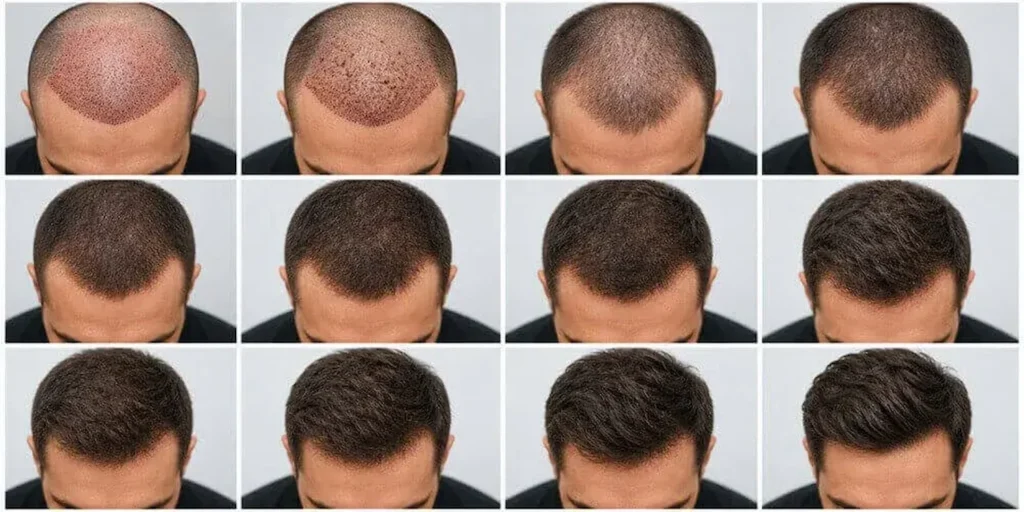
A result that looks full after one year may look different if nearby hair continues to fall out. This is why doctors consider future hair loss when planning the hairline.
What Happens 20 Years After a Hair Transplant?
After 20 years, many surviving transplanted follicles may still produce hair. Their condition depends on genetics, age, donor quality, and overall scalp health. Some patients keep good coverage, while others notice new gaps as surrounding natural hair becomes thinner.
Transplanted follicles retain many of the traits of their original donor area, including their tendency to turn gray and become finer with age. They continue to undergo natural biological aging after being moved to a new location.
These changes do not necessarily mean the original grafts have failed. A reduction in density may result from aging follicles, ongoing native hair loss, or other scalp conditions. A doctor can assess these changes and review whether further treatment is suitable.
How to Maintain Hair Transplant Results
Long-term care focuses on protecting existing hair and managing future loss. Surgery moves follicles to new areas, but it does not stop the natural causes of baldness. Patients may need medical care or follow-up visits to maintain a balanced appearance.
Medical Treatments and Long-Term Care
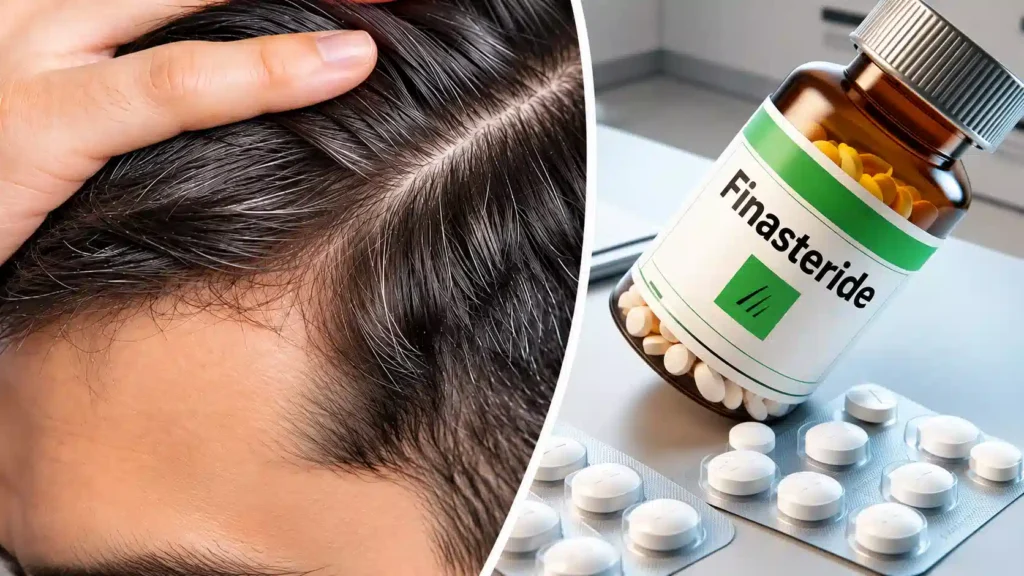
Doctors may suggest minoxidil or finasteride for some patients with pattern baldness. These medicines can help slow hair loss and protect natural strands that remain at risk. Results vary, and patients should discuss side effects and treatment options with their doctor.
Platelet-rich plasma, also called PRP therapy, is another treatment used for some types of thinning. It involves injecting a prepared part of the patient’s blood into the scalp. A 2024 systematic review and meta-analysis found that PRP may improve hair density in patients with androgenetic alopecia, although the quality of the evidence was low and results varied across studies.
These findings suggest that PRP may help selected patients manage pattern hair loss. They do not establish that PRP extends the lifespan of transplanted follicles. A physician should assess whether this treatment is suitable for each patient.
Follow-up visits help doctors check scalp health, hair density, and new signs of thinning. During early recovery, washing hair after a hair transplant also requires following the surgeon’s instructions to protect healing grafts. Patients who travel abroad for surgery should have a clear plan for remote follow-up and local medical care. This makes it easier to address problems and track changes over time.
When Is Another Hair Transplant Necessary?
Some patients may consider a second procedure if new bald areas develop or their original results no longer provide enough coverage. Others may want to improve density or correct an earlier procedure. A second surgery is not always needed, even after many years.
Before recommending more treatment, a doctor checks the scalp, remaining donor follicles, and future risk of baldness. Previous surgery may have reduced the number of grafts available for another procedure. In some cases, medication or regular monitoring may be a better option.
Transplanted follicles can keep growing for decades, but overall hair coverage may change with age. Understanding donor limits, future hair loss, and the role of medical care helps patients set realistic expectations for their long-term results.
Frequently Asked Questions
Does Transplanted Hair Turn Gray?
Yes, transplanted hair can turn gray as you age. The follicles retain many of their original genetic traits, including those that affect hair color. Surgery does not prevent natural changes in pigmentation.
Can I Stop Finasteride After a Hair Transplant?
Stopping finasteride may allow pattern baldness to progress in susceptible follicles, particularly in untreated areas. Not every patient needs this medication after surgery. Discuss any treatment changes with your doctor before stopping.
Will I Need a Second Hair Transplant?
Not necessarily. A second procedure may be considered if ongoing hair loss reduces overall coverage or creates new bald areas. The decision depends on your remaining donor follicles, scalp health, and treatment goals.
Can Transplanted Hair Become Thinner With Age?
Yes, transplanted follicles can produce finer strands as part of the natural aging process. Some may also lose density over time. Thinning does not always indicate surgical failure, but unexpected changes should be assessed by a doctor.
If you’re considering a hair transplant, schedule your free consultation with Hair Transplant Mexico in Monterrey. Dr. Antonio Aguilar can assess your hair loss, donor area, and treatment options to help you understand what results to expect.
Clinical References
- Orentreich N. Autografts in Alopecias and Other Selected Dermatological Conditions. Annals of the New York Academy of Sciences. 1959;83:463–479. Describes the principle of donor dominance in hair transplantation.
- Longevity of Hair Follicles After Follicular Unit Transplant Surgery. Journal of Cutaneous and Aesthetic Surgery. 2021. A four-year follow-up study examining changes in transplanted hair density among 112 patients.
- Kieling L, et al. Is Autologous Platelet-Rich Plasma Capable of Increasing Hair Density in Patients With Androgenic Alopecia? A Systematic Review and Meta-Analysis of Randomized Clinical Trials. Anais Brasileiros de Dermatologia. 2024. Evaluates clinical evidence on PRP therapy and hair density in patients with androgenetic alopecia.