

In the long term, transplanted follicles from the back and sides of the head are more resistant to DHT, a hormone linked to pattern baldness. Still, surrounding natural hair can continue thinning, and some transplanted follicles may lose density over time.
At Hair Transplant Mexico, located in San Pedro Garza García, Monterrey, Dr. Antonio Aguilar specializes in FUE hair restoration. He has participated in more than 2,500 hair transplant procedures since 2009, including during his medical training, as a surgical assistant, and in independent practice. He evaluates donor hair quality and future hair loss before treatment.
Key Takeaways
- Temporary shedding is normal. Transplanted hair often falls out within 2–8 weeks after surgery, but healthy follicles remain beneath the scalp.
- New growth takes time. Hair usually starts growing within 3–6 months, while results may continue improving for 12–18 months.
- Permanent hair loss can happen. Damaged follicles, poor graft survival, or ongoing hair loss can affect the final density.
- Hair can thin years later. Male pattern baldness may continue to affect surrounding native hair, even when transplanted follicles remain healthy.
- Aftercare and follow-up matter. Proper scalp care and regular checkups help detect problems and support long-term results.
Can Transplanted Hair Fall Out Permanently?
Yes, permanent hair loss can happen if transplanted follicles become damaged or fail to survive. During normal recovery, however, only the visible hair shafts may shed. The hair follicle stays beneath the skin and can grow new strands.
Most transplanted follicles keep the traits of their donor area, making them more resistant to pattern baldness. Still, their survival depends on proper handling, blood supply, scalp health, and healing. A successful transplant also cannot stop future thinning of nearby natural hair.
Why Does Transplanted Hair Fall Out?
Hair falling out after a hair transplant usually happens because surgery briefly changes the normal hair growth cycle. In some cases, follicle damage can also cause permanent loss.
Temporary Shedding and Shock Loss
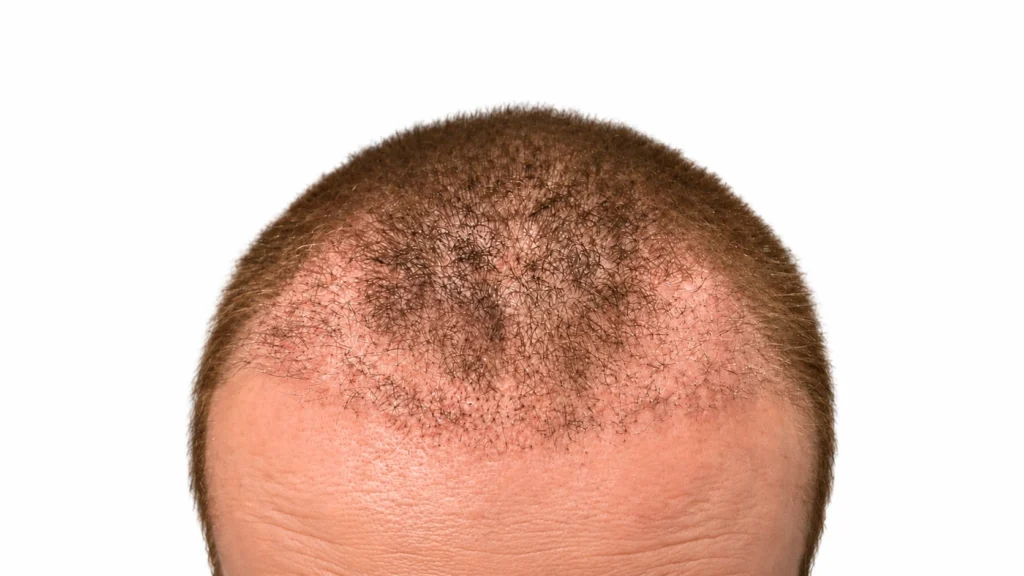
After surgery, some follicles stop growing hair for a short time and enter the telogen (resting) phase. The visible strands then shed before new growth begins. Healthy transplanted follicles usually remain in place during this process.
Shock loss refers to temporary shedding of existing hair near the treated or donor area. Surgical stress, swelling, and changes in blood flow can trigger this response. Most affected hair grows back, but weak or thinning native hair may not return to its former thickness. Understanding hair loss after a hair transplant can help explain these changes.
Shedding vs. Losing a Graft: How to Tell
Normal shedding occurs when hair shafts fall out while healthy follicles remain beneath the scalp. Losing a graft means that the transplanted follicular tissue has become dislodged. This is more likely during the first few days after surgery, before grafts become firmly attached.
| Normal Shedding | Possible Graft Loss |
|---|---|
| Usually occurs within 2–8 weeks. | Most likely during the first few days. |
| A hair shaft may fall out with a small white bulb. | A hair may come out with attached follicular tissue. |
| Usually does not cause fresh bleeding. | May cause fresh bleeding at the graft site. |
| Healthy follicles can produce new hair. | A fully dislodged graft may not survive. |
The appearance of a shed hair alone cannot confirm graft loss. If you notice fresh bleeding or tissue coming away from the scalp, contact your surgeon. Avoid pulling hairs or scabs to test whether the grafts are secure.
Graft Failure and Permanent Hair Loss
Graft failure happens when transplanted follicles do not survive or cannot grow new strands. Poor blood supply, infection, tissue damage, or improper graft handling can increase this risk. Unlike normal shedding, permanent follicle damage prevents new growth.
The hair transplant procedure requires careful planning and medical care. FUE removes individual hair follicles, while DHI uses special pens to place them into the scalp. Neither method guarantees success, and physician oversight plays an important role in patient safety. The hair transplant success rate also depends on factors such as graft survival and patient health.
Risk Factors for Poor Graft Survival
Several factors can increase the risk of poor graft survival, temporary shedding, or future thinning. A medical evaluation before surgery helps identify these risks and guide treatment planning.
-
Smoking: Tobacco use can reduce blood flow and affect healing.
-
Health conditions and medications: Poorly controlled diabetes can affect healing, while blood thinners may increase bleeding risks. Tell your doctor about all medications you take.
-
Hair miniaturization: Weak or thinning native hair near the treated area may be more likely to shed and may not fully recover.
-
Unstable hair loss: Surgery performed too early can leave visible gaps as surrounding hair continues thinning.
-
Graft handling and placement: Excessive time outside the body, poor handling, or overly dense placement can affect follicle survival.
When Does Transplanted Hair Grow Back?
New hair growth usually starts within 3–6 months after surgery. Early strands may look thin or uneven because follicles grow at different speeds. The following timeline shows what you may experience during recovery.
| Timeframe | What Happens | What You May See |
|---|---|---|
| Weeks 1–2 | Grafts settle, and the scalp heals. | Short stubble, mild redness, and small scabs. |
| Weeks 2–8 | Temporary shedding begins. | Hair shafts fall out while healthy follicles remain beneath the scalp. |
| Months 2–3 | Follicles enter or remain in a resting phase. | The treated area may look similar to how it did before surgery. |
| Months 3–6 | New growth begins. | Fine, thin hairs start to appear. |
| Months 6–12 | Hair continues growing and thickening. | Improved coverage and density. |
| Months 12–18 | Results continue to mature. | A clearer view of the final density, especially in the crown. |
Can Transplanted Hair Fall Out Years Later?
Yes, transplanted hair can fall out again after one, two, three, or even five years. Normal shedding continues throughout life, but steady thinning may point to another problem. Hair loss around the treated area can also make the transplant look less dense.
During the first year, uneven coverage may be part of normal recovery. After two years, new thinning is less likely to result from post-transplant shedding. A doctor can check whether the loss affects transplanted follicles or surrounding hair.
Hair loss three years after surgery may result from ongoing male pattern baldness, especially behind the new hairline. Similar changes after five years may involve genetics, aging, scalp disease, or less resistant donor follicles. These changes do not always mean the original grafts have failed.
Long-term results depend on donor hair quality, future hair loss, and scalp health. A medical exam can help identify the cause of thinning and whether treatment is needed.
Does Transplanted Hair Last Without Finasteride?
Yes, transplanted hair can survive without finasteride, especially when follicles come from areas that resist pattern baldness. Finasteride lowers DHT levels, which helps slow hair loss in men with androgenetic alopecia. Its main purpose is to protect hair affected by this condition, not to guarantee graft survival.
Minoxidil works differently and can help support hair growth. Depending on the treatment, these medicines may be used topically or orally. Neither medicine prevents every type of hair loss.
Finasteride can cause sexual side effects, and some patients have reported mood changes. A doctor can explain the risks, benefits, and treatment options based on each patient’s health. Medication is not required for every transplant patient.
How to Protect Your Transplanted Hair
Good post-operative care helps protect healing follicles and reduce the risk of complications. Patients should follow their surgeon’s instructions for washing, exercise, and scalp care. Preparing the things you need after a hair transplant, such as mild shampoo and clean pillowcases, can make daily care easier. These steps support recovery but cannot prevent all future hair loss.
Practical steps include:
- Avoid scratching or picking: Let scabs fall off naturally without pulling at healing grafts.
- Wash gently: Follow the recommended guide for washing hair after a hair transplant, using approved shampoo and avoiding strong water pressure during early recovery.
- Attend follow-up visits: Check hair growth, scalp health, and changes in density.
- Watch for warning signs: Contact your doctor if you develop worsening pain, spreading redness, pus, fever, or unusual hair loss.
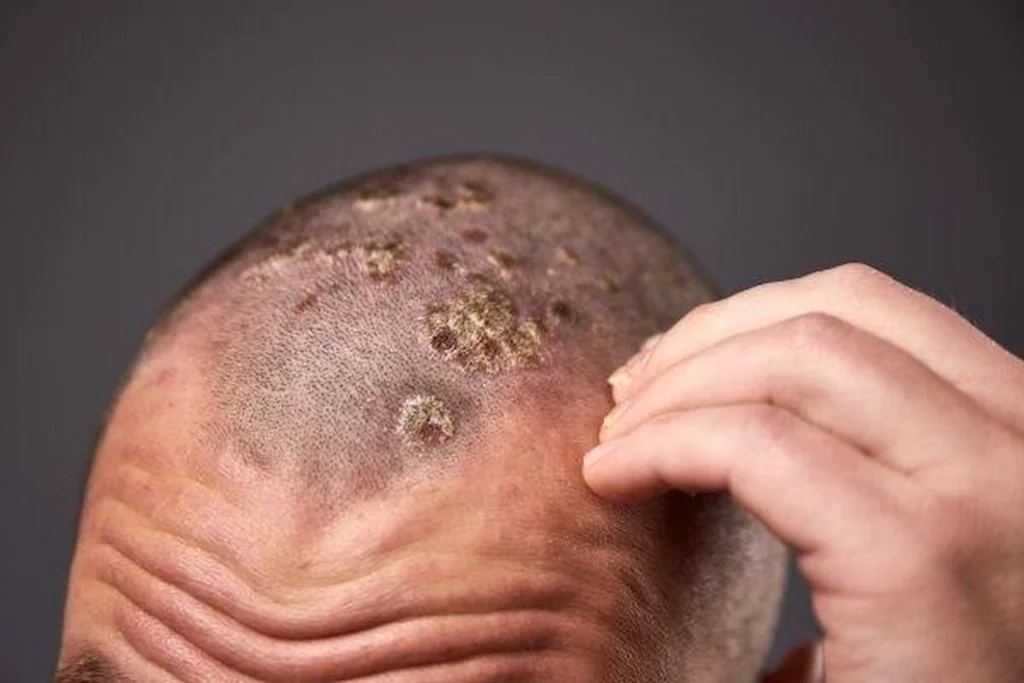
Before surgery, a doctor should check donor density, scalp health, and the pattern of hair loss. This assessment helps determine whether a patient is a suitable candidate and how much coverage may be possible. A transplant moves existing follicles to another area but does not create new ones.
Performing a hair transplant before hair loss stabilizes can leave visible gaps as surrounding native hair continues thinning. This may occur behind the new hairline or around the crown, even when transplanted follicles remain healthy. Careful donor area planning helps preserve a limited supply of follicles for possible future procedures.
Regular follow-up visits help doctors check healing, track growth, and spot problems early. Unexpected hair loss may require a scalp exam or further tests to find the cause. Even with proper care, results vary, and no procedure can guarantee permanent hair density.
Frequently Asked Questions
Can I Pull Out a Graft by Washing?
Grafts are more vulnerable during the first few days after surgery. Rubbing, scratching, or pulling attached scabs can dislodge them during this period. Gentle washing according to your surgeon’s instructions helps protect healing follicles.
Will I Need a Second Hair Transplant?
Not everyone needs a second procedure. Continued native hair loss, limited initial coverage, or a desire for greater density may lead some patients to consider another transplant. A doctor should assess the final results and remaining donor hair before planning another procedure.
Does a White Bulb Mean I Lost a Graft?
No, a small white bulb attached to a shed hair does not necessarily mean you lost the entire follicle. It may be part of a naturally shed hair or tissue attached to the strand. Contact your doctor if you notice fresh bleeding or suspect that a graft has become dislodged.
Can Stress Cause Transplanted Hair to Shed?
Physical or emotional stress can trigger temporary hair shedding in some people. Surgery, illness, and other health changes may also affect the normal hair growth cycle. Persistent thinning should be evaluated to identify its cause.
If you have concerns about hair loss after a transplant, a medical evaluation can help identify the cause of thinning and determine the next steps for your hair restoration. Schedule your free consultation with Dr. Antonio Aguilar at Hair Transplant Mexico.
Clinical References
1. American Academy of Dermatology. A Hair Transplant Can Give You Permanent, Natural-Looking Results. Explains shedding after surgery, expected results, and future hair loss.
2. Goldin J, Zito PM, Raggio BS. Hair Transplantation. StatPearls, NCBI Bookshelf. Covers patient evaluation, surgical methods, risks, and recovery.
3. Complications in Follicular Unit Excision Hair Transplantation: Current Evidence and Practical Approaches. Reviews shock loss, possible complications, and patient follow-up.
4. DailyMed. Finasteride Prescribing Information. Provides information about finasteride, its uses, and possible side effects.
5. Bernstein RM, Rassman WR. Graft Anchoring in Hair Transplantation. Dermatologic Surgery. 2006;32(2):198–204. Examines how grafts become anchored after surgery and the risk of graft dislodgment during early recovery.