
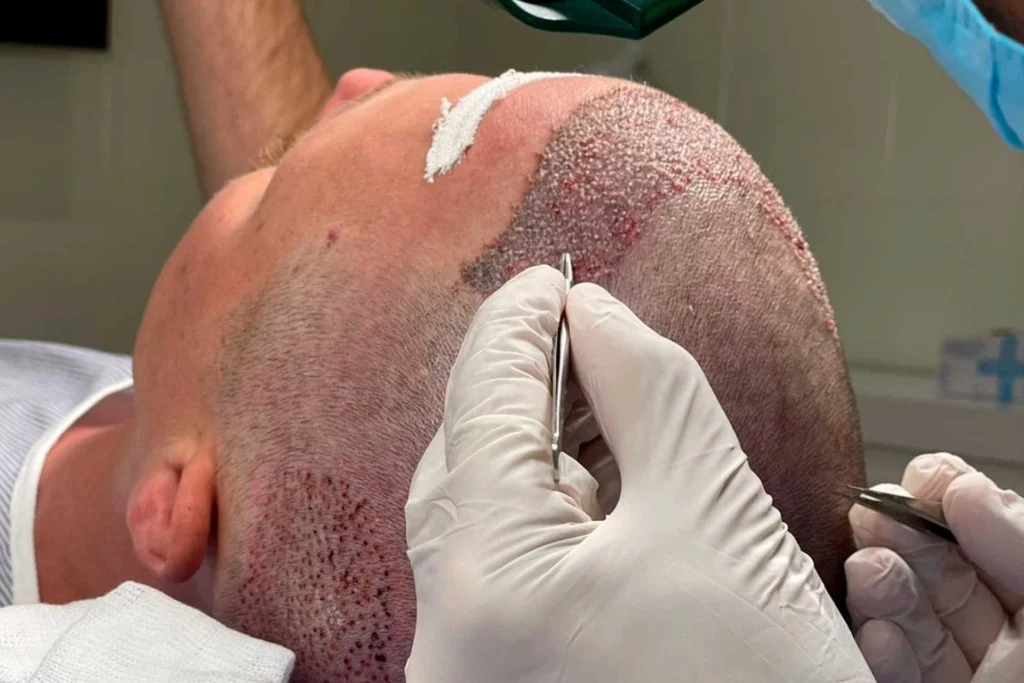
A second procedure may be considered after 9–12 months or longer to assess hair growth and healing. Some patients may also need another transplant years later if their natural hair continues to thin. Medications like finasteride or minoxidil may help slow hair loss, but they cannot prevent it in every case. At Hair Restoration Mexico in San Pedro, Monterrey, Dr. Antonio Aguilar assesses donor hair density, scalp health, and hair loss patterns to create a suitable treatment plan.
Key Takeaways
- One hair transplant may be enough for mild or moderate hair loss.
- Severe baldness may require two or more sessions, depending on the donor hair supply.
- The number of grafts depends on hair loss severity, treatment area, and desired density.
- A second transplant may improve coverage or treat new areas of thinning.
- Protecting donor hair and planning for future hair loss can reduce the need for more procedures.
Can a Hair Transplant Be Done in One Session?
Surgeons may complete a hair transplant procedure in one session or divide treatment into stages. A single session can treat one or more areas, depending on the number of grafts required and how many can be safely harvested. Staged procedures allow surgeons to assess initial hair growth before adding more density or covering other areas.
The number of sessions also depends on surgical planning and the patient’s long-term goals. For example, a surgeon may treat the frontal hairline first and address the crown later to preserve donor hair. This approach helps distribute available grafts without removing too many follicles at once.
What Determines How Many Transplants You Need?
A doctor checks the extent of hair loss, donor hair supply, and future thinning before suggesting surgery. These factors help determine how many grafts can be moved safely and whether you may need more sessions. The goal is to improve coverage while keeping enough donor hair for future use.
Hair Loss Severity and Coverage
The amount of hair loss affects how many procedures a patient may need. Mild thinning near the forehead often requires fewer grafts than hair loss across the front, mid-scalp, and crown. Patients with advanced male pattern baldness may need several sessions to cover larger areas.
Donor Hair Availability
The donor area is usually at the back and sides of the scalp. It provides the healthy hair follicles used during surgery. Doctors assess hair density, scalp health, and how much hair they can safely remove.
Taking too many grafts can leave the donor area looking thin or uneven. It may also reduce the number of follicles available for future procedures. This makes donor hair preservation an important part of treatment planning.
Hair Density and Future Hair Loss
Hair characteristics such as thickness, curl, and color affect how full the results may look. The number of hairs in each graft also affects the final density. Since natural hair can keep thinning over time, doctors consider future hair loss before planning surgery.
How Many Grafts Do You Need for a Hair Transplant?
The number of grafts depends on the size of the bald area and the desired hair density. Each graft usually contains one to four hairs, so graft numbers differ from the total number of hairs moved. A doctor checks the scalp and donor area to determine how many grafts are needed for good coverage.
For example, 1,500 grafts may help restore a receding hairline, while 4,000 grafts may cover larger areas of the front and middle scalp. These numbers are estimates, and more grafts do not always mean better results. Doctors must also consider safe extraction limits and graft survival.
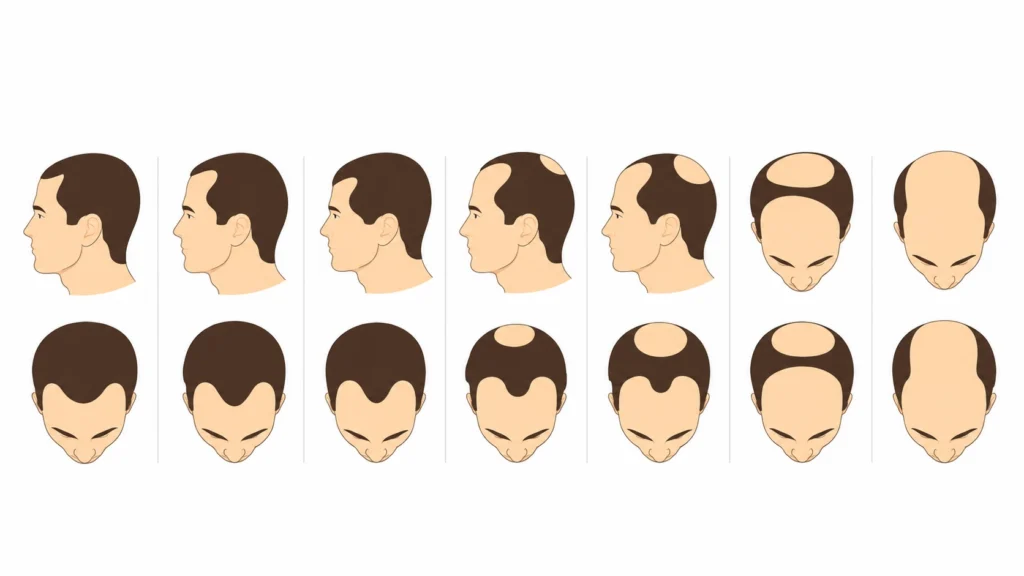
Graft Requirements by Norwood Stage
The Norwood Scale measures common stages of male hair loss. Doctors use it to estimate graft needs based on the size and pattern of bald areas. The table below shows general ranges, which may change based on each patient’s hair characteristics and goals.
Patients at the same Norwood stage may need different graft counts. Hair thickness, donor density, and treatment goals all affect the final estimate. A high graft count doesn’t mean every patient can safely receive that many grafts.
How Many Hair Transplants Do I Need for My Hairline?
Most patients with a receding hairline need only one procedure if they have enough donor hair. Mild recession may require around 500–1,500 grafts, while larger areas may need 2,000 or more. The final number depends on the hairline shape, existing density, and the area being treated.
You may need a second transplant if your natural hair continues to thin behind the new hairline. Doctors also consider age, future hair loss, and available donor grafts when designing the hairline. A well-planned hairline can help save grafts for possible future treatment.
When Do You Need Another Hair Transplant?
Consider a second hair transplant if the first procedure produces uneven density, poor graft growth, or an unnatural hairline. Surgeons may also use repeat surgery to correct scars or improve results from a previous transplant. These cases require a close review of the scalp because existing grafts and scar tissue can affect where the surgeon places new follicles.
Before another procedure, the doctor checks graft survival, scalp healing, and the condition of previously treated areas. Surgery in scarred tissue may be more difficult because blood supply and skin quality can vary. The doctor must determine whether additional grafts can improve coverage without damaging existing hair.
![]() Waiting Time Between Procedures
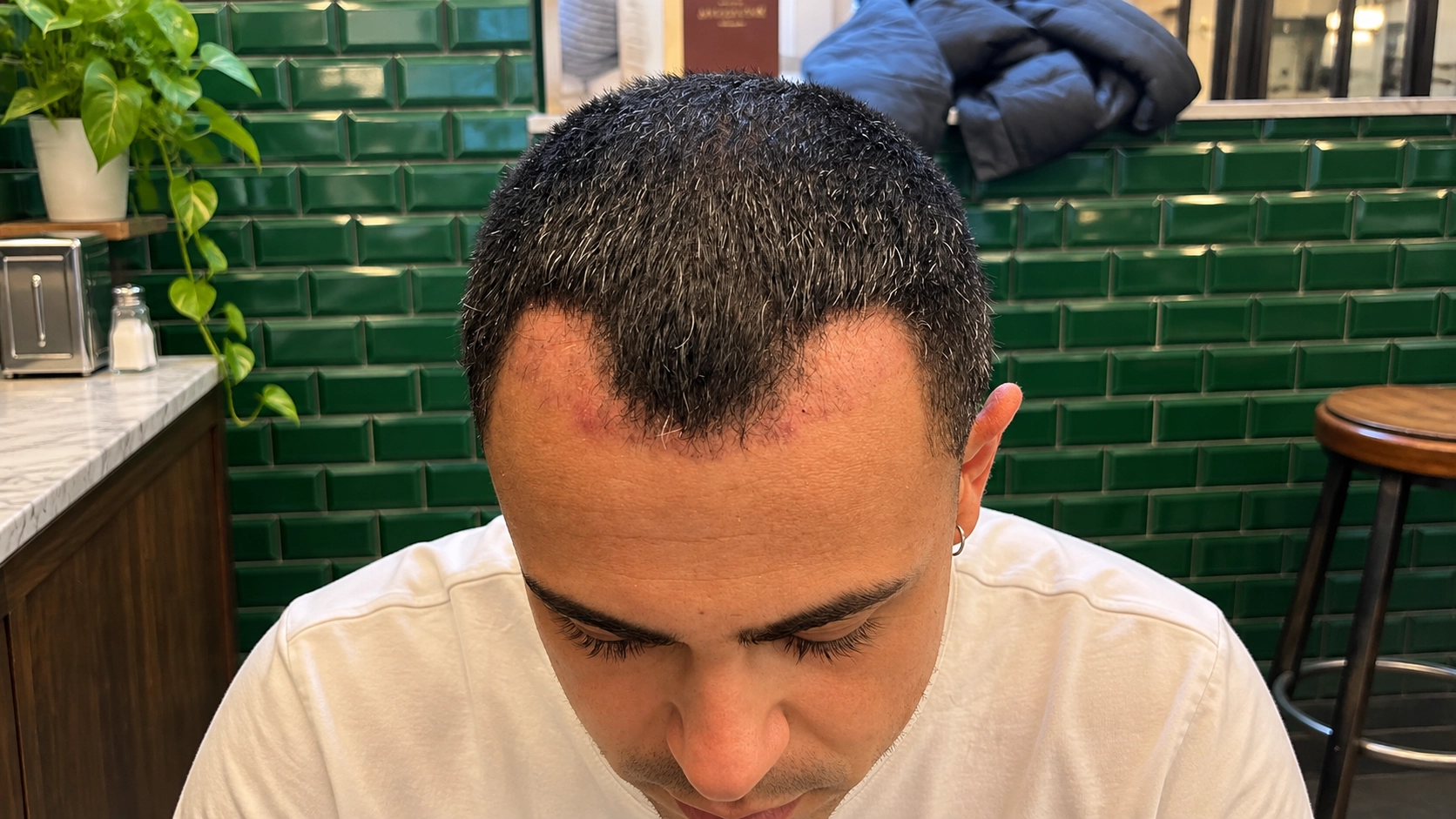
Patients often wait about 12 months before having another transplant in the same area. This gives the scalp time to heal and lets the doctor assess hair growth. Some patients may need to wait longer based on their recovery and treatment goals.
Scabs usually heal within one to two weeks, but new hair growth takes several months. Fuller results may take 12–18 months to appear. Follow-up visits help doctors track healing, check graft growth, and decide whether another procedure is suitable.
How Many Hair Transplants Can You Have?
There is no fixed number of hair transplants anyone can safely have. Some patients need only one surgery, while others may have two or three over several years, depending partly on how long their hair transplant results last and whether natural hair loss continues. The main limit is how much healthy donor hair remains after each procedure.
Each surgery removes follicles from the donor area, where they do not grow back. Taking too many grafts can cause visible thinning, scarring, and fewer options for future treatment. A doctor must check the donor area before planning another session.
Is 3 Hair Transplants Too Much?
Three hair transplants are not always too many, but they may not be safe or useful for everyone. Patients with enough healthy donor hair and good scalp health may qualify for another procedure. Those with limited donor follicles, heavy scarring, or ongoing hair loss may have fewer options.
A medical exam helps determine whether a third procedure can improve coverage without causing more damage. The doctor should also review past results and explain what the patient can realistically expect.
Can You Avoid Multiple Hair Transplants?
Some patients can lower the chance of needing more surgery through long-term planning and medical treatment. Medicines such as finasteride after a hair transplant and minoxidil may help slow hair loss and protect existing hair when used under medical guidance. Still, these treatments cannot guarantee that another transplant will never be needed.
Patients comparing hair transplant care in Mexico, Turkey, or the United States should review physician involvement, medical licensing, safety standards, and follow-up care. Rules and clinic practices vary by location, and some high-volume clinics may offer less direct medical oversight. Clear communication and regular follow-up help patients understand the process and manage recovery.
A good treatment plan considers current hair loss and how it may change over time. Protecting the donor supply and tracking natural hair loss can reduce the need for future procedures.
A medical evaluation can help determine how many hair transplant sessions you may need based on your hair loss, donor hair supply, and treatment goals. Schedule a free consultation with Hair Restoration Mexico to discuss your options and develop a personalized treatment plan.
A medical evaluation can help determine how many hair transplant sessions you may need based on your hair loss, donor hair supply, and treatment goals. Schedule a free consultation with Hair Restoration Mexico to discuss your options and develop a personalized treatment plan.