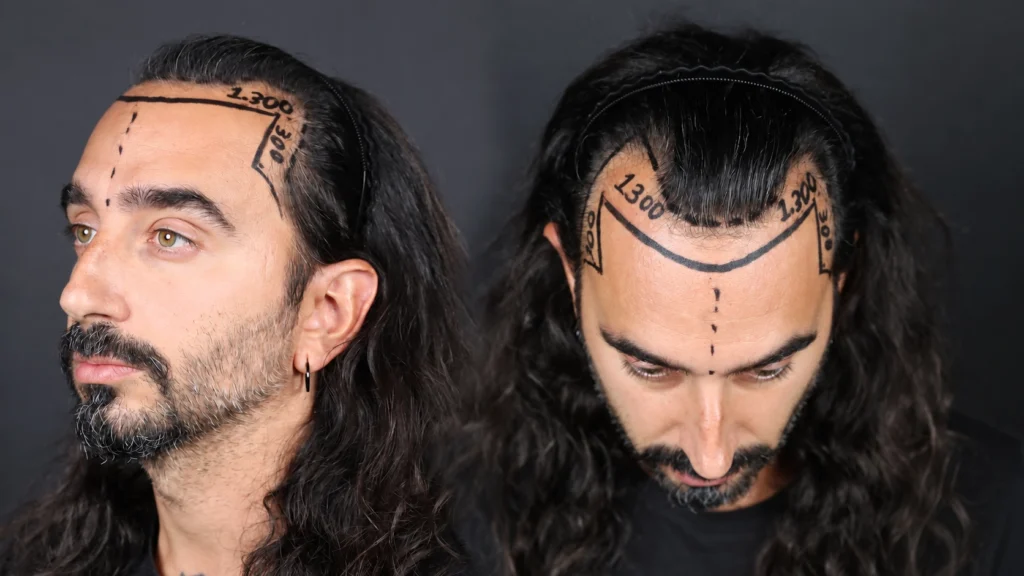
Transplanted shafts often shed within a few weeks, while new growth usually starts around three to four months and continues developing for 9 to 12 months or longer. This method often takes more time than shaved FUE and may cost more because working around longer hair makes extraction and graft placement more complex.
Hair Transplant Mexico is located in San Pedro Garza García, Monterrey, and offers doctor-led hair restoration under Dr. Antonio Aguilar. Whether this method is suitable depends on donor density, hair loss, the number of grafts needed, hair type, and the goal of keeping more hair length during treatment. A medical exam helps set realistic goals for coverage, recovery, and long-term results.
Key Takeaways
- Long-hair FUE removes individual follicular units while keeping more visible hair length, so you may not need a full-head shave.
- The procedure often takes longer than standard shaved FUE because long shafts can make extraction and graft handling harder.
- Longer surrounding hair may help hide early signs of surgery, but redness, scabs, swelling, and temporary shedding can still occur.
- New growth often starts after three to four months, while fuller results may take 9 to 12 months or longer.
- Candidacy depends on donor density, stable hair loss, scalp health, graft needs, and a medical exam.
Can You Do FUE with Long Hair?
Yes. Clinics can do long-hair follicular unit extraction without shaving the whole head, but they may use different methods. Some surgeons keep donor shafts long, while others shave a small hidden strip and use longer hair to cover it. The right approach depends on follicle direction, donor density, scalp access, and the planned graft count.
How a Hair Transplant with Long Hair Works
This hair transplant method follows the same basic steps as a standard FUE hair transplant. The surgeon examines the scalp, removes follicular units, prepares the thinning area, and places the grafts. The main difference is that longer shafts can block the surgeon’s view and slow graft handling. They can also help cover early signs of surgery.
Evaluation and Treatment Planning
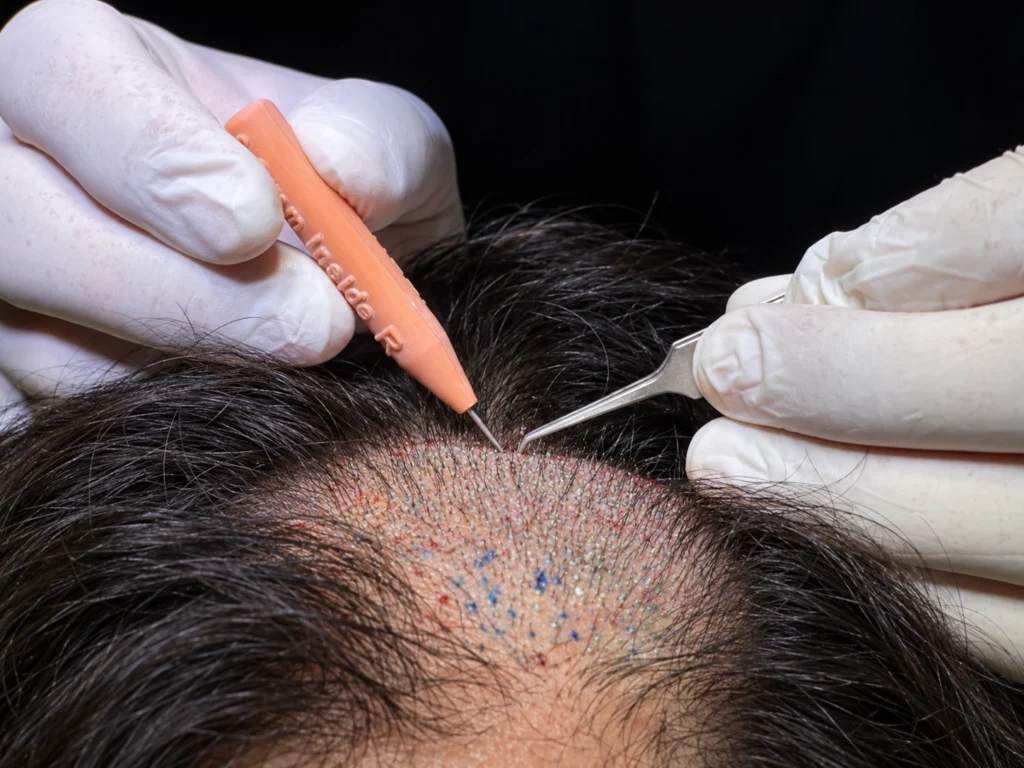
A physician first reviews the cause and pattern of hair loss. The exam also covers medical history, medicines, scalp health, and donor supply. The doctor studies both donor and recipient areas, including density, hair thickness, curl, and signs of future loss. This helps determine whether surgery is suitable and how much coverage is realistic.
Shaving Requirements and Terminology
The term “long-hair FUE” does not always mean the same thing at every clinic. Some doctors keep the donor hair long, while others shave long hair only in small areas that nearby hair can hide. Patients should ask how much hair will be cut before surgery. They should also confirm whether the plan is fully non-shaven or only partly concealed.
Extraction Methods and Graft Placement
The surgeon uses small punches to separate hair follicles before removing each graft. Haired grafts can be harder to handle because long shafts may cross or tangle, so careful removal and storage are important. The doctor may create recipient sites first and then place the grafts, or use an implanter pen to open the skin and insert a graft. DHI (direct hair implantation) refers to placing grafts with an implanter, while FUE refers to how follicles are extracted from the donor area.
Long Hair FUE Transplant vs Standard FUE
Both methods remove follicular units one at a time instead of taking a strip of scalp. Standard FUE usually cuts the donor hair short, which gives the surgical team a clearer view. The long-hair approach keeps more visible length, but it can slow harvesting. The main difference is how much hair is trimmed and how easily the donor area can be accessed.
Recovery Visibility
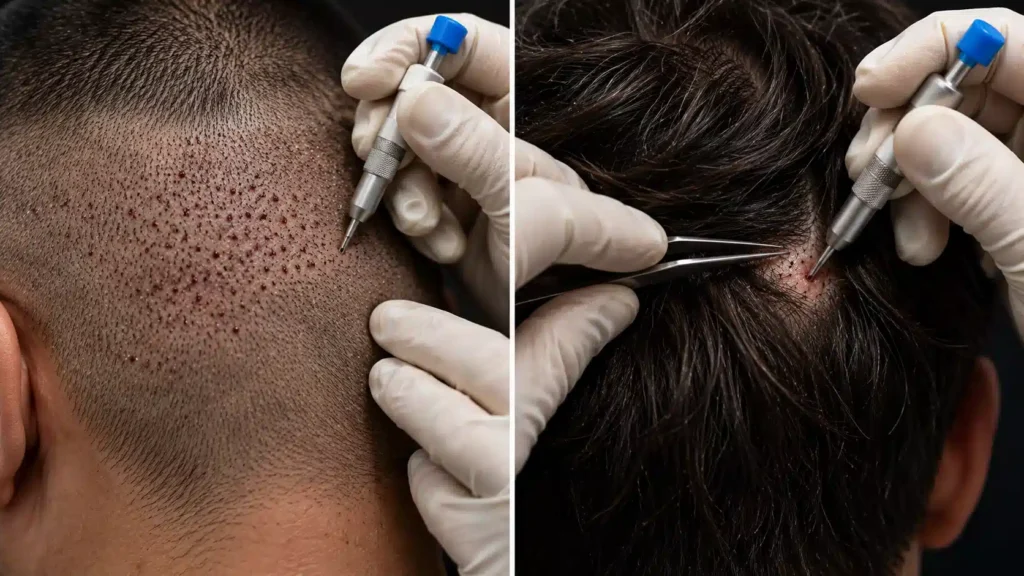
Longer hair can cover small extraction points and make the donor area less visible during early healing. It can also help hide some redness and scabs around the treated area. This does not make recovery invisible, since swelling, crusting, or temporary shedding may still occur. How noticeable the procedure looks depends on hairstyle, skin tone, graft count, and treatment area.
Benefits, Graft Limits, and Procedure Time
The main benefit is that patients may keep more of their normal hairstyle during treatment. The trade-off is that long shafts can hide follicles, slow extraction, and make large sessions harder to complete in one day. The safe number of grafts depends on donor density, hair type, the size of the treatment area, and how much hair you can remove without causing visible thinning. Keeping the shafts long does not make grafts more likely to grow.
Key differences include:
- More surrounding hair can help hide the donor area.
- Harvesting may take longer than with shaved FUE.
- Some long-hair sessions may require fewer grafts.
- Keeping hair long does not guarantee better growth.
Which Is Better, FUE or FUT?
FUE and FUT (follicular unit transplantation) use different ways to collect donor follicles. FUE removes follicular units one at a time, while FUT removes a strip of scalp and closes the area with stitches. FUT leaves a linear scar, while FUE leaves many small extraction marks. A hair transplant surgeon should consider donor supply, scalp laxity, hairstyle, past surgery, and scar preference before suggesting either method.
Candidates for Long-Hair FUE
A good candidate needs enough stable donor hair and a type of hair loss that surgery can treat. Patients should also have realistic goals about density and coverage. This method may suit people who want to avoid a full shave, but hairstyle alone should not guide the decision. Active hair loss, poor donor density, some scalp diseases, or very large graft needs may make another method more practical.
Donor Hair and Hair Loss Stability
The donor area must contain enough healthy hair follicles to cover the target area without leaving obvious thinning behind. Doctors assess density, hair thickness, curl, miniaturization, and the risk that donor hair may thin later. Removing too many follicles can create patchy or thin areas. Safe donor planning matters more than reaching the highest possible graft count.
Long Hair FUE Transplant for Women
This approach may appeal to women because it can preserve more existing hairs around the donor and treatment zones. Candidacy still depends on the cause of loss, since female pattern thinning can affect wide areas of the scalp and may reduce donor strength. A doctor should also rule out causes such as telogen effluvium, traction alopecia, or scarring alopecia. Surgery is not suitable for every type of female hair loss.
Long Hair FUE Before and After
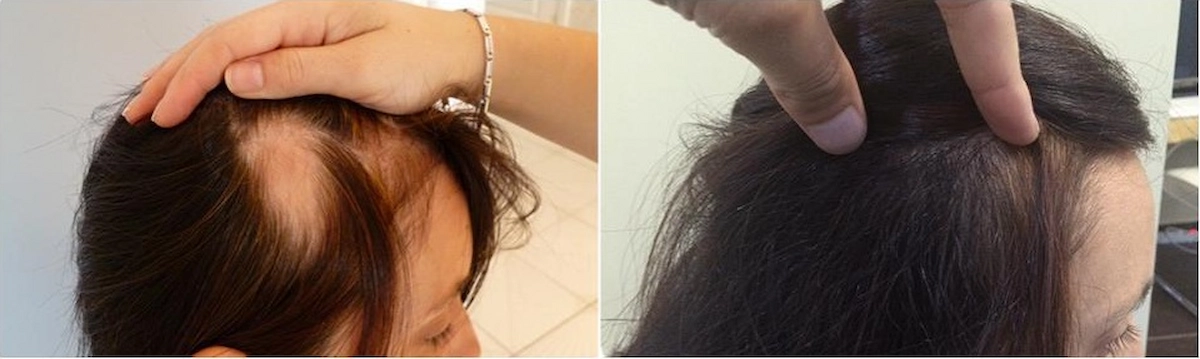
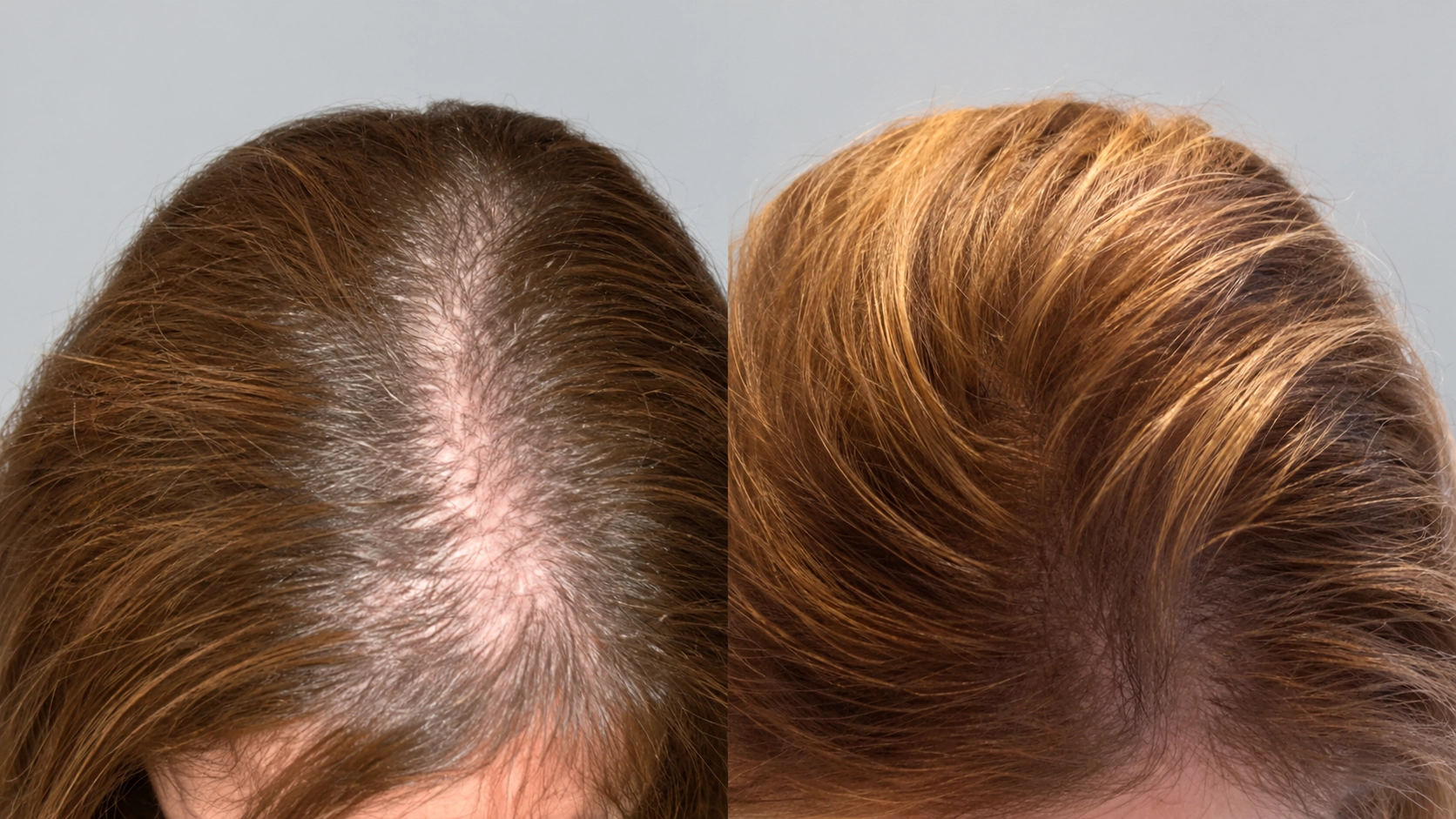
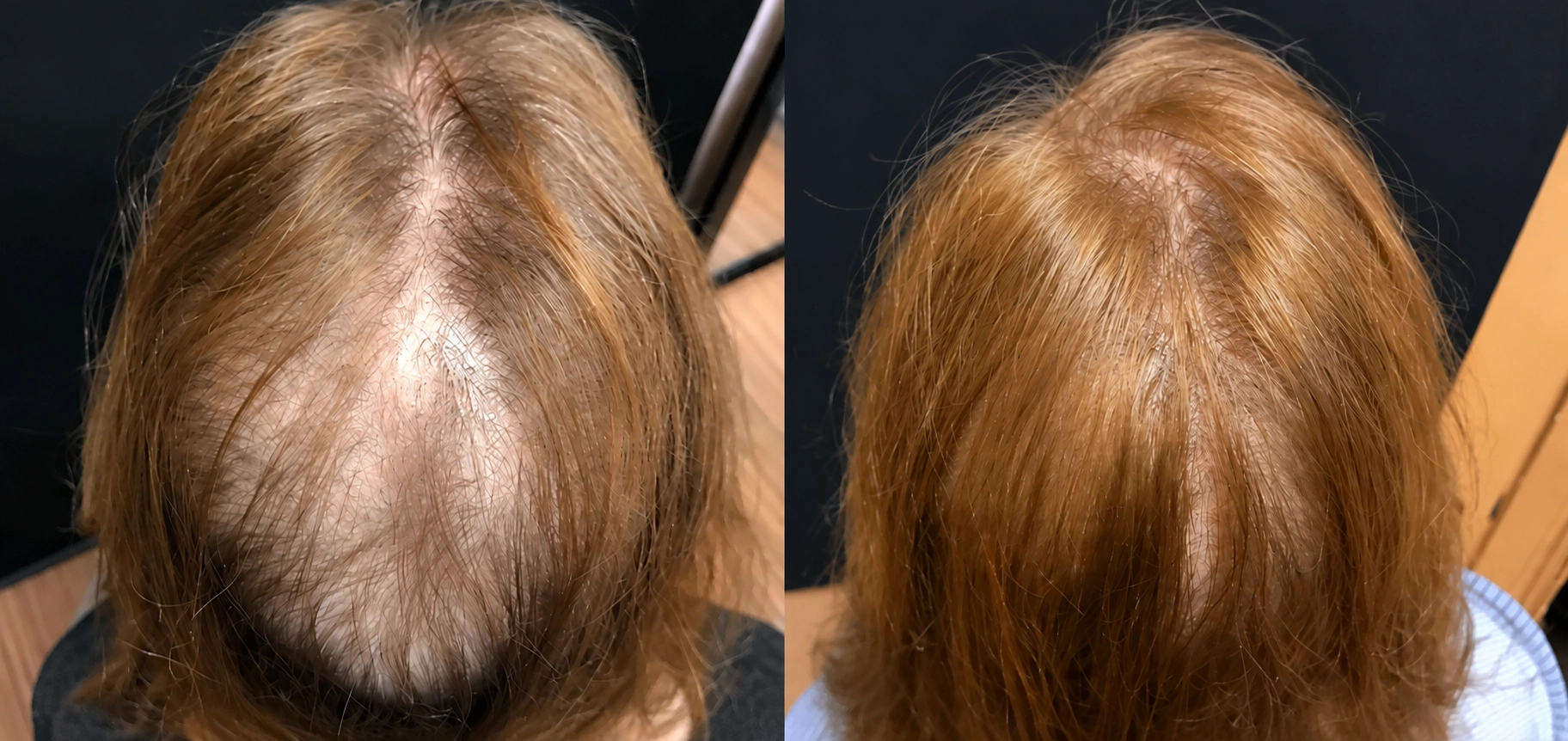
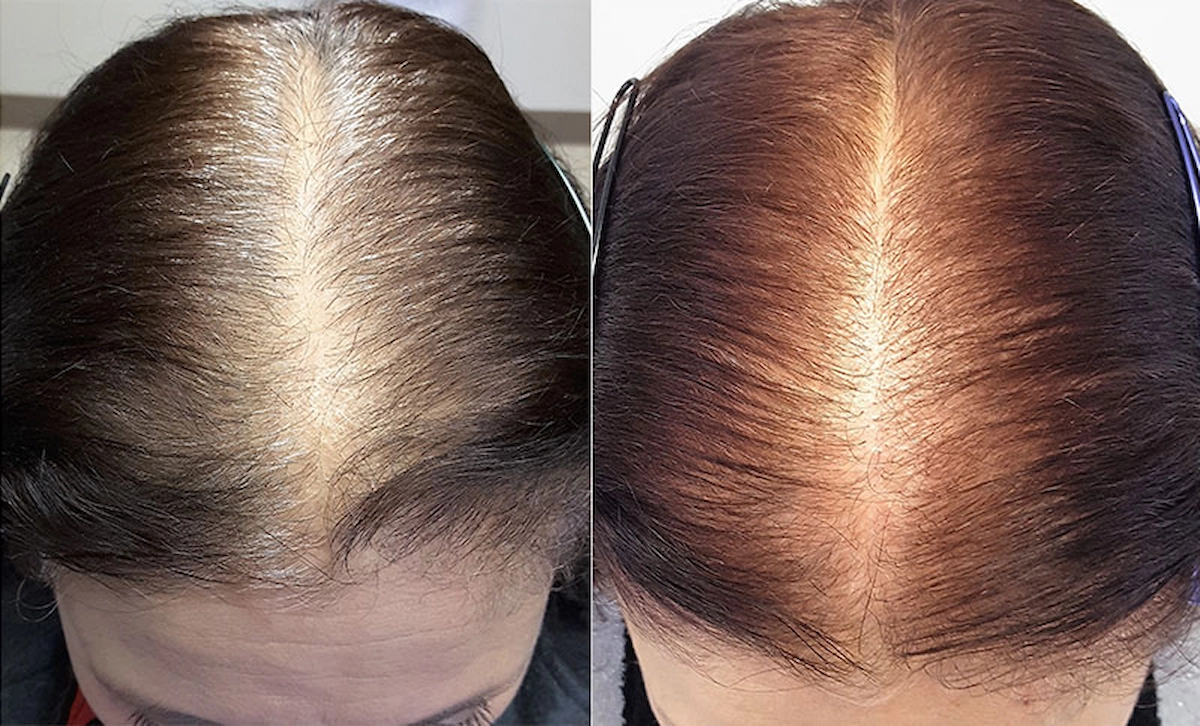
View before-and-after photos with care, because the hair seen right after surgery is not the final result. The transplanted shafts may give an early idea of direction and placement, but they often shed during the first few weeks. The follicles stay in the scalp and later begin a new growth cycle. You can’t judge final density from photos taken right after surgery.