
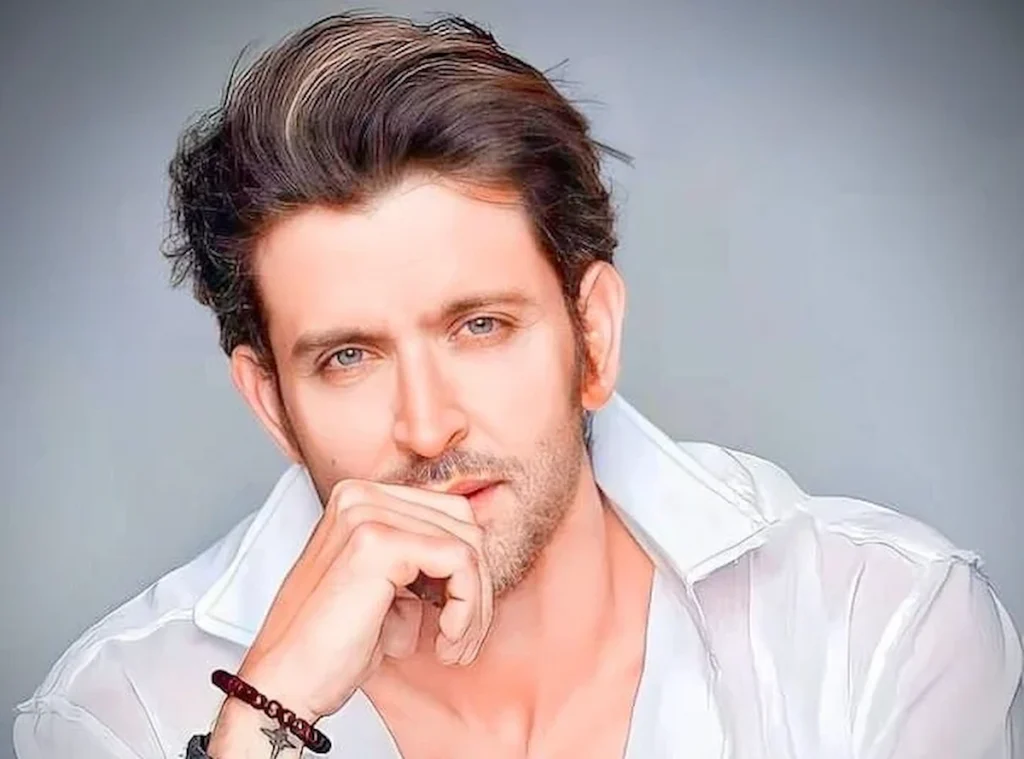
His current appearance may reflect genetics, normal age-related changes, styling, medical treatment, or possible surgery. None of these explanations has been publicly confirmed. Hair Transplant Mexico, based in San Pedro, Monterrey, uses doctor-led evaluation rather than photo-based guesses.
Key Takeaways
- No verified public proof shows the actor has undergone surgical restoration, so the claim remains unconfirmed.
- Before-and-after photos can show changes in shape, density, and styling, but they cannot prove surgery or medical treatment.
- His hairstylist has stated that he cuts the actor’s real hair. This challenges claims of a regular wig or patch but does not rule out past restoration treatment.
- His appearance may be linked to genetics, natural changes with age, styling, medical care, or possible surgery.
- A proper restoration assessment requires a doctor to examine the scalp, donor area, hair loss pattern, medical history, and likely future progression.
Hrithik Roshan Hair Transplant or Not?
No reliable public record confirms that he underwent the procedure. Online discussions often focus on changes in his frontal line, density, and overall appearance across films and public events. These differences may support speculation, but they do not establish a private medical history.
Doctors also cannot confirm surgery from celebrity photos alone. They need to examine the scalp, donor area, and thinning pattern. They also review medical history and consider how future loss may progress.
What Has Been Publicly Confirmed?
The actor has not shared medical records or made a clear public statement confirming surgical restoration. Some websites use photo comparisons to suggest that work may have been done. These opinions are not proof from the patient or a treating doctor.
More direct information addresses the wig question. Celebrity hairstylist Aalim Hakim has said that he cuts his own natural growth and has denied claims that the actor regularly wears a wig or patch. This supports the view that the visible strands are real, but it neither confirms nor rules out prior medical treatment or surgery.
Hrithik Roshan Hair Transplant Before and After
Before-and-after searches often focus on whether the frontal line looks different in older and newer photos. These images may show real changes, but age, lighting, camera angle, styling, and length can all affect how dense the scalp appears. The same person can look much fuller or thinner depending on these factors.
A fair comparison should use several images from similar angles. It should also look at the temples, front, mid-scalp, and crown as separate areas. One strong frontal photo cannot show the condition of the full scalp.
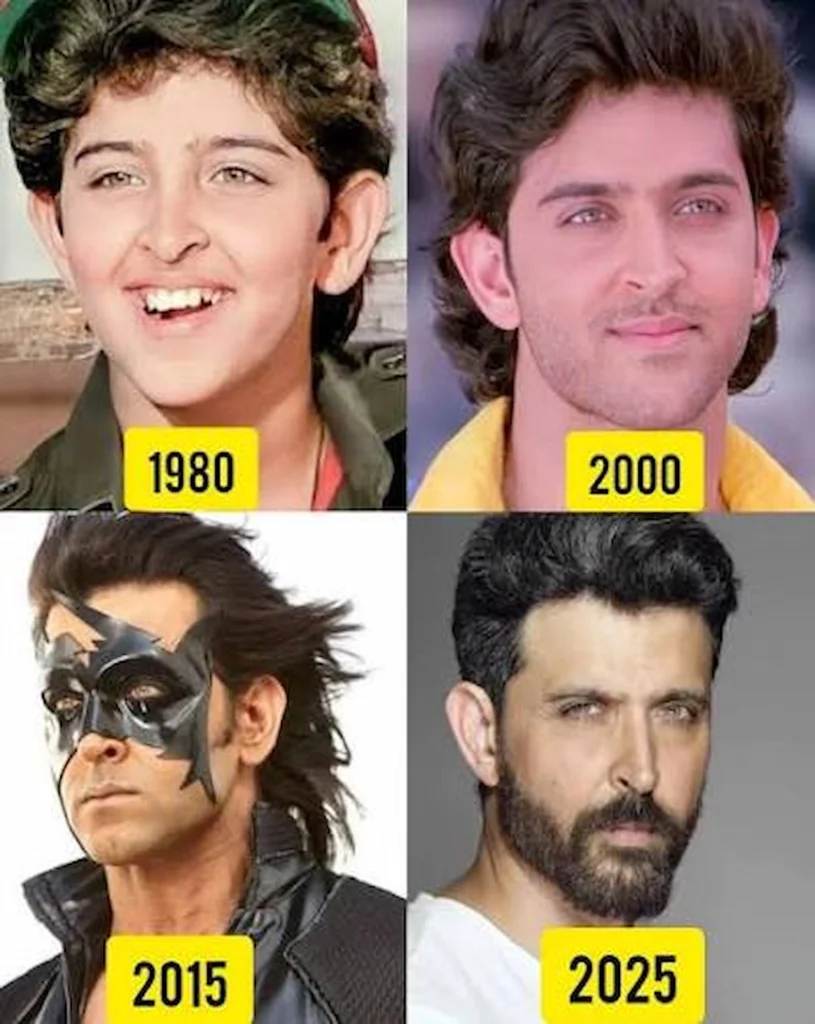
Hairline Changes Over Time
A man’s frontal line can change with age even without major loss. The temples may move back slightly, and the front may take on a more mature shape. Styling can also hide or expose parts of the forehead.
Doctors look at the pattern over time, not at a single image. Male pattern loss, also called androgenetic alopecia, often affects the temples, front, or crown. A medical exam can help distinguish normal aging from ongoing thinning.
Hairline Shape and Density
Frontal shape is one part of restoration planning. A natural-looking edge usually has small uneven areas, mixed growth angles, and a soft transition into thicker coverage. It rarely appears as one sharp, straight line.
Photos of the actor often show good frontal coverage, but image-based density estimates are not exact. Dark strands, curls, shadows, and longer styles can make the scalp look fuller. A doctor needs a direct exam or standard clinical images to judge true density.
What Photos Can and Cannot Show
Photos can show changes in visible coverage, styling, frontal shape, and scalp exposure. They cannot reveal whether grafts were removed from a donor area or whether someone used medication. They also cannot prove that surgery occurred.
Even doctors face limits when reviewing public images without a scalp exam or treatment history. Dr. Antonio Aguilar specializes in FUE restoration, where assessment includes donor supply, loss pattern, scalp health, and long-term planning. You can’t fully judge these factors from public photos.
Hrithik Roshan Wig
Surgical restoration and a wig work very differently. Surgery moves a person’s own follicles from one part of the scalp to another. A wig or hair system adds external fibers without moving follicles.
Aalim Hakim, a celebrity hairstylist who has worked with Roshan, has directly addressed the wig rumors. He has said that he personally cuts Roshan’s hair and that it is real, rejecting claims that the actor regularly wears a wig or hair patch. This is more direct evidence on the wig question than conclusions based only on photographs.
Is Hrithik Roshan’s Hair Real?
Based on Hakim’s public comments, the strands he works with are natural. That does not answer whether restoration treatment was ever used. Transplanted follicles also grow real strands.
This means natural growth and a past surgical procedure can both be true at the same time. A hairstylist may confirm that the visible coverage is real without knowing or sharing someone’s full medical history. Read public statements within those limits.
Long and Curly Hairstyles
Longer styles can create more visible coverage because strands overlap surrounding areas. Curly styles may also appear fuller because they take up more space and hide more scalp. Both effects can change the visual sense of density.
This is why you should consider styling when comparing photos from different years. A shorter or straighter cut may expose more temples or scalp. These changes should not be treated as medical proof.

Hrithik Roshan Hair Restoration Possibilities
Several factors could explain his stable or changing appearance. These include genetics, normal aging, styling, medical treatment, or surgery. No one has publicly confirmed any of these as the cause.
The same standard should apply to other Bollywood actors. Photos can help show what thinning may look like, but they cannot replace a diagnosis or medical records. Celebrity appearance should not be treated as proof of treatment.
Genetics and Natural Hairline Changes
Genetics play a major role in male pattern loss. Still, family history does not tell us exactly what will happen to one person. Two close relatives can have very different levels of thinning.
This means comparing him with family members cannot prove that he received treatment. Age, strand type, and follicle response can all affect the pattern. Androgenetic alopecia may also progress at very different speeds from one person to another.
Medical Hair Loss Treatment
Doctors may suggest non-surgical care when it fits the cause of thinning and the patient’s medical history. For male pattern hair loss, common examples include topical minoxidil and prescription finasteride, which may help slow further loss or support existing follicles in some patients. Stable density does not always mean surgery took place.
Medication use also cannot be seen in a photograph. For example, someone may maintain coverage for years with minoxidil, finasteride, or another doctor-guided treatment without having surgery.
In Roshan’s case, no verified public information confirms that he used these treatments, so they should be viewed only as possible examples rather than claims about his medical history.
Possible Hair Transplantation
Surgery is one possible explanation, but it has not been proven in this case. The procedure moves follicular units from the back or sides of the scalp to areas with less coverage. The process depends on having enough healthy donor follicles.
Doctors also review the cause of thinning, scalp health, age, and likely future progression. Results can differ from one patient to another. Healing, graft growth, planning, and later loss can all affect the final appearance.
How Hair Transplants Are Assessed
A restoration exam starts with the patient, not with a certain technique. A doctor checks the cause and pattern of loss, donor density, scalp health, age, medical history, and goals. The doctor also considers how the condition may change over time.
Patients may compare Mexico, Turkey, the United States, and other destinations when researching treatment. Price matters, but it should not be the only factor. Useful points to compare include:
- Doctor involvement in the exam and procedure
- Medical and local oversight
- Clear informed consent
- Follow-up care after treatment
Rules and clinic models vary by location. A country alone does not tell you whether a clinic offers good care. Patients considering Mexico should check the doctor’s training, who performs each part of the procedure, and how follow-up care works.
Hairline Design and Growth Angles
Frontal design includes more than drawing a line across the forehead. Doctors consider face shape, existing coverage, donor supply, future loss, strand thickness, and natural growth direction. These details affect how new growth may blend with the surrounding area.
Growth angle is also important. If grafts are placed at angles that do not match nearby follicles, the result may look less natural. Long-term planning can also help save donor supply for future needs.
Donor Hair and Scarring
The donor area limits the number of grafts available. Doctors check density, follicle quality, scalp features, old scars, and how much can be removed without thinning the area. Taking too many grafts can reduce coverage in the donor zone.
FUE (follicular unit extraction) removes small groups of follicles one by one. FUT (follicular unit transplantation) removes a strip of donor tissue and usually leaves a line-shaped scar. FUE also causes small scars, so it should not be described as scar-free.
FUE vs. FUT
These are common methods for collecting donor follicles for restoration surgery. FUE takes follicular units one at a time, while FUT removes a strip that is later split into grafts. Both methods can work in the right patient.
DHI (direct hair implantation) usually refers to placing grafts rather than removing them. A pen-like tool may hold each graft and help place it into the scalp. The tool doesn’t make one method right for every patient, so understanding the differences between FUE and DHI can clarify how extraction and implantation methods differ.
Recovery and Growth Timeline
Recovery happens in stages. Redness, swelling, crusting, and mild soreness are common during the first 7–10 days. Transplanted hairs often shed in the first few weeks, while new growth usually begins around 3–4 months. More visible density develops over 6–12 months, and the final result may take a year or longer.
Proper post-hair transplant care helps the medical team check healing and answer questions during each stage. Patients who travel for surgery should confirm who handles concerns after they return home and how remote or in-person follow-up will work.
Other Celebrity Hair Transplant Questions
Hair-loss searches also include Salman Khan and other Bollywood actors. These searches often compare photos from different years and try to identify treatment by appearance. The same rule applies in each case: visible change does not prove a private medical procedure.
Celebrity examples can still help explain common loss patterns and restoration methods. They can also show why photo-based claims are often uncertain. Medical facts should stay separate from online rumors. The same approach applies when reviewing cases such as the Boney Kapoor hair transplant, where visible changes should be separated from confirmed medical information.
Schedule a free consultation with Hair Transplant Mexico to review your hair loss, donor area, and treatment options.