
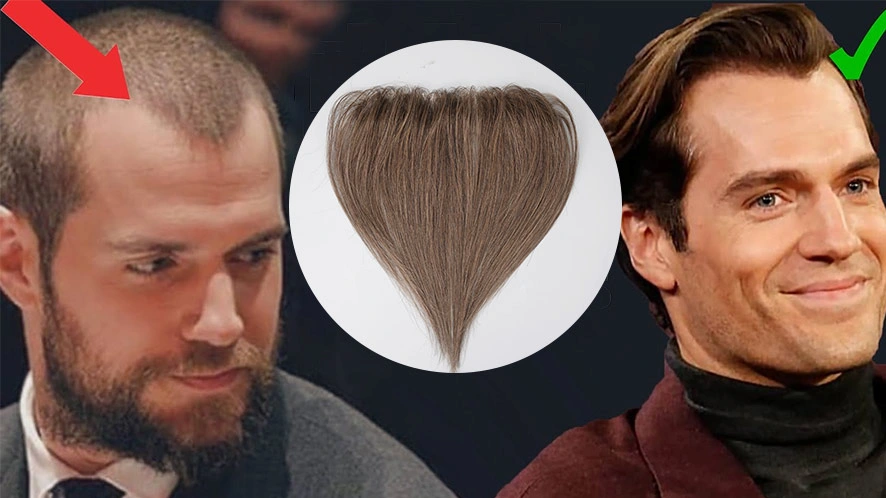
A careful review should separate confirmed facts from appearance-based assumptions. His fuller look on screen does not prove graft placement, donor extraction, or medical treatment.
At Hair Restoration Mexico in San Pedro, Monterrey, Dr. Antonio Aguilar evaluates these factors as part of medical planning before any procedure is considered.
Key Takeaways
- Henry Cavill has never publicly confirmed having a hair transplant, so any claims about surgery remain speculative.
- Photo comparisons can show changes in hairline shape or density, but they cannot confirm graft placement, donor extraction, or medical treatment.
- Styling, lighting, haircuts, role preparation, and natural hairline maturation can all affect how he looks on screen and in public photos.
- FUE hair transplant evaluation depends on donor supply, scalp health, hair-loss pattern, age, and realistic expectations.
- Patients researching hair transplant options in Mexico should compare physician involvement, medical oversight, follow-up care, and continuity of care before choosing a procedure.
Did Henry Cavill Get a Hair Transplant?
No public source provides official confirmation that he had surgery. Similar discussions around Chris Evans’ hair transplant rumors show why celebrity comparisons should be treated as visual speculation unless confirmed.
A careful article should separate appearance from diagnosis. Photos can show hairline shape, but they cannot confirm whether someone chose to undergo this procedure.
Henry Cavill Hair Transplant Before and After
What Older Photos Show
Older photos show a strong frontal area with some natural temple shape. This does not prove male pattern baldness, because many men develop a mature hairline without major thinning.
What Recent Photos Show
Recent appearances show good density and a controlled style. A full head of hair on camera can also reflect grooming, lighting, product use, and professional styling, enhancing screen presence.
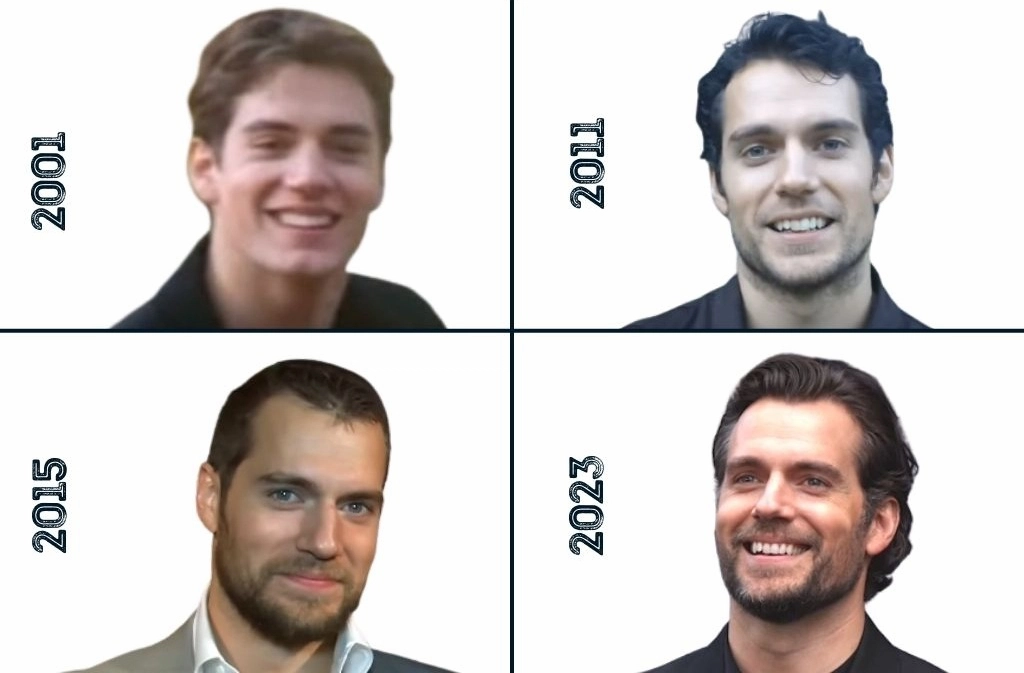
Why Photos Cannot Confirm Surgery
Before-and-after photos can create useful questions, but they cannot diagnose surgery. Hair can look different because of lighting, length, styling products, camera angle, makeup, and role-specific grooming.
Even close images cannot show whether grafts were placed, whether donor extraction happened, or whether medical treatment was used. Only medical records, a direct statement, or an in-person scalp evaluation could support that kind of claim.
What Happened to Henry Cavill’s Hair?
Styling, Lighting, and Role Changes
Actors change their look often for work. The Man of Steel role used specific grooming, camera angles, and styling that made his hair look dense and structured.
Henry Cavill’s Hair Loss
Is Henry Cavill Balding?
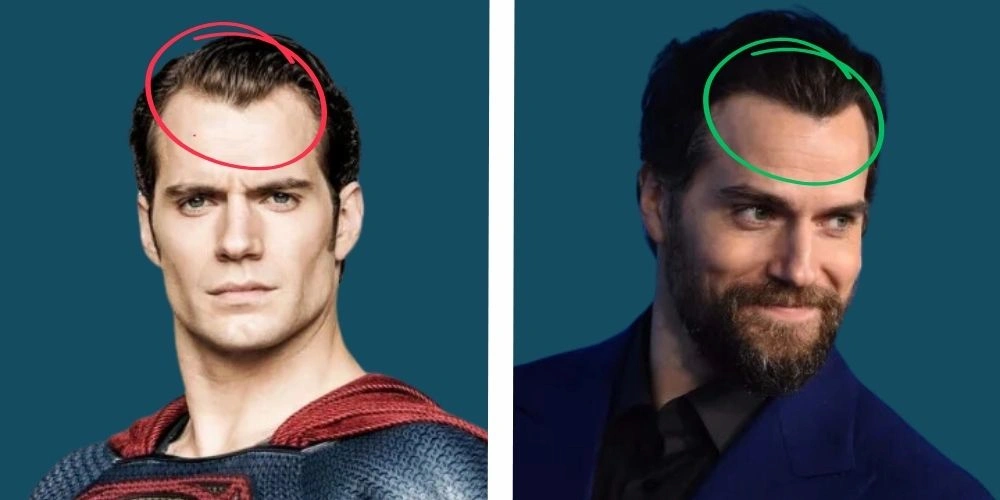
There is no reliable public diagnosis that he is balding. Some images may suggest temple recession, while others show stable density and strong coverage.
Henry Cavill’s Receding Hairline
Henry Cavill’s hairline is mostly discussed because his temples can look slightly higher in some photos, especially in close-up shots or slicked-back styles. This does not confirm active hair loss. Some men naturally develop a mature hairline, in which the temples recede a bit but overall density remains strong.
In his case, public photos often still show good frontal coverage and stable density. A doctor would need to assess the pattern, hair miniaturization, family history, scalp health, and donor supply before diagnosing true hair loss. Without that type of evaluation, any claim about recession remains visual speculation.
Henry Cavill Balding Superman Rumors
The Superman era brought more attention to his hair and overall look. Small changes in styling, lighting, or camera angle can look bigger on screen. These details do not prove surgery.
Henry Cavill Finasteride and Treatment Rumors
Why Medication Claims Need Caution
There is no confirmed evidence that he uses finasteride, which is FDA-approved for male pattern hair loss. Still, medication use should always be reviewed with a doctor because benefits, risks, and side effects vary.
Other Non-Surgical Options
Before surgery, a doctor may discuss non-surgical options based on the cause and stage of hair loss. These may include:
- Medication when the patient is a suitable candidate.
- Platelet-rich plasma to support follicle health in selected cases.
- Topical treatments that may help reduce shedding or support density.
- Styling changes that make the hairline or thinning areas look less noticeable.
These options can help some patients, but they do not replace a proper diagnosis.
Could FUE Explain the Rumors?
How FUE Hair Transplant Works
FUE (Follicular Unit Extraction) removes individual follicles from the donor area. A doctor then places them into thinning areas. Donor quality, graft planning, age, and the loss pattern all affect whether surgery makes sense.
Hairline Design and Donor Limits
Understanding how hair density affects the final result can help patients set realistic expectations before surgery. Claims that FUE will leave no visible scarring need caution. Small dot-like scars can still happen, even when they are hard to see.
Hair Transplant Evaluation and Safety
Candidacy Evaluation
A proper evaluation reviews scalp health, donor density, age, hair-loss stability, and goals. Some patients should delay the restoration procedures and start medical treatment first. This is common when the loss is still active or when the donor supply is limited.
Physician-Led Planning
Doctor-led planning matters because surgical restoration requires medical judgment. Dr. Antonio Aguilar is a specialist in FUE Micrografting and Hair Restoration. His role helps explain how physicians assess graft numbers, donor limits, and expected coverage.
Recovery and Outcome Variability
Recovery can include redness, scabbing, shedding, and slow new growth. The American Academy of Dermatology explains that transplanted follicles can shed within 2 to 8 weeks. Visible results may take 6 to 12 months.
Patients should expect differences in:
- Growth timing
- Donor-area healing
- Final density
- Natural-looking results
- Need for future treatment
Hair Transplant in Mexico
Reading patient reviews and clinic feedback can also help patients assess communication, follow-up, and realistic expectations. Medical travelers should plan follow-up care before the trip and know where they will stay after the procedure.
A hair transplant in Monterrey often comes from patients looking for care in a major northern medical city. Hair Restoration Mexico is located in San Pedro, Monterrey, Mexico, an affluent area in northern Mexico. In this setting, patients can discuss evaluation, planning, implantation tools such as pens, physician involvement, and follow-up before treatment.
For patients considering hair transplant options in Mexico, the main goals should be clear medical guidance, realistic expectations, and continuity of care. Schedule a free consultation.