
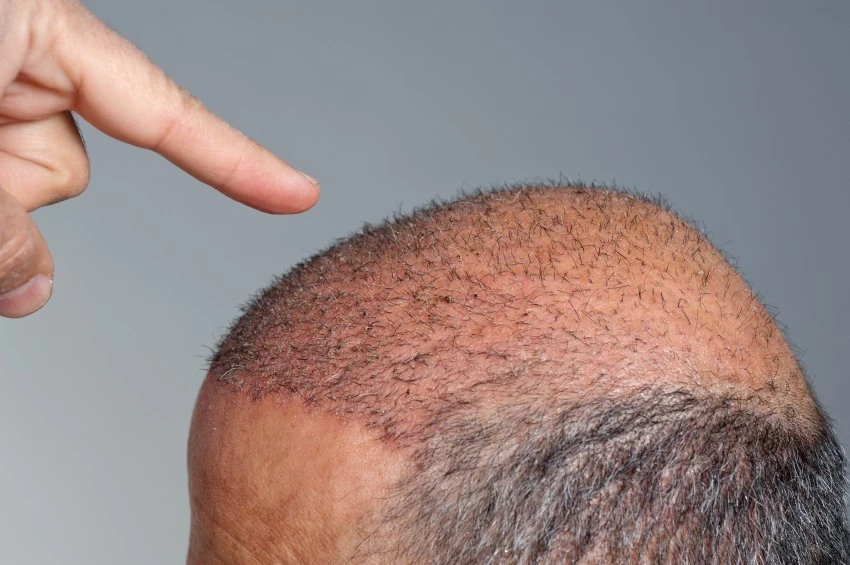
Post-hair transplant care is the set of steps you follow after a hair transplant procedure to protect the grafted area, support the healing process, and improve hair growth.
It includes gentle washing with low water pressure, sleeping with your head elevated, and avoiding activities such as touching, scratching, or exercising too soon. These steps help reduce complications and lower the risk of hair loss during recovery.
At Hair Transplant Mexico, led by Dr. Antonio Aguilar, care plans follow medical standards used in modern hair restoration. The clinic is based in San Pedro Garza García, Monterrey, known as one of the safest and most exclusive areas in Mexico. The sections below explain what to expect after a hair transplant and how to manage care afterward.
Key Takeaways
- Post-hair transplant care focuses on keeping grafts safe, gently cleaning the scalp, and following clear medical instructions in the first days and weeks.
- The healing process follows a timeline where early recovery, shedding, and the hair growth cycle are normal stages.
- Patients should avoid touching grafts, engaging in heavy activity, and sun exposure to reduce the risk and support healing.
- Proper washing, good sleep position, and taking prescribed medication as directed help protect grafts.
- Monitoring symptoms and attending follow-up visits help catch issues early and support safe outcomes.
What to Do After a Hair Transplant for Best Results
The first step is to follow your doctor’s instructions. Hair transplant aftercare helps keep the scalp clean, reduces swelling, and protects new grafts. Patients should rest, avoid touching the scalp, and drink enough water. These steps support the healing process and lower the risk of complications.
Doctor-led procedures often include clear post-op instructions, depending on the method used, such as Follicular Unit Extraction (FUE) or Direct Hair Implantation (DHI). Some patients may also be candidates for other methods, such as FUT hair transplant, depending on hair type and treatment goals.
At Hair Restoration Mexico, Dr. Antonio Aguilar specializes in FUE hair transplant and hair restoration, with experience in more than 1,000 procedures.
Clinics that use tools like the Choi pen require careful recovery steps. This helps protect the placed grafts. Good care after a hair transplant surgery and proper post-transplant care support better results.
First 24 Hours After Surgery
During the first day, the scalp is very sensitive, and the grafted area is not yet stable. Patients should not touch or wash the area. Sleeping with the head raised helps reduce swelling and protects the grafted area.
Mild bleeding or fluid may appear and often stops on its own. If symptoms worsen rather than improve, patients should contact their doctor. Early support helps prevent issues during the healing process.
First Week Recovery Steps
During the first week, scabs form, and healing stabilizes. Patients can begin gentle washing if their doctor allows it. They should avoid exercise and direct sunlight. Swelling and redness usually improve during this time.
Some people feel tightness or mild itching on the scalp. This is normal and part of healing. These symptoms should improve over time. Patients should continue to follow postoperative care instructions closely.
Avoiding smoking is strongly advised during this stage. Smoking can reduce blood flow to the scalp and slow the healing process. This may affect how well grafts settle and grow within the hair growth cycle.
Washing, Sleeping, and Medications
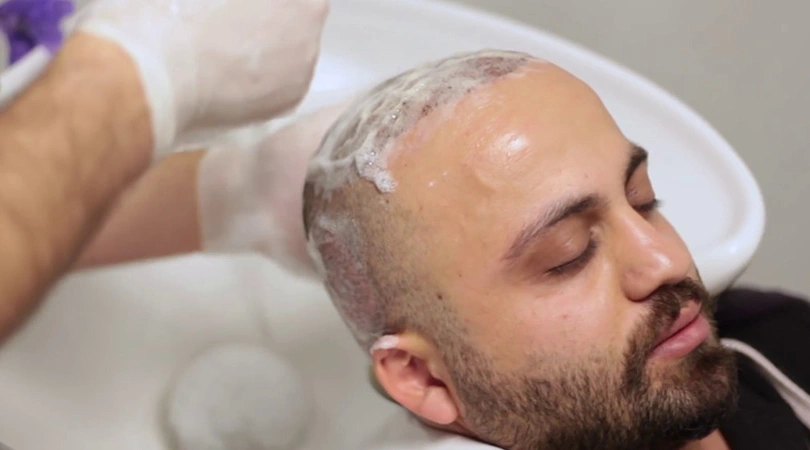
Washing should be done with low water pressure and gentle hair growth shampoo without rubbing the scalp. Patients should avoid direct pressure on the grafted area. Light tapping helps clean the area while protecting grafts. Sleeping on the back with the head raised remains important during early recovery.
Key steps include:
- Use a mild shampoo
- Avoid strong water pressure
- Do not rub or scratch the grafted area
- Pat the scalp dry gently
Doctors may prescribe antibiotics or anti-inflammatory drugs. These help reduce swelling and prevent infection. Patients should follow all prescribed medication instructions carefully during the post op phase.
How to Protect New Grafts
New grafts need protection from pressure and dirt. Patients should avoid tight hats, scratching, or touching the grafted area. Small actions can affect healing and impact results. Careful behavior helps protect outcomes.
Methods like DHI and FUE depend on precise graft placement during the hair transplant procedure. Hair transplant aftercare supports this process. Protecting grafts early helps reduce the risk of hair loss and supports long-term growth.
Post Hair Transplant Care Timeline
Post Hair Transplant Care Day by Day
The first days focus on rest and protection of the grafted area. Swelling may increase, then slowly go down. Scabs form and start to fall off within a week. Some itching may also appear.
- Day 1–3: Swelling and sensitivity
Keep your head elevated, avoid touching the grafted area, and follow post op instructions. - Day 4–7: Scabs form
Start gentle washing if advised, and do not pick or scratch the scalp.
- Week 2: Scabs fall off
Continue careful washing and avoid friction or pressure on the grafted area.
- Month 1: Hair shedding starts
Shedding is normal in the hair growth cycle. Maintain basic post-transplant care and avoid harsh products.
This timeline reflects the early stages of the hair growth cycle. Small differences between people are normal.
Hair Transplant Care After 15 Days
After 15 days, most scabs have fallen off, and the grafted area looks calmer. Patients can return to normal activities, but should still be careful. Hair shedding may begin at this stage.
Shedding is normal and part of the hair growth cycle. It does not mean permanent hair loss. Pain or unusual symptoms are not expected. Patients should contact a doctor if problems appear.
1 Month After Hair Transplant Care
After one month, the scalp usually looks healed. The grafted area is more stable, but new hair has not grown yet. Patients can return to most activities if approved by their doctor.
Hair growth starts after a few months as part of the natural hair growth cycle. The healing process continues below the surface. Understanding this helps manage expectations.
Activities and Restrictions After Surgery
Returning to Daily Activities
Patients can return to light activities after a few days. Jobs that need physical effort may take longer. Each person heals at a different speed.
Wearing hats and going to the gym should wait until the doctor approves. Tight clothing and sweat can affect the grafted area. Following these rules helps reduce risk.
Exercise, Sun, and Sweat Risks
Exercise increases blood flow and sweating, which is why timing matters when returning to activity after surgery, as explained in this guide on exercise after a hair transplant.
This can affect graft healing and irritate the grafted area. Sun exposure can also slow the healing process by inflaming the scalp and damaging sensitive skin during early recovery. These risks are higher in early recovery.
These limits help protect the scalp. They are based on how healing works. Following them helps avoid problems.
Can I Touch My Grafts After 7 Days?
After seven days, grafts are more stable. Patients may touch lightly if allowed, but should still avoid pressure on the grafted area. Scratching or rubbing should not be done.
Care is still needed at this stage. Each case may be different. Patients should follow medical advice.
Post Hair Transplant Care Products
Recommended Shampoos and Lotions
Doctors often suggest mild shampoos during recovery. These clean the grafted area without irritation. Some lotions may help soften scabs and support healing.
Patients should only use products recommended by their doctor. Wrong products can slow the healing process. A simple routine is best.
Products to Avoid During Healing
Strong chemicals, alcohol-based solutions, and styling products should be avoided during early recovery. These can irritate the grafted area and disrupt the healing process.
Products can be gradually reintroduced after healing. Timing depends on the patient. Medical guidance helps avoid mistakes.
Risks, Mistakes, and When to Act
Do and Don’t Guidelines After Surgery
Clear steps help prevent mistakes.
Do:
-
- Keep the grafted area clean
- Take prescribed medication as directed
- Sleep with the head raised
Don’t:
- Touch or scratch grafts
- Expose the grafted area to the sun early
- Start exercising too soon
Signs of Infection
Signs include redness, swelling, pain, or fluid in the grafted area. Fever may also occur. These signs need medical attention.
Patients should not try to treat this on their own. A doctor should check the symptoms. Early care helps prevent problems.
When to Contact Your Doctor
Patients should contact their doctor if healing is not normal. Ongoing pain or swelling should not be ignored. Clear communication is important.
Follow-up visits help track progress. Doctors can adjust postoperative care if needed. This supports better results.
Long Term Care and Follow Up
Hair Care Routine
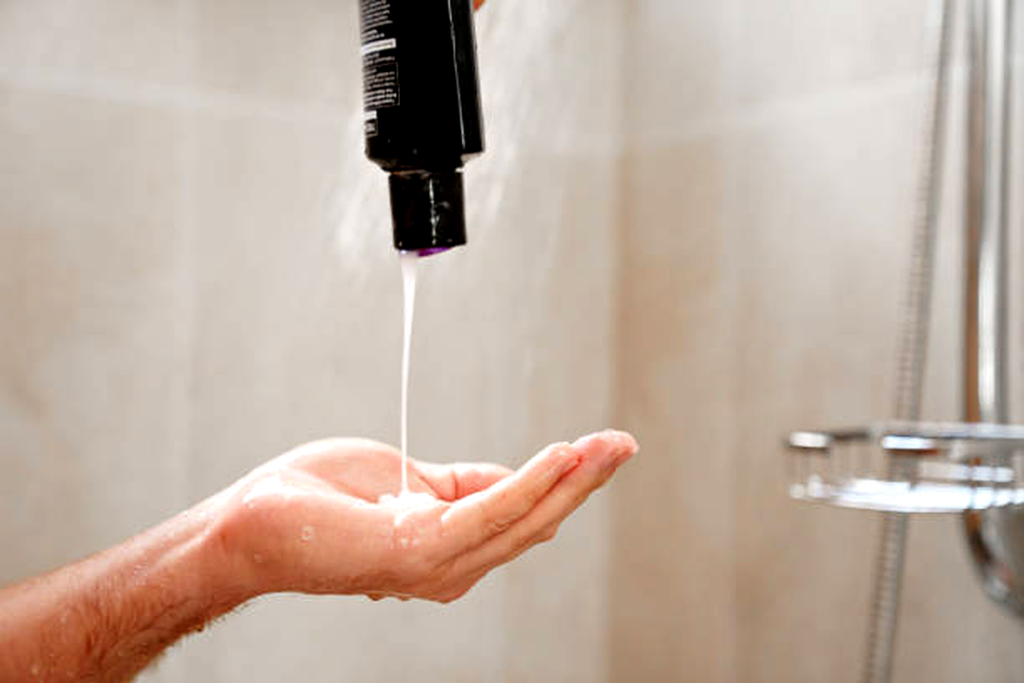
Long-term care helps keep the scalp healthy and reduces future hair loss. Patients should use gentle products and follow a simple routine, such as washing with mild shampoo, avoiding harsh chemicals, and limiting heat styling. Keeping the scalp clean and avoiding irritation supports steady hair growth.
Hair growth takes time and follows the natural hair growth cycle. Results vary between people. Patience is important during this stage.
Follow-Up Treatments and Checkups
Follow-up visits help doctors check progress. Some patients may need extra treatment based on results. This depends on clinical evaluation.
Dr. Antonio Aguilar has noted that structured follow-up supports proper healing and long-term outcomes. This reflects standard medical care. Hair Restoration Mexico supports patients from Mexico, the U.S., and Latin America seeking high-quality, natural-looking results with medical oversight.
If you are considering a hair transplant procedure or want guidance on post-hair transplant care, you can schedule a consultation with a qualified doctor.
A proper evaluation helps you understand your options, the healing process, and what results to expect. Early guidance also helps reduce risks and improve outcomes.