
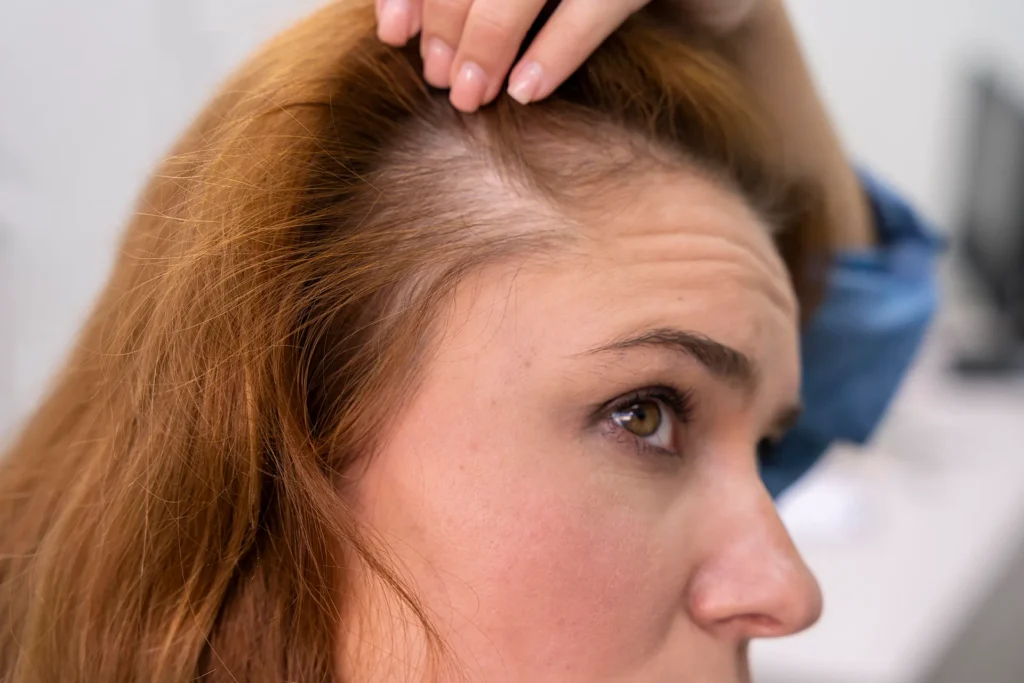
Doctors take follicles from a donor area, usually the back of the head, and place them in areas with thinning hair. The goal is to improve hair coverage and natural density.
Dr. Antonio Aguilar, a physician experienced in follicular unit extraction and hair restoration, practices in San Pedro, Monterrey, Mexico.
Key Takeaways
• Female hair transplant Mexico refers to surgical hair restoration procedures that move healthy hair follicles from a donor area to thinning regions of the scalp, helping improve hair density and coverage in women experiencing hair loss.
• Modern hair transplant procedures for women commonly use follicular unit extraction (FUE), where individual hair follicles are carefully removed and implanted to match natural hair growth patterns.
• A medical evaluation is essential before surgery, as doctors assess donor hair availability, the stability of hair loss, and the number of grafts needed to determine whether a patient is a suitable candidate.
• Recovery after hair transplant surgery occurs gradually, with most transplanted hair shedding within the first few weeks and new growth typically appearing several months post procedure, with full results often visible after 9 to 12 months.
• Patients comparing hair transplant in Mexico with other countries often consider factors such as physician involvement, regulatory standards, clinic oversight, travel logistics, and continuity of follow-up care.
What is a Female Hair Transplant in Mexico
Female hair transplant in Mexico is a medical procedure used to restore hair in women with thinning areas or patchy hair loss. Doctors move healthy hair follicles from a stable donor area to areas where hair is missing or thin. These follicles grow like normal hair once they settle in the new location. The process can help improve hair density and overall appearance.
Many patients researching female hair restoration in Mexico compare treatment options across different countries. Mexico is often included in these comparisons because clinics in Mexico offer specialized hair transplant procedures and physician supervision. Hair Transplant Mexico is located in San Pedro, Monterrey, Mexico. This area is known for private medical centers and specialized physicians.
How Hair Transplants Work for Women
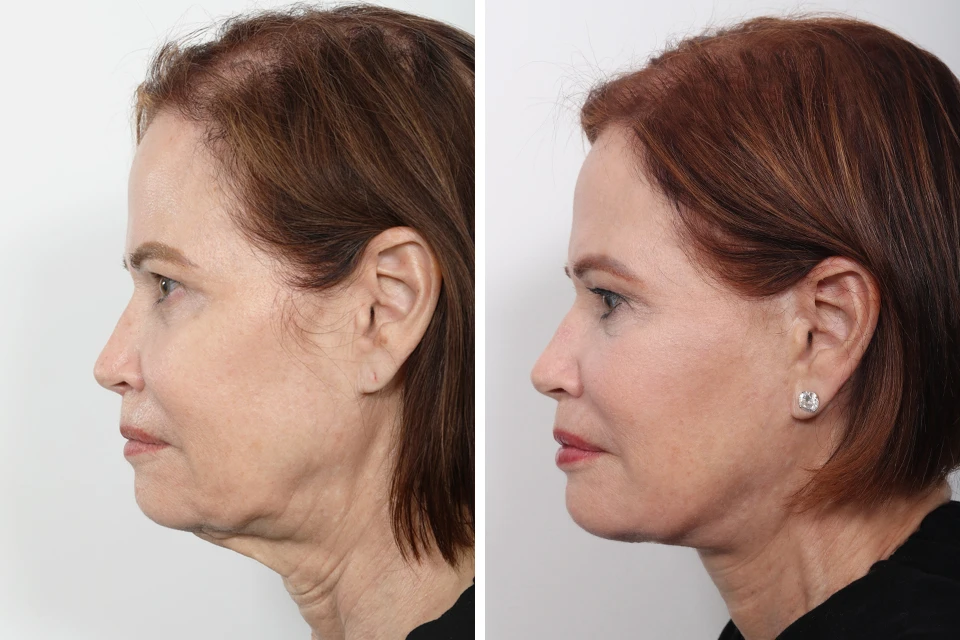
Hair transplant procedures move permanent hair follicles from the donor area to areas with hair loss. Each follicular unit usually contains one to four hairs. Surgeons place these follicles in small openings in the scalp. They match the angle and direction of natural hair growth.
One common method is follicular unit extraction (FUE). In a FUE hair transplant, doctors remove each follicle individually from the donor area. The follicles are then placed into tiny recipient sites. This method allows careful hair implantation and usually leaves minimal visible scarring.
For women, the goal is usually to restore density. Doctors focus on filling thinning areas rather than creating a new hairline. The number of grafts used depends on the donor hair supply and the size of the thinning area.
Differences Between Female and Male Hair Loss
Hair loss patterns in women differ from those in men. Men often develop a receding hairline or bald crown. Women usually experience thinning across the top of the scalp. This difference affects how doctors plan hair transplant surgery.
Female hair loss can have several causes. Hormonal changes, genetics, traction from hairstyles, or certain medical conditions may play a role. A physician must identify the cause before recommending surgery. This step helps ensure the treatment is appropriate.
Doctors usually evaluate the following before recommending hair transplant for women in Mexico:
• stability of hair loss
• enough donor hair follicles
• realistic expectations for density
These factors help determine whether hair restoration surgery can provide meaningful results.
Who Is a Candidate for Hair Transplant for Women in Mexico
A good candidate for hair transplant surgery must have enough donor hair and a stable hair loss pattern. Doctors examine the scalp and donor density before recommending treatment. This evaluation helps ensure that transplanted hair grows well after surgery.
Women with traction alopecia or localized thinning may benefit from female hair restoration in Mexico. Hair loss caused by scars or small bald areas may also be treatable. However, widespread thinning across the scalp may limit the effectiveness of hair transplant procedures.
Common Causes of Female Hair Loss
Female hair loss often develops slowly over time. Hormonal changes and genetics are common causes. Tight hairstyles that pull on the hair may also cause traction alopecia. Stress or certain medical conditions can also affect hair growth.
Doctors examine the scalp to find the cause of hair loss. This step helps decide whether surgery is the right option. In some cases, medical treatment may be recommended before hair restoration surgery.
Female Hair Restoration Mexico Procedures
Modern hair restoration uses several surgical methods. The most common technique is follicular unit extraction. In this method, doctors remove individual hair follicles from the donor area. Each follicle is then implanted into thinning areas.
Another method is follicular unit transplantation. In this procedure, a narrow strip of scalp is removed from the donor area. Doctors divide the strip into grafts before implanting them into the scalp. This method may be used when a larger number of grafts is needed.
Both techniques aim to protect the hair follicles during extraction and implantation. Careful handling of grafts supports healthy hair growth months post surgery.
Follicular Unit Extraction FUE
FUE follicular unit extraction removes individual follicles using small surgical tools. The method does not require a large incision. Because of this, scarring is usually minimal.
During the procedure, doctors carefully implant each graft into the scalp. They match the direction and angle of nearby hair. This process helps transplanted hair blend with natural hair.
Areas Treated With Female Hair Transplant
Hair transplant surgery can treat several areas of the scalp. Doctors often focus on thinning along the frontal hairline or the top of the head. In some cases, eyebrow restoration may also be performed.
The goal is to improve hair density while keeping the result natural. Surgeons calculate the number of grafts needed for each treatment area.
Hair restoration procedures may treat:
• thinning along the hairline
• reduced density on the central scalp
• eyebrow hair loss
Each plan depends on the patient’s hair loss pattern and available donor follicles.
Female Hair Transplant Recovery and Results
Recovery from hair transplant surgery occurs in stages. Small scabs form around the implanted follicles during the first week. These usually fall off within ten days. Patients follow postoperative instructions to protect the grafts.
Many transplanted hairs shed during the first few weeks. This stage is normal and part of the hair growth cycle. New hair usually begins to grow several months after the procedure.
Full results often appear between nine and twelve months after surgery. Hair becomes thicker as transplanted follicles mature. Final results depend on donor density, the number of grafts, and scalp health.
Female Hair Transplant Mexico Cost and Clinics
Hair transplant cost depends on the number of grafts needed and the procedure’s complexity. Clinics in Mexico usually calculate price based on graft numbers. This allows the treatment plan to match the patient’s specific needs.
Some clinics provide general price ranges for common procedures:
• Single area FUE hair transplant, crown or hairline: $4500 – $8000
• Full FUE hair transplant: $6000 – $10000
Patients researching female hair transplant in Mexico often compare clinics in Mexico with options in other countries. Important factors include physician involvement, clinic facilities, and follow-up care.
Factors Affecting Female Hair Transplant Mexico Cost
Several factors influence the total cost of hair transplant procedures:
• number of grafts needed
• complexity of hair implantation
• clinic facilities and surgical staff
These factors affect both the price and the final treatment plan.
Hair Transplant Mexico vs Turkey
Many patients researching hair restoration compare Mexico and Turkey. Both countries have well-known medical tourism industries. Each location offers a wide range of hair transplant clinics.
Differences often relate to clinic structure, physician involvement, and regulatory oversight. Some clinics use high-volume models with large surgical teams. Others focus on physician-led procedures with structured follow-up care.
Travel and Recovery Considerations
Travel planning can affect recovery after hair transplant surgery. Patients traveling internationally must allow time for healing and postoperative follow-up visits. Long travel soon after surgery may increase discomfort.
Mexico offers several cities with specialized hair restoration clinics. Patients often compare locations based on travel access and medical infrastructure.
Monterrey, Cancun, and Tijuana frequently appear in search results for hair transplant procedures. San Pedro, Monterrey, where Hair Transplant Mexico is located, is known for private healthcare centers and specialized physicians.
Travel support can also be helpful for international patients. At Hair Transplant Mexico, travel arrangements are coordinated in advance. Dr. Antonio Aguilar provides hotel accommodation and a private driver to assist patients during their visit. Transportation is arranged between the hotel, clinic, and airport to support safe and convenient travel.