Key Takeaways
- Hair transplant for afro hair in Mexico requires specialized surgical skill because curved hair follicles increase the complexity of extraction and demand a precise technique.
- A full medical evaluation, including donor-area assessment and health screening, is essential to determine candidacy and to protect long-term results.
- Hair transplant cost in Mexico varies with the number of grafts, treatment area, and physician involvement, with structured FUE procedures typically ranging from 4,500 to 10,000 USD.
- Patients often compare hair transplants in Mexico vs. Turkey based on medical oversight, regulatory standards, travel logistics, and continuity of care.
- Final results take time, as transplanted hair sheds early and new hair growth develops gradually over several months, with full cosmetic improvement often visible within one year.
Is Afro Hair Transplant Mexico Effective?
Curved Follicles and Surgical Challenges
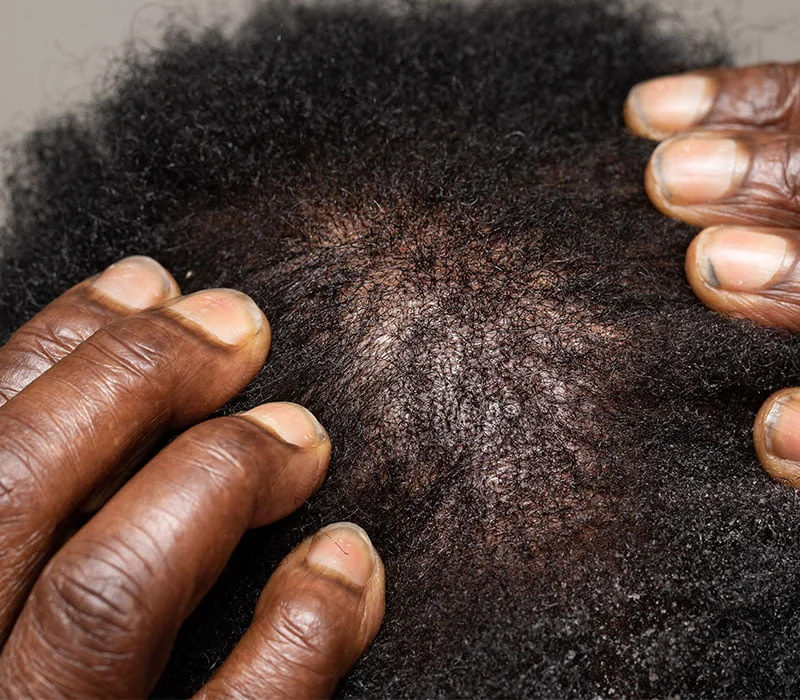
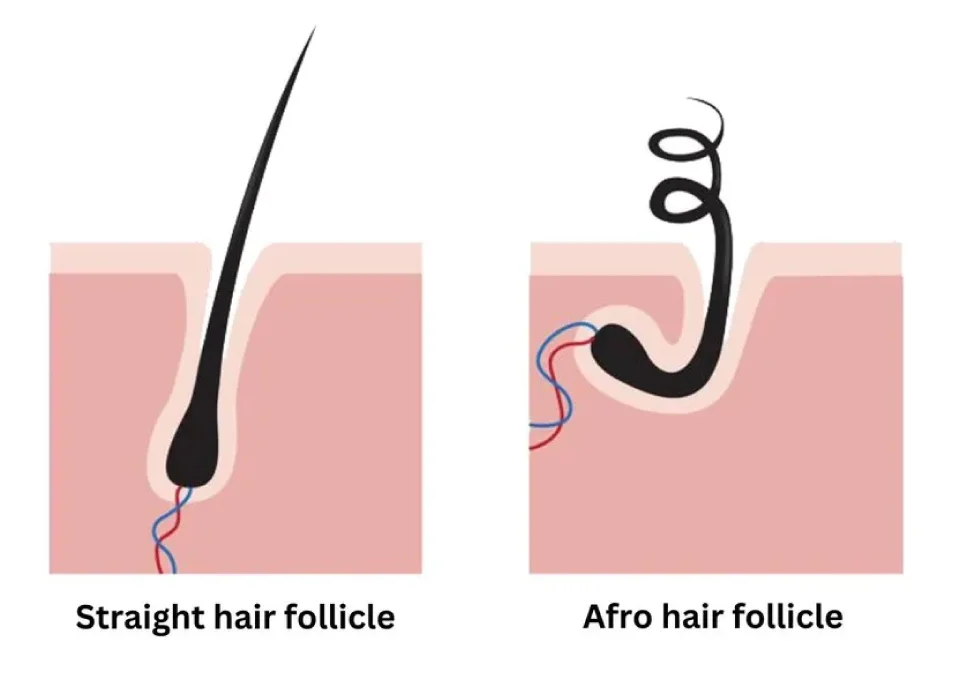
Afro-textured hair follicles grow in a curved path beneath the scalp. This curve increases the risk of cutting the follicle during extraction. If a follicle is damaged, it may not grow after transplantation.
The surgeon must adjust the tool’s depth and angle. Precision is important. Experience reduces risk. Careful extraction supports better hair growth after surgery.
FUE Modifications for Afro Hair
Follicular unit extraction FUE is a common hair transplant technique. In FUE, the surgeon removes individual follicular units one at a time. This method leaves small marks that are often hard to see.
For afro hair, the tool size and angle may change based on curl pattern. The surgeon follows the follicle under the skin. Some clinics use implantation pens to control placement angle. These tools help guide placement but do not replace skill.
Technical Risks and Limitations
Every hair transplant procedure has limits. Some grafts may not survive. Donor hair is limited and must be preserved. Results vary from person to person.
Hair restoration improves density in treated areas. It does not prevent future thinning in untreated areas. Long-term planning is important.
Medical Evaluation and Candidacy
A medical exam determines if someone qualifies for a hair transplant in Mexico. The doctor studies hair loss patterns, donor strength, and overall health. This protects patient safety.
Not every person with hair loss is a candidate. Some may benefit from medication instead of surgery. A structured consultation helps explain options.
Donor Area and Scalp Assessment
The donor area is usually located at the back or sides of the scalp. These hair follicles often resist male pattern baldness. The doctor measures density and checks follicle quality.
In afro hair cases, curl pattern affects extraction planning. Strong donor density improves coverage. If donor hair is weak, the number of grafts may be limited.
Health Screening and Contraindications
The doctor reviews medical history and current medications. Active infections must be treated first. Some medical conditions may delay surgery.
Health screening lowers risk during medical procedures. Safe planning is essential for hair restoration.
Personalized Treatment Planning
The doctor creates a plan based on the number of grafts and the hairline shape. Age and future hair loss are also taken into account. Some patients may need additional sessions later.
Clear planning improves stability. It protects the donor area and supports long-term hair growth.
What to Know Before Surgery
Patients should understand what surgery can and cannot do. Hair restoration improves density but does not create unlimited hair. Clear expectations reduce stress during recovery.
Realistic Density Expectations
Transplanted hair increases fullness. It may not match the youth’s density. Afro-textured hair often appears thicker due to its curl.
Final density varies depending on donor supply and graft number. Results appear slowly.
Shock Loss and Temporary Shedding
Shock loss is a temporary blood loss after surgery. This is normal. Both existing and transplanted hair may shed during the early phase.
New hair growth usually begins after three to four months. Gradual improvement follows.
Recovery Timeline
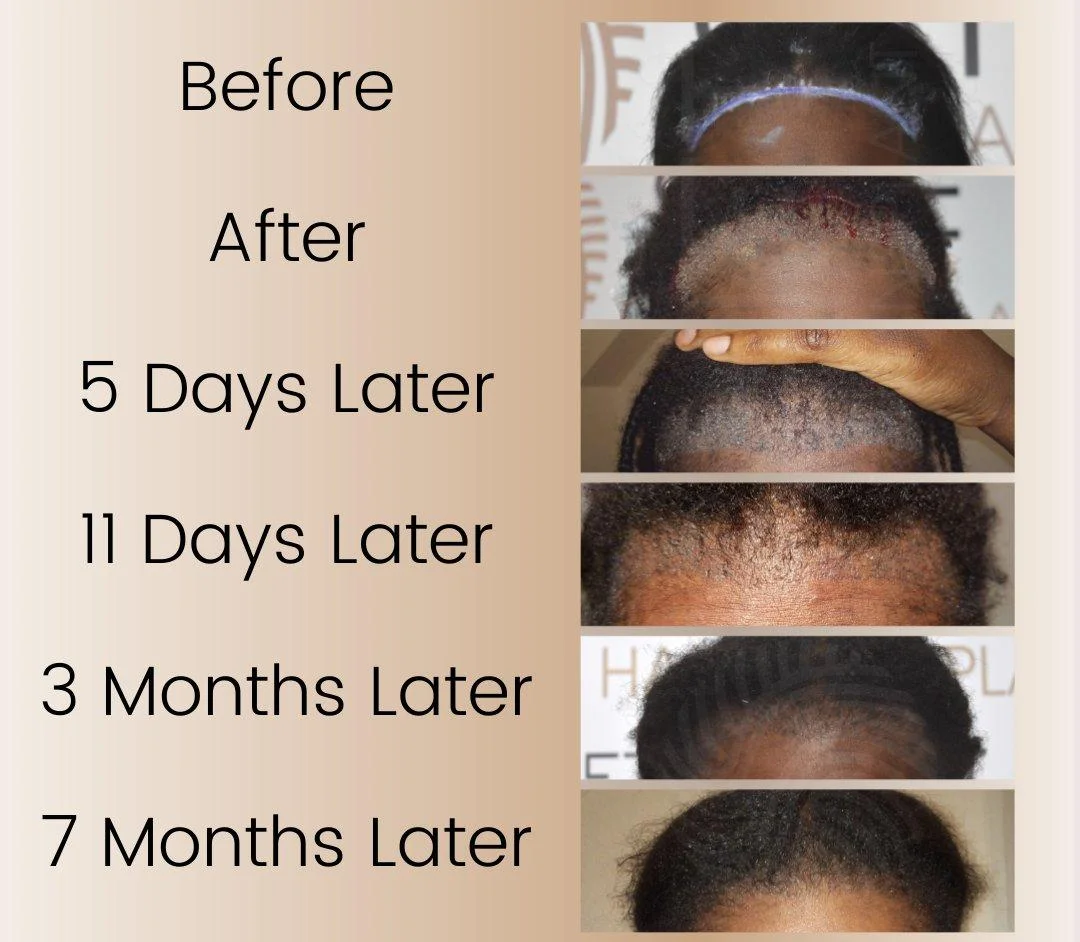
Initial healing takes one to two weeks. Mild swelling and redness are common during the post procedure phase. Most patients return to normal activities within a few days.
Full cosmetic results may take up to twelve months. Patience is important.
Donor Supply Limitations
Each person has limited donor hair. Removing too many grafts can thin the scalp at the back of the head. Balanced extraction protects natural appearance.
Medical advice is important before deciding on the number of grafts.
Areas Treated in Afro Hair Cases
Hair transplant for afro hair in Mexico can treat different areas affected by hair loss.
Frontal Hairline and Crown
The hairline frames the face. Proper angle and spacing create natural results. Curly hair supports strong visual coverage.
The crown often requires more grafts due to its circular growth pattern. Planning is important.
Beard and Mustache Restoration
Facial hair transplants use similar steps to scalp surgery. The surgeon matches natural direction and spacing. Healing is usually smooth.
Density varies depending on the desired thickness.
Eyebrows and Scar Coverage
Eyebrow transplants require a small number of grafts and precise placement. Curl pattern affects styling.
Scar coverage depends on blood flow in scar tissue. A medical exam confirms if grafting is possible.
Afro Hair Transplant Mexico Cost and Price
Hair transplant cost in Mexico varies depending on the number of grafts, the area size, and the clinic’s structure. Many patients compare pricing before selecting a hair transplant clinic. Transparent pricing supports informed decisions.
Procedure Cost Ranges
Typical FUE price ranges include:
- Single area FUE hair transplant, crown or hairline – 4,500 to 8,000 USD
- Full FUE hair transplant – 6,000 to 10,000 USD
- Single area plus full beard FUE hair transplant – 5,500 to 9,000 USD
- Full beard FUE hair transplant – 4,500 to 8,000 USD
These ranges vary depending on graft count and case details.
Cost Per Graft
Some clinics charge per graft. More grafts increase surgical time and cost. Afro-textured hair may require careful extraction, which can affect pricing.
Physician supervision and medical teams also influence total cost.
Travel and Logistics Planning
Patients traveling to Mexico for a hair transplant should plan their hotel and transportation early. Hair Transplant Mexico in San Pedro, Monterrey coordinates hotel stays and transportation before arrival.
Dr. Antonio Aguilar provides a hotel stay and a private driver during the visit. Transportation is arranged between the hotel, clinic, and airport. This helps ensure safe and convenient travel during the procedure.
Factors That Affect Pricing
Hair transplant cost may depend on:
- Number of grafts
- Treatment area size
- Type of hair transplant technique
- Physician involvement
- Postoperative follow-up
Each case requires individual review.
Hair Transplant Mexico vs Turkey
Many patients compare hair transplants in Mexico vs. Turkey when researching treatment abroad. They often look at price, oversight, and travel logistics.
Medical Oversight Differences
Some high-volume centers rely on technician-driven models. Doctor-led clinics keep the physician involved in key steps. Direct oversight improves accountability.
Regulatory and Facility Standards
Health rules vary by country. Patients should review the clinic’s credentials and safety standards.
Clear documentation supports trust.
Travel and Postoperative Logistics
Long flights may increase post-surgery swelling. Follow-up visits may be more difficult over long distances.
Structured post procedure monitoring improves outcomes. Proximity may simplify continuity of care.
Physician Credentials and Training
Verify medical education and surgical experience. Experience with afro-textured hair is important. Skill supports graft survival and natural design.
Doctor-Performed vs Technician-Driven Surgery
Patients should confirm who performs the extraction and placement. Doctor-led procedures provide consistent oversight.
Clear answers improve safety.
Facility Accreditation and Safety Protocols
A clinic in Mexico should maintain sterile operating conditions. Written consent and risk discussion are essential.
Structured follow-up supports long-term results.
Hair Transplant Locations in Mexico
Several cities in Mexico offer hair transplant services.
Hair Transplant Monterrey
Monterrey has modern private hospitals. San Pedro offers a strong medical infrastructure.
Monterrey has modern private hospitals. San Pedro offers a strong medical infrastructure. Care from specialists like Dr. Antonio Aguilar adds another advantage, as he is known for precise techniques, detailed consultations, and a strong focus on natural-looking results.
Patients value his clear communication, ethical approach, and consistent follow-up care. His experience with advanced methods and commitment to patient safety further strengthen the overall quality of treatment. Follow-up care may be easier in this setting.
Hair Transplant Cancun
Cancun attracts medical travelers. Travel access is convenient.
Patients should confirm follow-up plans before returning home.
Hair Transplant Tijuana
Tijuana is near the United States border. Travel time may be shorter for some patients.
Oversight and credentials remain important.
Recovery, Growth Timeline, and Outcomes
Healing Phases
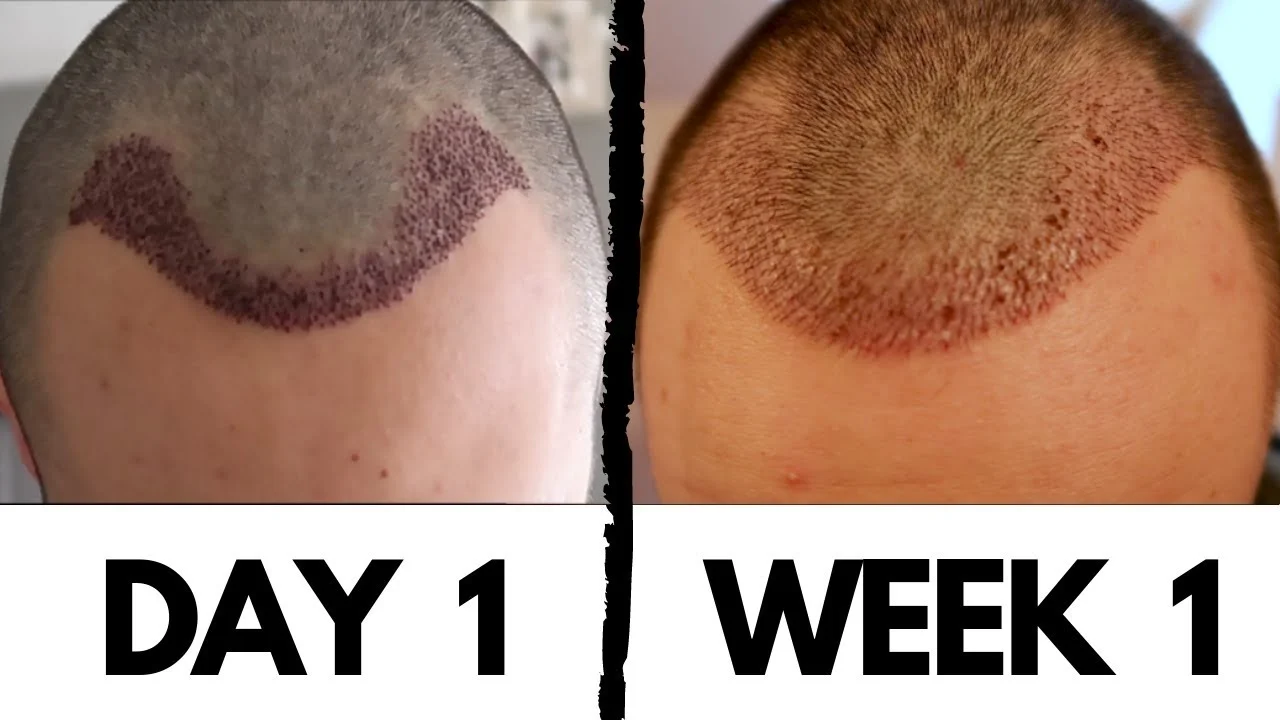
Small scabs form during the first week. Mild swelling and redness are normal.
Gentle washing protects transplanted hair. Surface healing completes within two weeks.
Regrowth Milestones
New hair growth begins after three to four months. Density improves gradually.
Full cosmetic results may take up to twelve months.
Long-Term Outcome Variability
If you are considering a hair transplant for afro hair in Mexico, schedule a professional medical evaluation to understand your candidacy and treatment options. Results vary depending on genetics and donor density. Male pattern baldness may continue in untreated areas. Some patients may require future procedures.
Regular follow-up supports long-term hair restoration and helps maintain stability.
Working with specialists like Dr. Antonio Aguilar can also improve your overall experience, as he provides a hotel stay and a private driver to assist patients during their visit. Transportation is arranged between the hotel, clinic, and airport to ensure safe, convenient travel throughout the procedure.