
Key Takeaways
- FUT hair transplant in Mexico involves removing a strip of donor hair, preparing individual follicular units, and implanting them to restore density in thinning areas.
- Candidacy depends on donor density, scalp flexibility, and stable hair loss patterns, and a medical evaluation is required to determine long-term suitability.
- FUE is an alternative technique that avoids a linear scar and may be preferred by patients who want shorter hairstyles or less donor site tension.
- The cost of FUT hair transplant treatment in Mexico varies depending on graft count, physician involvement, facility standards, and geographic location.
- Safety and long-term results depend on doctor-led procedures, proper regulatory oversight, and structured follow-up rather than location alone.
What Is an FUT Hair Transplant?
A FUT hair transplant is a surgical technique also called follicular unit transplantation. The surgeon removes a thin strip of scalp from the donor area, usually at the back of the head, where hair growth is stable.
Medical staff then separate the strip into individual follicular units containing one to four hair follicles. The physician places these grafts into thinning areas to restore density.
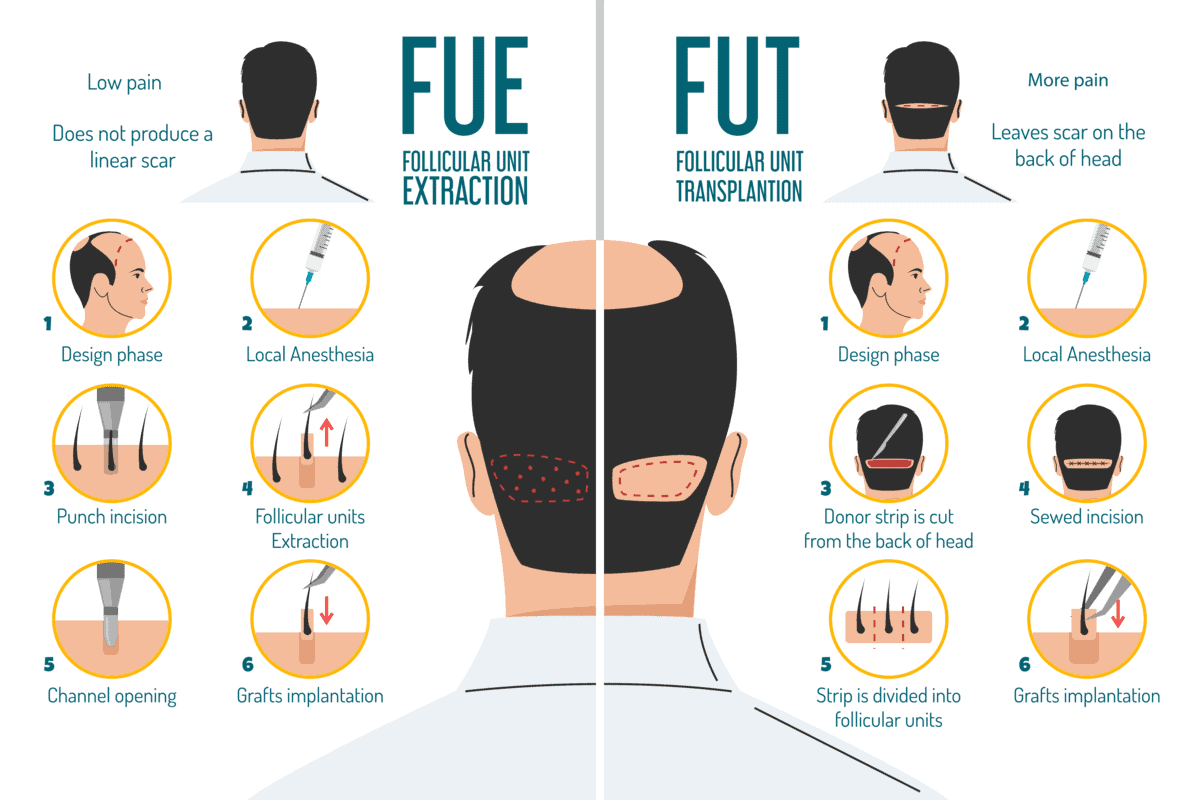
This method differs from follicular unit extraction (FUE), in which grafts are removed one by one rather than in a strip. FUT may allow more grafts in a single session, but it leaves a linear scar in the donor area.
The scar is usually concealed by surrounding hair if it is kept at moderate length. Patients with advanced male pattern baldness sometimes consider FUT when large numbers of grafts are needed.
Who Is a Candidate for FUT?

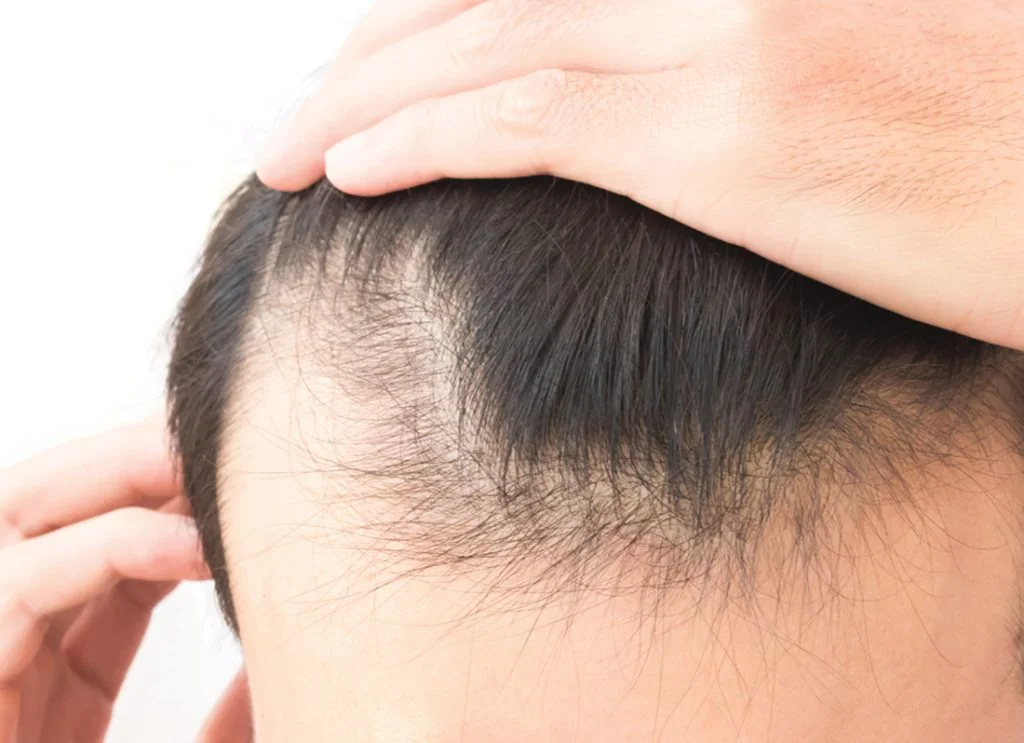
Not every person with thinning hair is a suitable candidate for FUT hair restoration mexico. A physician evaluates the donor area to confirm adequate density and scalp flexibility. Patients with stable hair loss patterns, such as male pattern baldness, often qualify if the donor region remains strong.
A proper medical evaluation includes a review of the patient’s medical history, medications, and scalp condition. The physician also assesses the future progression of hair loss, as transplanted hair should blend with long-term hair loss patterns.
Men and women with diffuse thinning may require careful planning, as results vary depending on donor quality and ongoing hair loss. When donor density is low, other options such as fue hair transplant techniques may be discussed.
FUT vs FUE in Mexico
Patients often compare fut (follicular unit transplantation) with fue (follicular unit extraction). Both are established hair restoration method options used in clinics in Mexico and worldwide. The main difference is how grafts are harvested from the donor area.
FUT removes a strip, resulting in linear scars, while FUE extracts individual grafts, leaving small circular marks. Recovery timelines are similar, although FUT patients may feel more tension at the donor site in the first days. In both methods, the quality of graft placement affects how transplanted hair grows over time.
Many patients consider FUE an important advancement in modern hair restoration. It reduces tension in the donor area and avoids a linear scar. For individuals who prefer short haircuts, have limited scalp flexibility, or want a less invasive harvesting approach, FUE may be the more suitable option.
FUE also allows for flexible graft distribution and can be combined with implantation tools, such as those used in Direct Hair Implantation techniques. These tools assist with angle and depth control during placement, although outcomes still depend on physician planning and graft handling.
FUT Hair Transplant Cost in Mexico
The cost of a hair transplant treatment in Mexico can vary depending on several clinical factors. Clinics usually calculate pricing based on graft count and surgical time. Larger sessions for advanced hair loss require more preparation and implantation.
Common variables include:
- Number of hair follicles transplanted
- Experience of the treating physician
- Facility standards and medical oversight
- Geographic location within Mexico
Costs may also vary depending on whether the clinic is located in Monterrey, Cancun, or Tijuana. A hair transplant clinic in Mexico operating in a major medical hub may have different pricing structures than high-volume medical tourism centers. Patients should request clear breakdowns to understand what is included in the quoted price.
Choosing a Location in Mexico
Patients researching FUT hair transplantin Mexico often compare regions within the country. Monterrey, located in northern Mexico, has a strong private medical infrastructure and established regulatory oversight. Hair Transplant Mexico operates in San Pedro, Monterrey, an affluent area known for modern healthcare facilities.
Cancun attracts international patients due to its travel access and hospitality services. Some clinics in this region focus on medical tourism models. Tijuana is frequently chosen by patients from the United States due to its proximity.
When comparing regions, patients evaluate:
- Physician involvement in surgery
- Regulatory standards
- Structured patient follow-up
- Continuity of care after returning home
These factors influence long-term outcomes more than location alone.
Risks, Recovery, and Expectations
All hair transplant procedures involve surgical risks. After a FUT hair transplant, patients may experience swelling, temporary numbness, or tightness in the donor area. Sutures are removed within days, and the linear scar matures over several months.
Transplanted hair typically sheds in the first weeks, then begins to grow again after 3 to 4 months. Full cosmetic results often appear between nine and twelve months. Outcomes vary depending on graft survival, scalp health, and adherence to post-operative instructions.
Structured follow-up is important. Doctor-led oversight helps monitor healing and address concerns early. In Mexico, as in other countries, patients benefit when the same physician evaluates, performs, and reviews the procedure.
International Comparisons and Safety Considerations
Patients often compare hair transplant procedures in Mexico with options in Turkey or the United States. These comparisons usually focus on cost, regulation, and physician involvement. Regulations and oversight models vary across countries, and understanding whether it is safe to get a hair transplant in Mexico can help patients better evaluate these differences. Some high-volume centers abroad rely heavily on technician-driven models.
A key consideration is whether the surgery is performed by a doctor and medically supervised. Physician involvement affects surgical planning, graft handling, and long-term results. When reviewing clinics in Mexico or elsewhere, patients should confirm licensing, years of experience, and structured follow-up protocols.
Mexico remains a destination that combines value and regulated private healthcare. However, outcomes still depend on individualized evaluation and realistic expectations. A thorough medical consultation remains essential before deciding on any hair restoration method.
If you want a clear medical evaluation to decide whether FUT or FUE is the right option for your case, you can request a consultation at Hair Transplant Mexico with Dr. Antonio Aguilar in San Pedro, Monterrey. Learn more about your options and next steps here: hair transplantation in Mexico.