
Key Takeaways
- ARTAS hair transplant in Mexico is a robot-assisted FUE procedure performed under physician supervision, combining digital scalp mapping with manual graft placement to treat hair loss.
- Candidacy depends on donor area density, hair characteristics, and overall health, and a medical evaluation is required to determine the safe number of grafts.
- Success rates are generally high when performed in proper clinical settings, but outcomes vary based on surgical planning, postoperative care, and individual healing factors.
- The cost of an artas hair transplant in Mexico depends on the number of grafts, clinic standards, and physician involvement, and patients often compare Mexico with other countries based on regulations, oversight, and continuity of care.
- Visible hair growth develops gradually over several months, with final results often taking up to one year and requiring structured follow-up to monitor progress.
Is ARTAS Hair Transplant Available in Mexico?
Yes, the Artas robotic hair transplant is available in select cities in Mexico. Larger cities with private hospitals are more likely to offer the robotic hair transplant system. Not every hair transplant clinic in Mexico uses this technology. Patients should confirm availability during the initial consultation.
Cities Offering Robotic FUE
Monterrey is one city where robot-assisted FUE may be offered. Other large cities may also provide this option. Medical infrastructure often varies by region. Patients should evaluate the clinic in Mexico based on its facilities and medical team, not just its location.
Medical Standards and Oversight in Mexico
Patients often compare Mexico with other countries when researching hair restoration artas in Mexico. They look at medical oversight, clinic standards, and follow-up care. Regulatory systems can differ across countries. It is important to review how a clinic manages surgery and postoperative care.
Physician Supervision Standards
ARTAS is a tool, not a replacement for a doctor. A physician plans the surgery and places the transplanted hair. Doctor-led procedures support safety and planning. Proper supervision reduces risk and supports healthy hair growth.
How Does ARTAS Hair Transplant Work?
Digital Scalp Mapping
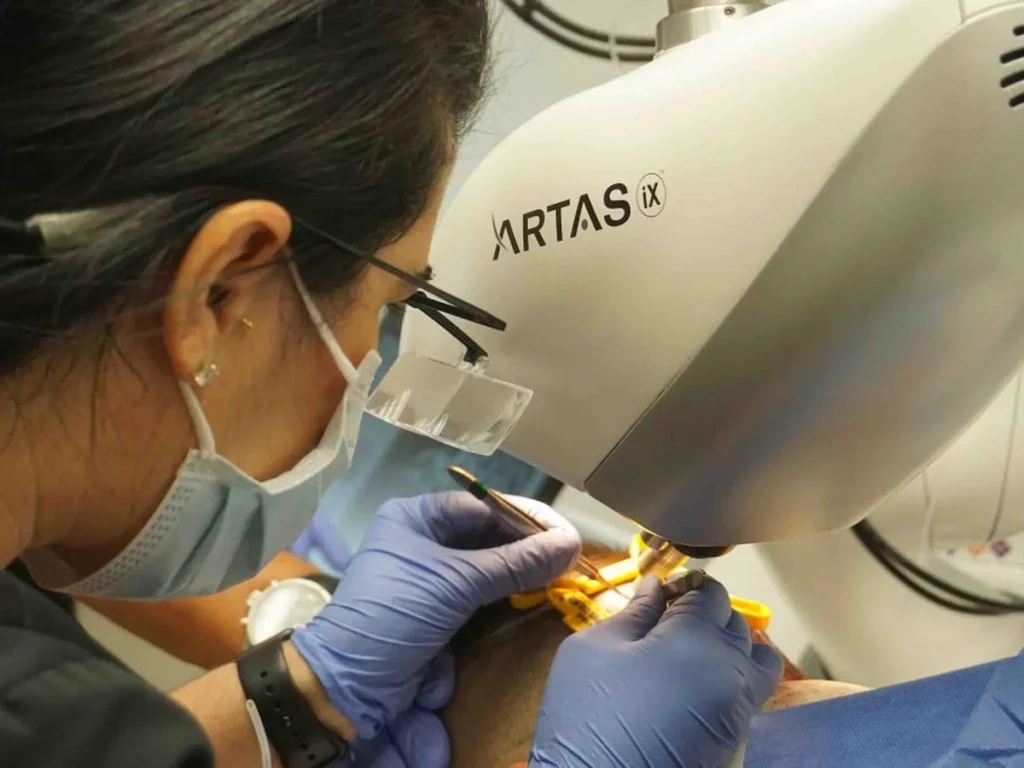
The robotic hair transplant system scans the scalp. It studies hair angle and density. This helps estimate the number of grafts that can be removed safely. The goal is to protect the donor area while creating a natural hairline.
Robotic Follicle Extraction
The ARTAS robotic system removes follicular units one by one. This approach is minimally invasive. It avoids a large incision. A doctor monitors the process and adjusts settings if needed.
Manual Graft Placement
After extraction, the doctor creates tiny sites in the thinning area. The doctor places the transplanted hair by hand. Placement direction affects final hair growth. Careful technique supports a natural look.
Who Is a Good Candidate for ARTAS?
Not all patients with hair loss qualify for a Mexico hair transplant artas. The donor area must have enough strong follicles. An initial consultation helps determine suitability. A clear plan improves outcomes.
Donor Area Evaluation
The back of the scalp is usually the donor area. The doctor measures density and hair quality. Removing too many grafts can thin the donor zone. Careful planning preserves balance.
Hair Type Considerations
Hair thickness and curl pattern can affect robotic detection. Some hair types may require manual support. A combined approach may be used in certain cases. Each patient requires a personalized review.
Medical Contraindications
Some health issues may delay surgery. Active scalp disease or uncontrolled medical conditions can affect healing. A medical history review supports safety. Patients should disclose all health details.
ARTAS Success Rate, Risks, and Limitations
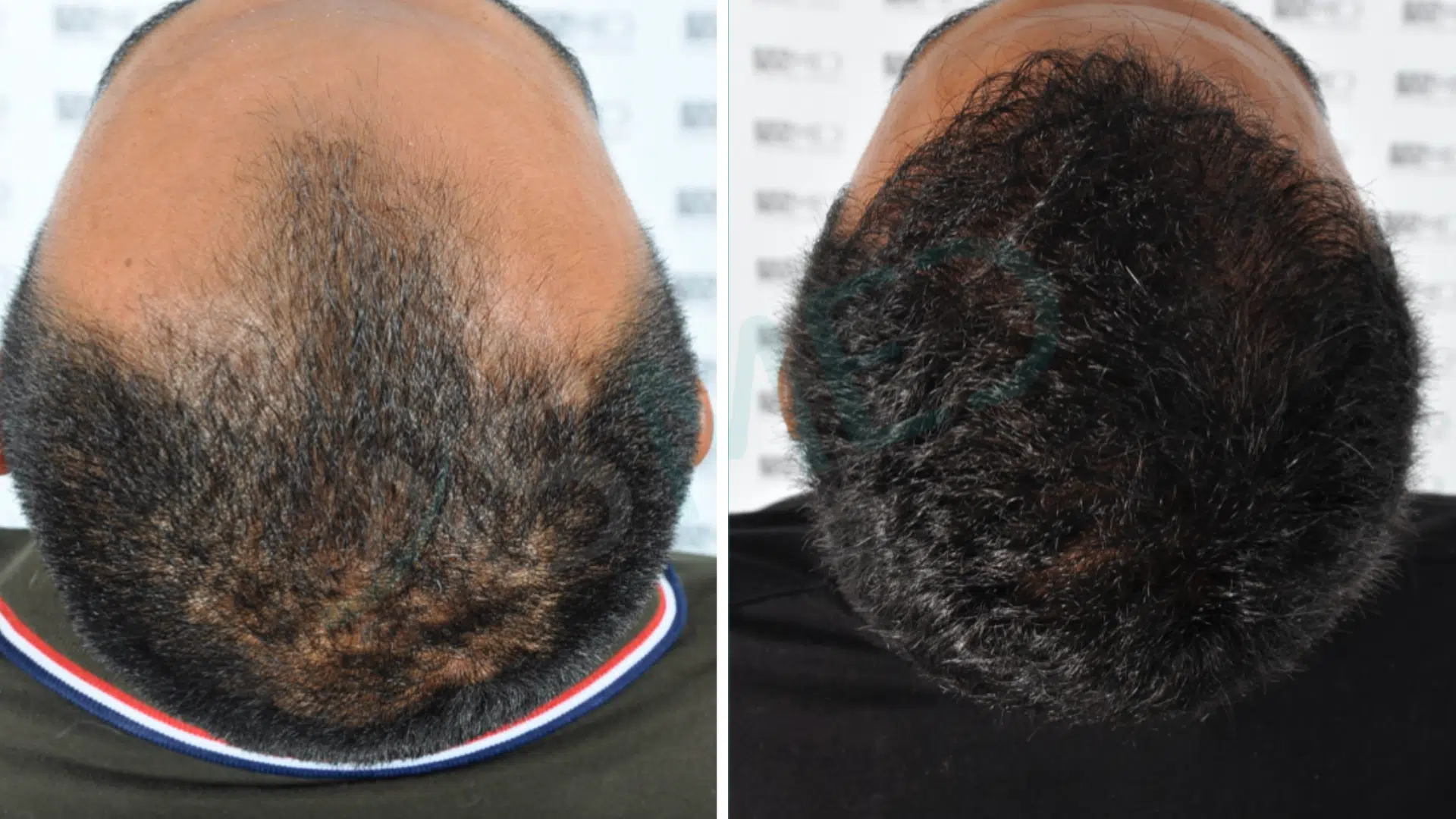
Patients often ask about the success rate and patient satisfaction. Most grafts survive when handled properly. Results depend on planning and post-procedure care. No hair transplant guarantees full density.
Graft Survival Rates
Modern FUE methods show high graft survival rates under proper conditions. Careful handling protects follicles. Healthy donor hair improves long-term hair growth. Surgical skill remains important.
Surgical Risks
Common side effects include swelling, redness, and mild discomfort. Infection is rare but possible. Shock loss can occur temporarily. Clear postoperative care instructions reduce risk.
Robotic System Limitations
The Artas robotic system may face limits with light or curly hair. Manual adjustment may be needed. Technology does not replace medical expertise. Doctor oversight remains essential.
Outcome Variability
Hair growth begins slowly after shedding. Final density develops over months. Genetics and scalp health influence results. Follow-up visits help track progress.
Hair Transplant Mexico Cost
Cost is a common question. Prices depend on the number of grafts and the clinic setting. Physician involvement also affects cost. Patients should request detailed estimates, especially when evaluating how a hair transplant is priced in FUE procedures performed by Dr. Antonio Aguilar.
Typical FUE pricing in Mexico includes:
- Single area FUE transplant (hairline or crown): $4,500 – $8,000
- Full FUE transplant: $6,000 – $10,000
- Single area plus beard transplant: $5,500 – $9,000
Full beard transplant: $4,500 – $8,000
Artas Hair Transplant Mexico Price Range
The artas hair transplant price in Mexico varies by city and clinic. Some clinics charge per graft. Others offer session pricing. Patients should confirm what services are included.
Cost of 3,000 Grafts in Mexico
The cost of 3,000 grafts in Mexico depends on surgical time and complexity. Larger sessions require more planning. Donor density also affects pricing. The exact cost is determined after evaluation.
Mexico Hair Transplant Package Details
Some clinics present package options. These may include consultation, surgery, and medications. Travel and lodging may be separate. Patients should review details carefully.
What Defines the Best Hair Transplant in Mexico?
The best hair transplant in Mexico is defined by clear standards. It depends on medical training, safety protocols, and follow-up systems. Marketing claims should not guide decisions. Patients should focus on measurable criteria related to the safety of hair transplantation.
Physician Credentials
Doctors should have formal medical education and training. Some plastic surgeons and physicians specialize in hair restoration. Licensing and board certification add trust. Experience matters.
Safety Protocols
Clinics should maintain sterile environments. Anesthesia monitoring supports patient safety, and emergency preparedness is part of responsible practice. Minimally invasive does not mean risk-free.
Technology and Facility Standards
Advanced tools such as the ARTAS robotic hair transplant system support precision. Still, technology alone is not enough. Skilled staff and structured follow-up improve outcomes. A strong clinic in Mexico combines both.
Robotic vs Manual FUE
Robotic and manual FUE hair transplant methods both relocate follicles. The main difference is how grafts are removed. Each method has strengths. Selection depends on patient needs.
Precision Differences
Robotic extraction uses imaging software. Manual extraction depends on the surgeon’s control. Both can create a natural hairline. Technique choice should fit the case.
When Manual FUE Is Preferred
Manual FUE may suit certain hair types. It allows flexibility during surgery. Surgeons can adjust depth and angle. Not all cases require robotic assistance.
Clinical Considerations
The number of grafts, hair loss stage, and donor health guide decisions. Some cases use a combined method. Clear discussion during the initial consultation supports informed choice. Individual planning improves patient satisfaction.
Recovery and Medical Follow-Up
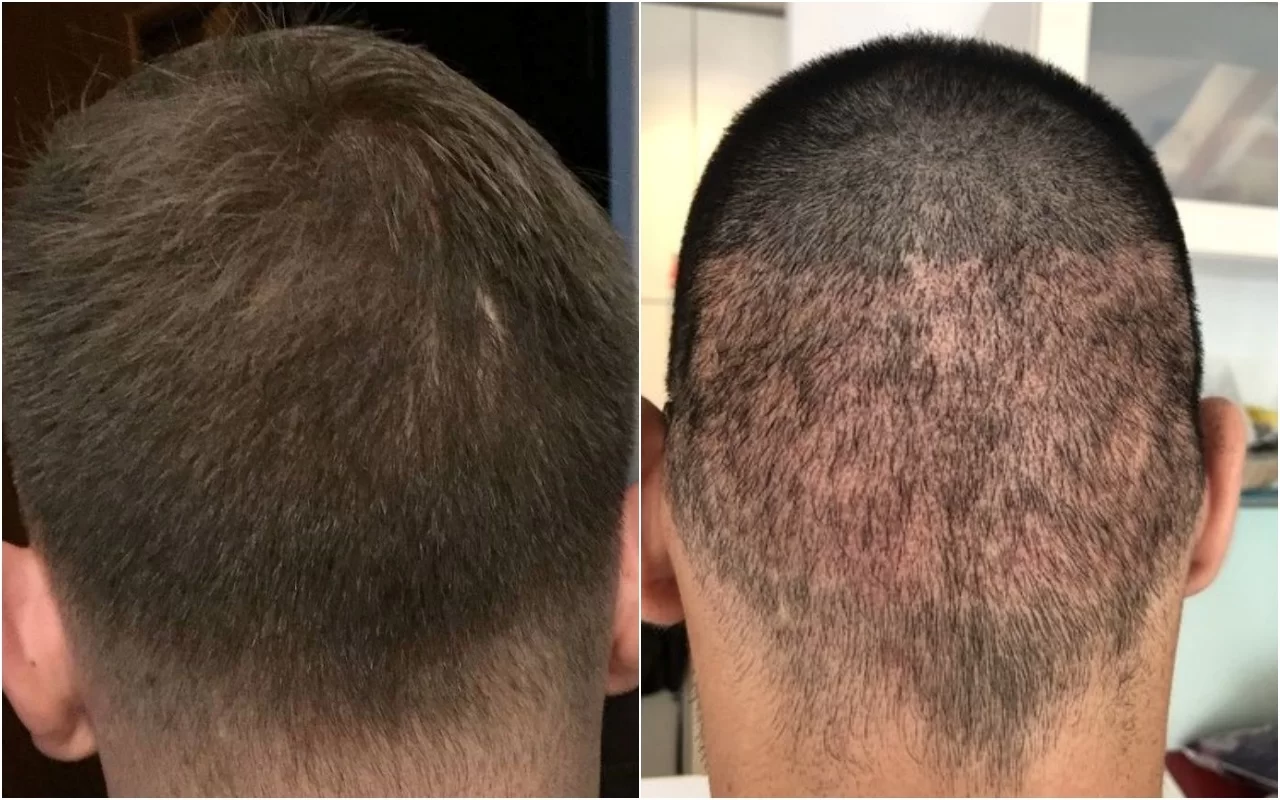
Recovery after hair restoration Artas in Mexico follows a clear timeline. Mild swelling and redness are common. Most patients return to light activity within days. Structured follow-up supports healing.
Immediate Healing
Small scabs form in treated areas. Gentle washing begins after a few days. Patients should avoid heavy exercise briefly. Following instructions supports healthy hair recovery.
Shedding Phase
Transplanted hair often sheds in the first month. This phase is expected. New hair growth begins from the roots. Patience is necessary.
Long-Term Growth Timeline
Visible improvement appears over several months. Final results may take up to one year. Regular follow-up visits help monitor progress. Ongoing care supports lasting hair growth.
If you want a professional evaluation of your hair loss pattern and personalized guidance on whether ARTAS is appropriate for you, schedule a consultation with a qualified physician to review your options and long-term plan.