
Key Takeaways
- Stem cell transplant for hair in Mexico is a regenerative treatment that aims to stimulate existing hair follicles, while a hair transplant surgically moves natural hair to bald areas.
- Stem cell therapy for hair transplant in Mexico may be suitable for early hair thinning, but advanced hair loss often requires graft-based FUE surgery.
- Costs vary by treatment type: regenerative therapy typically ranges from $3,500 – $6,000 USD, and FUE procedures typically range from $4,500 – $10,000, depending on the scope.
- Research suggests that stem cell treatment and platelet-rich plasma may improve hair density in some patients, but results vary, and long-term outcomes remain under study.
- Patients should evaluate physician involvement, regulatory oversight,t such as COFEPRIS standards, and structured follow-up when comparing treatment options and locations.
What Is a “Stem Cell” Hair Treatment in Mexico?
Many clinics refer to regenerative procedures as stem cell hair treatments, but these therapies usually involve mesenchymal-derived cellular products rather than true stem cells capable of creating new follicles.
Mesenchymal cells may release signaling molecules and growth factors that support scalp health and follicle activity. The goal is to create better biological conditions for hair growth in areas affected by thinning hair.
In reality, these treatments fall within the broader category of regenerative hair stimulation therapies, not follicle transplantation.
How does it differ from an FUE hair transplant?
A hair transplant procedure, such as FUE, surgically moves healthy hair follicles from a donor area to areas affected by hair loss.
Regenerative therapies do not move follicles. Instead, they aim to stimulate existing follicles using biologic signals and growth factors.
For patients with significant hair loss, treatment for hair remains the only method to restore density in completely bald areas.
Other Biologic Treatments Used for Hair Restoration
Several biologic approaches may be used in regenerative hair therapy.
Mesenchymal-Derived Cells
Some clinics use mesenchymal stem cell–derived products, which are often described as stem cells in marketing materials. These cells may release signaling molecules that support follicle function and scalp circulation.
However, these products do not create new hair follicles, which is why they differ from surgical hair transplantation.
Exosomes
Another regenerative option involves autologous exosomes, which are small extracellular vesicles that contain signaling proteins and growth factors.
Exosomes may be derived from a patient’s own biological material or produced in specialized laboratories. These biologic preparations are typically stored in sterile vials and injected into the scalp to deliver growth signals that may stimulate follicle activity.
Platelet-Rich Plasma (PRP)
PRP therapy is one of the most commonly used regenerative treatments. It is created from the patient’s own blood and contains concentrated growth factors that may help improve follicle function.
Some protocols also use laboratory-activated growth factors designed to enhance regenerative signaling around hair follicles.
Who Is a Candidate?
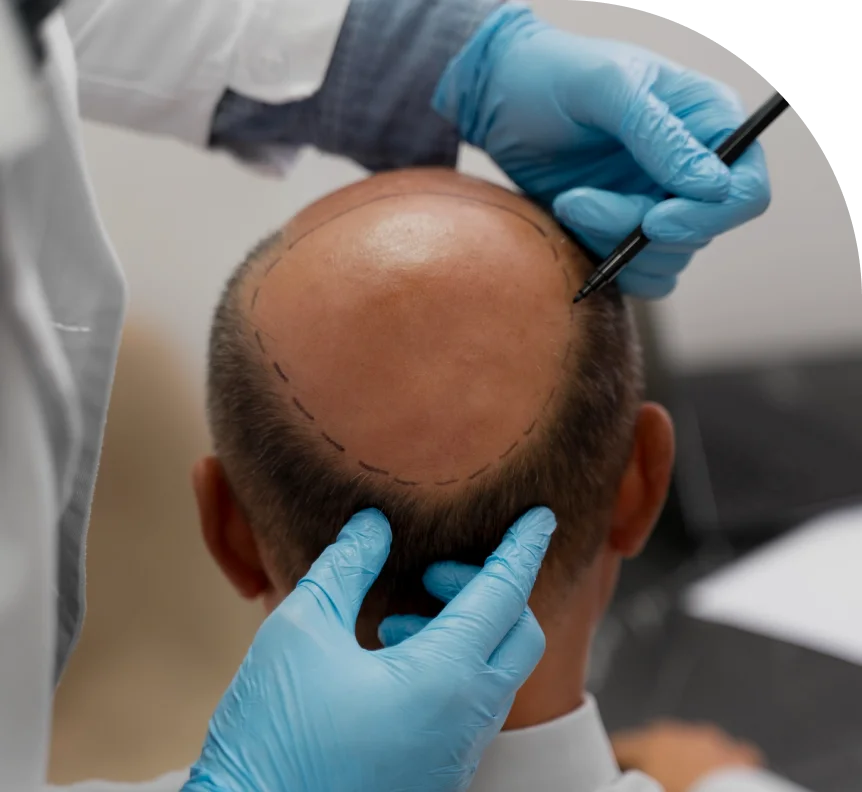
Not every person with hair loss is a candidate forregenerative therapies. These therapies may be more suitable for early hair thinning, when active hair follicles are still present. Patients with advanced baldness often need a surgical hair transplant.
Types of Hair Loss Evaluated
Medical professionals commonly evaluate conditions such as:
- androgenetic alopecia
- diffuse thinning
- scarring alopecia
- Medical causes of hair loss
The presence of viable follicles is essential for regenerative stimulation therapies.
Medical assessment and diagnosis
A proper evaluation includes a scalp exam and medical history. The doctor checks overall health and any medications. This process helps create a safe and realistic treatment plan.
Injection Technique
The physician places small injections into areas affected by hair thinning. These micro-injections target hair follicles and surrounding scalp tissue.
Most patients can resume normal activities shortly after treatment.
Number of sessions required
Some patients have one session. Others may need more than one session spaced over time. Follow-up visits help assess response and adjust hair treatment.
Hair transplant procedures are priced primarily based on graft count and surgical time.
How much does hair restoration cost in Mexico?
Typical FUE pricing in Mexico includes:
- Single area FUE transplant (hairline or crown): $4,500 – $8,000
- Full FUE transplant: $6,000 – $10,000
- Single area plus beard transplant: $5,500 – $9,000
- Full beard transplant: $4,500 – $8,000
These procedures provide permanent follicle relocation, a capability that regenerative therapies cannot achieve.
Cost compared to a surgical transplant
A surgical hair transplant is priced based on graft count and surgical time. Regenerative therapy may not replace surgery in advanced cases. Patients should compare options based on long-term goals and medical advice.
Healing vs visible growth phases
Mild redness or swelling may occur shortly after treatment. Healing usually happens within days. Hair growth develops slowly as the scalp responds to growth factors.
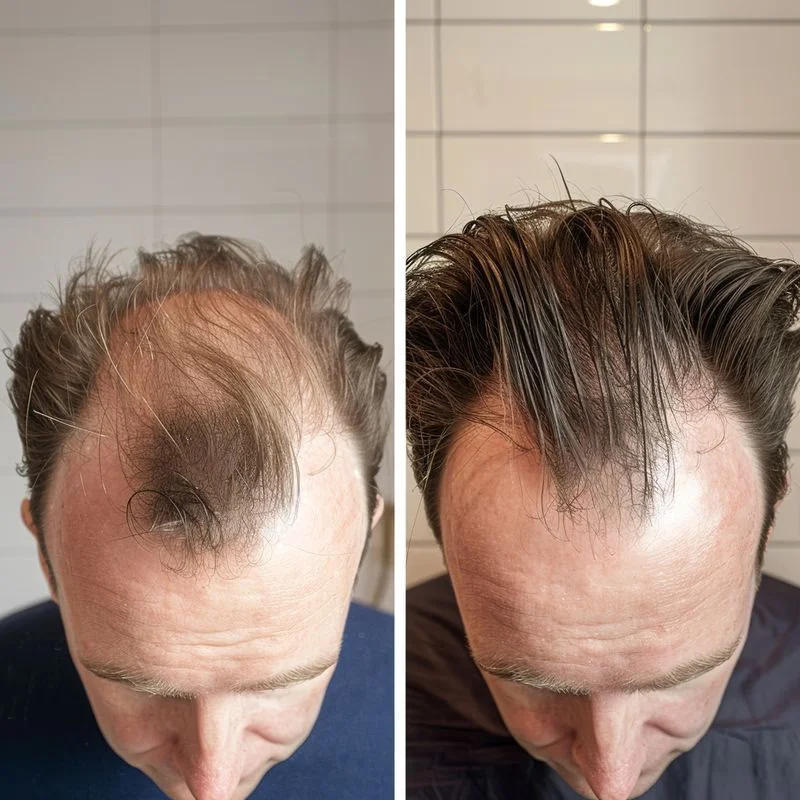
What do 3,000 hair grafts look like?
Three thousand grafts in a hair transplant can provide moderate coverage, often in the frontal area or crown. This comparison helps explain the difference between surgical density and biologic stimulation.
Evidence and Clinical Limits
Research on therapy for hair growth is ongoing. Some studies show improved hair density when stem cell treatment is combined with platelet rich plasma. However, results vary, and long-term data remain limited.
Limits of Current Evidence and Outcome Variability
The duration of the benefit is not fully known. Some patients report improvement for months or longer. Outcomes depend on age, genetics, and scalp health.
Not all patients respond in the same way. A medical professional must carefully evaluate expectations.
Risks and Contraindications
Regenerative hair therapy and treatment are generally low risk when performed under proper medical standards. Temporary swelling or mild discomfort may occur. Infection risk is low but possible if sterile techniques are not followed.
Stem cell–based hair treatments are a newer and avant-garde approach in regenerative medicine designed to stimulate hair growth and support existing follicles.
However, for patients with significant or advanced hair loss, FUE hair transplantation is widely considered the most reliable and established option for restoring hair because it relocates healthy follicles directly to thinning or bald areas.
When treatment should be avoided
Patients with active infections or certain health conditions may not be suitable candidates. A full evaluation helps reduce avoidable risks.
Importance of physician supervision
Doctor-led procedures support patient safety. Structured follow-up allows monitoring and adjustment of the treatment plan.
Evaluating Clinics and Locations in Mexico
Patients researching medical tourism often compare Mexico, the United States, and hair transplant Mexico vs Turkey comparisons. Differences may include regulatory standards, physician involvement, and follow-up systems. Travel and logistics are also important considerations when planning treatment abroad. . Differences may include regulatory standards, physician involvement, and follow-up systems. Travel and logistics are also important considerations when planning treatment abroad.
Hair Transplant Mexico coordinates hotel and transportation services in advance. Dr. Antonio Aguilar provides a hotel stay and a private driver to assist patients during their visit, with transportation arranged between the hotel, clinic, and airport to ensure safe, convenient travel throughout the procedure.
Hair Transplant Mexico operates in San Pedro, Monterrey, Mexico. This region has established private medical facilities and structured care models. Patients should evaluate continuity of care and access to follow-up before choosing any destination.
Doctor qualifications and experience
Physician training in DHI and FUE techniques shows familiarity with modern hair transplant methods. The role of a qualified medical professional remains central in both regenerative and surgical procedures.
Dr. Antonio Aguilar is one of the best surgeons to perform the aforementioned techniques FUE and DHI Hair Transplants in Mexico.
Monterrey, Tijuana, and Cancun considerations
Different regions may offer different clinic models. Some focus on high-volume services. Others emphasize individualized care. Patients should review oversight, communication, and follow-up plans.
Regenerative hair therapiesTherapy vs Hair Transplant Surgery
Stem cell therapy aims to stimulate hair and support existing hair follicles. A hair transplant moves natural hair to bald areas. In many cases, advanced hair loss requires graft-based surgery. Some treatment plans combine stem cell therapy with surgical techniques to support overall hair restoration.
If hair loss has progressed beyond early thinning, FUE hair transplantation remains the most established and effective option for restoring natural hair density.