

Patients who choose clinics with documented physician oversight and transparent protocols generally reduce risk. As with any surgical procedure, outcomes depend more on clinical quality than on geography alone.
Key Takeaways
- Hair transplant safety in Mexico depends on physician oversight, sterile clinical standards, and structured follow-up care rather than geography alone.
- A thorough candidacy evaluation, including a donor area assessment and a review of medical history, is essential before scheduling hair transplant procedures.
- Costs in Mexico vary with the number of grafts and the technique used, and prices are often lower than in the United States, while transparency is still required.
- Comparisons between hair transplant providers in Mexico and Turkey should focus on regulatory standards, surgeon involvement, and continuity of care, rather than relying solely on online opinions.
- Long-term results depend on realistic expectations, careful planning, and ongoing monitoring, as natural hair loss may continue.
Mexico Hair Transplant Safety
The safety of hair transplantation in Mexico depends on the surgeon’s involvement, sterile equipment, and structured follow-up. Many clinics in Mexico operate under national health regulations and licensed facilities. Standards can vary, so patients should review each hair transplant clinic carefully. People often compare countries because medical tourism includes travel, cost, and follow-up planning.
Is Mexico a Good Place for Surgery?
Mexico is close to the United States, which makes travel shorter and follow-up easier. Many clinics offer hair transplant procedures in medical offices with proper oversight. Travel time is usually shorter than to overseas destinations. Patients should prioritize clinical standards over geography alone.
Doctor-Performed Procedures Matter
A physician should evaluate hair loss and design the hairline. In doctor-led models, the surgeon performs or directly supervises graft extraction and placement. Some high-volume clinics abroad rely more on technicians. Clear physician supervision supports the safety of hair transplants in Mexico.
How Safety Is Evaluated Before Surgery
Safety begins with a structured medical evaluation. Hair restoration requires stable hair loss and enough donor hair. A careful review lowers the risk of poor results. Doctors assess medical history and scalp condition before scheduling surgery.
Medical Assessment and Candidacy
The doctor evaluates the pattern of hair loss and donor area density. Age and hair loss stability are important factors. Progressive thinning may require long-term planning. Realistic expectations are discussed before confirming the number of grafts.
Donor Area and Treatment Planning
The donor area supplies hair follicles for transplant. Doctors calculate how many grafts can be safely removed. Overharvesting can thin the posterior scalp. Careful planning protects future hair transplant surgeries.
Informed Consent and Risk Disclosure
Patients receive clear information about risks and recovery. Shock loss, swelling, and scab formation are explained in advance. No clinic can guarantee exact density or final outcome. Written consent supports transparency and patient understanding.
Risks, Recovery, and Long-Term Results
Hair transplant procedures are considered minor surgery, but your body still needs time to heal.
- Risks
You may notice swelling, redness, or mild discomfort in the first days.
Some people experience temporary shedding of transplanted hair.
Serious complications are rare when the procedure is done by an experienced specialist. - Recovery
The first week is key. You’ll need to follow care instructions closely.
Scabs form and fall off naturally within days.
Most people return to normal activities in about 7–10 days. - Long-term results
New hair growth does not happen right away.
You may start seeing changes after 3–4 months.
Full results usually take 9–12 months to develop.
Hair restoration is not instant. It requires patience and a clear plan for long-term hair maintenance.
Common Surgical Risks
Swelling and redness may last several days. Small scabs form around each graft. Infection is rare when sterile protocols are followed. Scarring depends on technique and individual healing.
Recovery Timeline
Patients usually return home the same day after local anesthesia. Light activities often resume within a few days. Shedding of transplanted hair occurs before new growth begins. New hair growth typically appears within three to four months.
What Happens 20 Years After a Hair Transplant?
Transplanted hair follicles are often stable for many years. However, natural hair may continue to thin with age. Some patients may require additional grafts in the future. A medical evaluation helps plan long-term hair restoration.
Hair Transplant Mexico vs Turkey: Safety and Cost
@dr.antonioag90 Why are hair transplants cheaper in Mexico? 🇲🇽🇺🇸 It’s NOT because of lower quality. It’s because of: ✔️ Lower operational costs ✔️ Lower malpractice insurance ✔️ Medical tourism–friendly regulations Same techniques. Same graft survival. Same results. The difference is the system — not the surgeon. ✈️ More patients from the US are choosing Mexico for this reason. #HairTransplantMexico #HairTransplantUSA #MedicalTourism #FUEHairTransplant #HairRestoration
♬ original sound - Dr.Antonio Aguilar
Many patients compare hair transplant Mexico vs Turkey when researching medical tourism. Both countries treat international patients. Travel distance, surgeon involvement, and follow-up care often influence decisions. Safety perceptions vary depending on clinic structure and regulatory oversight.
Surgeon Involvement Differences
Some regions operate high-volume clinics in which technicians perform most of the procedures. In doctor-led clinics, the physician plans and supervises critical steps. Dr. Antonio Aguilar adheres to a structured protocol under defined medical oversight. Clear role definitions improve procedural consistency.
How Much Do 3,000 Grafts Cost in Mexico?
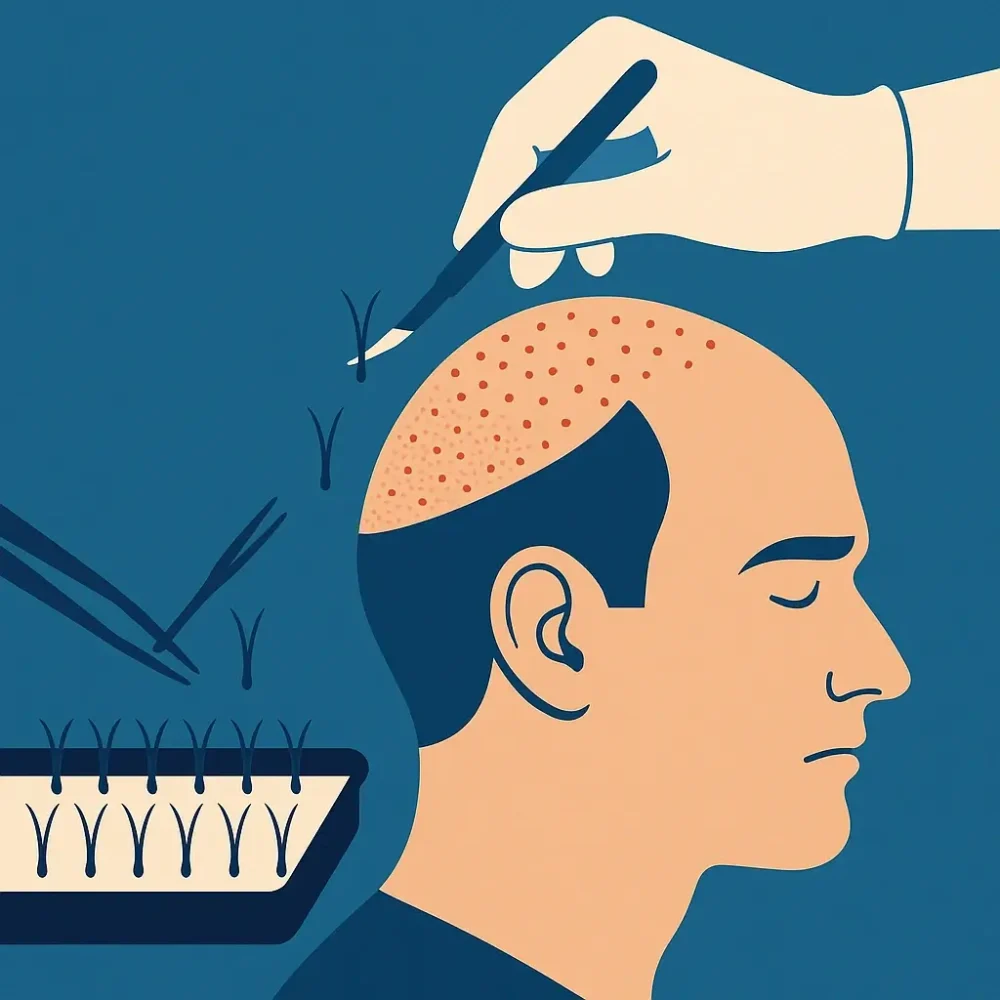
The cost in Mexico depends on the number of grafts, the technique used, and the clinic structure. Pricing may be per graft or packaged. In general, the cost of hair transplants in Mexico is lower than in the United States, which is one reason many patients consider them in Mexico. Travel expenses, flights, and accommodation should also be considered.
Typical price ranges may include:
- Single area FUE hair transplant, crown or hairline – $4,500 to $8,000
- Full FUE hair transplant – $6,000 to $10,000
- Single area plus full beard FUE hair transplant – $5,500 to $9,000
- Full beard FUE hair transplant – $4,500 to $8,000
These ranges depend on the number of grafts and the individual hair loss pattern. Some clinics offer packages that include consultation, medication, and aftercare instructions. Patients should request a detailed explanation of each clinic’s offerings before deciding.
How to Identify the Best Hair Transplant in Mexico
The phrase “best hair transplant in Mexico” often reflects search intent rather than a measurable standard. There is no official ranking system for clinics in Mexico. Patients should evaluate the clinical structure and the doctor’s credentials.
Physician Credentials
Confirm medical degree, surgical training, and experience with hair transplant techniques. Established methods include FUE follicular unit extraction, FUT strip method, sapphire FUE, and DHI. Each method has different scarring patterns and recovery timelines. A qualified physician explains which technique fits the patient’s needs.
Transparent Communication and Follow-Up
Clinics provide written aftercare instructions and scheduled follow-up visits. Structured follow-up supports healing and graft survival. Clear communication improves continuity of care. Ongoing access to medical guidance benefits international patients.
Hair Transplant Locations in Mexico
Clinics in Mexico operate in several major cities. Patients choose locations based on travel convenience and medical infrastructure. Each city offers different logistical benefits.
Hair Transplant Tijuana
Tijuana offers convenient border access for U.S. patients, and its proximity facilitates follow-up. Many clinics in Mexico operate near the border.
Hair Transplant Cancun
Cancun is known for tourism services. Some patients combine medical care with short stays in recovery. Medical scheduling should remain the priority.
Hair Transplant Monterrey
Monterrey has a strong private healthcare infrastructure. San Pedro is an affluent district with modern medical facilities. Hair Transplant Mexico operates within this clinical setting.
Hair Transplant Mexico City
Mexico City offers large hospital networks and urban clinics. Flights from the United States are relatively short. International patients often consider proximity when selecting a center for long-term follow-up.
If you would like a personalized medical evaluation, you may schedule a consultation with Dr. Antonio Aguilar to review your hair loss pattern and treatment options. A direct assessment helps determine candidacy, estimate the number of grafts, and explain which hair transplant techniques are appropriate for your case.
During the consultation, medical history, donor area density, and long-term planning are discussed in detail. This step allows you to make an informed decision based on clear clinical guidance.