
Key Takeaways
- Hair transplant costs in Mexico vary by graft count, treatment area, and technique, with structured FUE procedures typically ranging from mid-four to low five figures, depending on case complexity.
- A thorough medical evaluation, including scalp and donor assessments, determines candidacy and supports long-term graft planning.
- Doctor-performed procedures and structured follow-up care improve safety, accountability, and post-operative monitoring.
- All hair transplant surgeries carry risks, and final density depends on donor supply, graft survival, and individual healing patterns.
- Online pricing claims and “best clinic” rankings often lack medical context; patients should verify graft counts, physician involvement, and written cost details before proceeding.
How Much Does a Hair Transplant Cost in Mexico?
Most clinics give a total price for the full case. Smaller cases fall at the lower end of the range. Larger sessions with more grafts cost more because they take more time.
Hair transplant costs vary based on the extent of hair loss and the areas requiring treatment. A small session for the hairline or crown costs less than a full-scalp case. When researching hair transplant costs in Mexico, people should confirm what the quote includes.
Typical price ranges include:
- Single area FUE Hair Transplant, crown or hairline – $4,500 to $8,000
- Full FUE Hair Transplant – $6,000 to $10,000
- Single area plus full beard FUE Hair Transplant – $5,500 to $9,000
- Full Beard FUE Hair Transplant – $4,500 to $8,000
These prices reflect structured FUE (Follicular Unit Extraction) procedures done under medical supervision. The final transplant cost in Mexico depends on graft count and donor availability.
Cost Per Graft
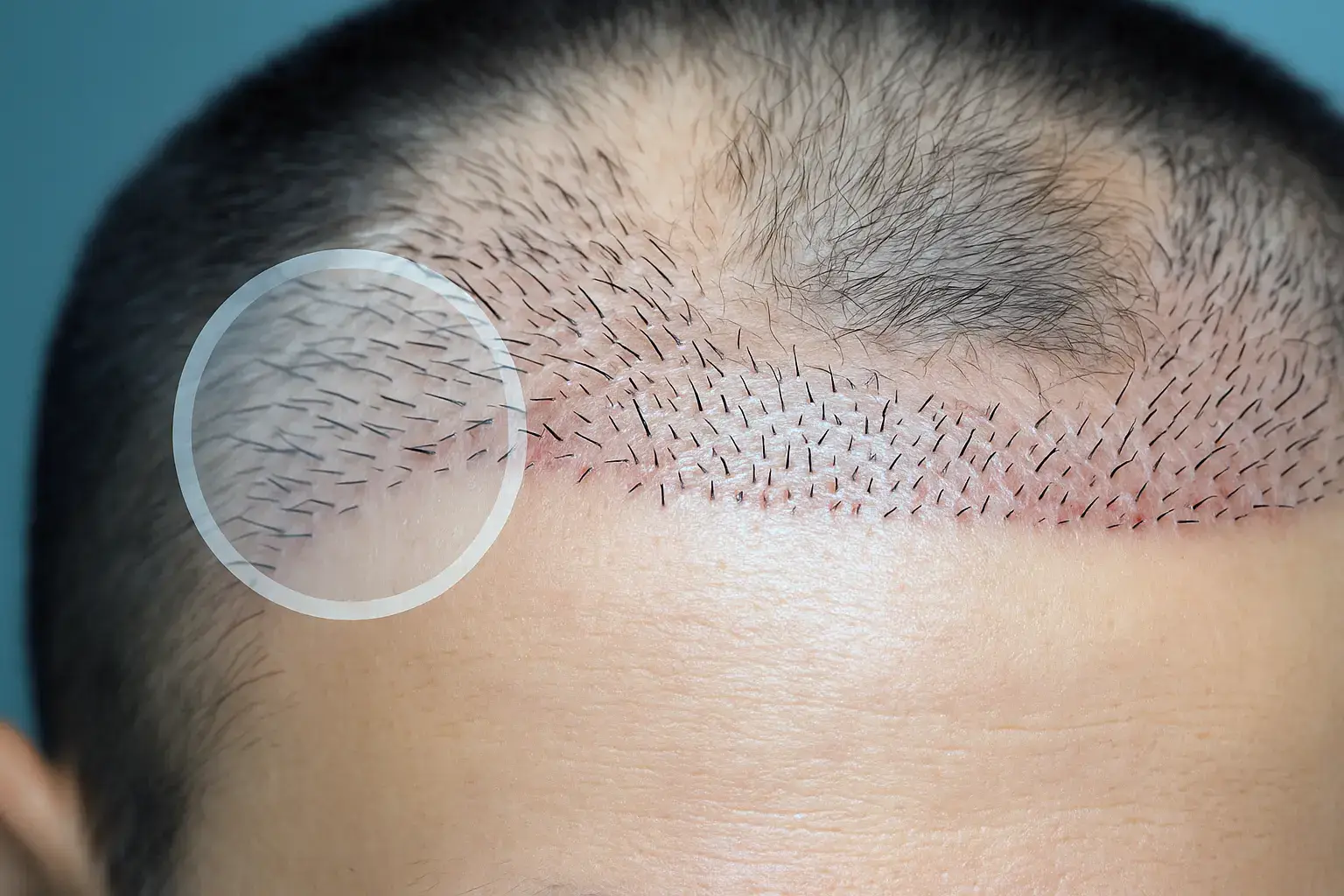
Some clinics charge by the graft. A graft is a small group of hair follicles called follicular units. In Mexico, the cost per graft often ranges from $1 to $3 USD.
The number of grafts depends on the donor area and the extent of thinning requiring treatment. More grafts increase hair restoration cost.
3000 vs 5000 Graft Costs
A 3000-graft hair transplant often costs about $4,500 to $8,000 when treating a single area such as the crown or hairline. This graft range typically addresses moderate hair loss and may fall within standard single-area FUE Hair Transplant pricing. Costs vary based on graft quality, surgeon experience, and case complexity.
A 5000-graft hair transplant usually costs $6,000 to $10,000 or more because it requires longer surgical time and greater donor hair extraction. Larger sessions may be part of a Full FUE Hair Transplant or combined procedures, which increases overall cost. This graft range is used for advanced hair loss affecting multiple areas.
Not all patients qualify for 5000 grafts in one session due to donor supply and safety limits. A medical exam determines the correct graft number and treatment plan. This evaluation helps control cost, protect donor hair, and support long-term results.
What Affects Hair Restoration Cost in Mexico?
FUE Hair Transplant Cost in Mexico
The FUE hair transplant technique, also known as Follicular Unit Extraction, removes grafts one by one from the donor area. This method takes time and skill. It often costs more than older strip surgery.
FUE hair transplant cost in Mexico reflects surgical time and doctor involvement. Patients should ask who performs the extraction and placement steps.
Clinic Location and City
Hair transplants are common in Monterrey, Tijuana, Cancun, and Mexico City. Monterrey has structured private medical centers. Tijuana serves many cross-border patients. Cancun combines medical tourism with travel options.
Location may affect hair transplant cost. Follow-up access and clinic structure also matter.
Surgeon Experience and Technique
Doctor experience affects planning and graft placement. A trained physician understands hairline design and graft survival. Experience also helps reduce risk.
Clinics offering hair transplants under doctor supervision often use stricter medical protocols. Patients should confirm physician involvement.
Cost of Hair Replacement in Mexico: Options
Hair replacement costs depend on the number of grafts, the treatment area, and the surgical method used. Pricing varies by country due to differences in medical regulation, surgeon involvement, and clinic structure.
A transplant focused on the hairline or crown usually requires around 3,000 grafts.
- United States: about $5000
- Mexico: about $4,500 – $8,000
- Turkey: about $2,000 – $4,000
Patients with advanced hair loss often require a larger session of about 5,000 grafts.
- United States: around $25,000 or more
- Mexico: about $6,500 – $10,000
- Turkey: about $3,000 – $5,500
Because of this balance, many patients consider Mexico the best option, offering excellent quality and more manageable costs compared with treatment in the United States.
What Is Included in the Total Cost?
Procedure Fees
Procedure fees often include planning, extraction, and graft placement. Local anesthesia and sterile supplies are typically included in the transplant cost in Mexico. Patients should request a written cost outline from the clinic in Mexico.
Clear paperwork improves understanding.
Post-Operative Care
Follow-up visits allow the doctor to assess the healing process. Recovery begins within days, but visible growth takes months. Good follow-up care supports a stable success rate.
Patients must follow aftercare instructions to reduce the risk of infection.
Mexico Hair Transplant Packages
Some clinics offer travel and hotel packages. These services help medical tourism patients. However, medical supervision remains the most important factor.
Travel support should not replace follow-up care.
Medical Evaluation, Safety, and Candidacy
Scalp and Donor Assessment
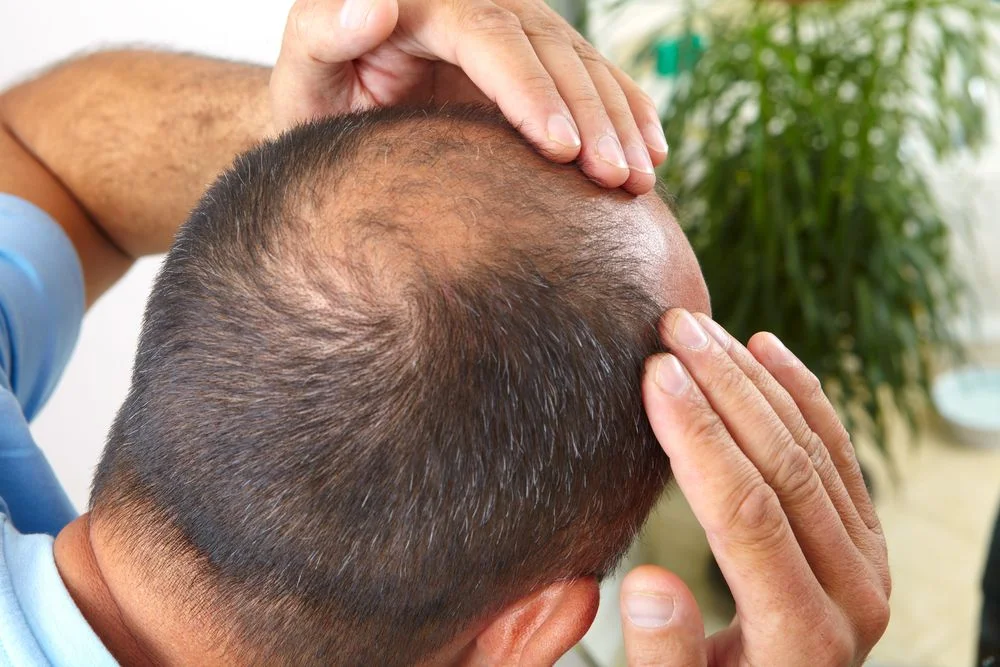
A medical evaluation begins with a scalp exam and hair density check. The physician assesses the donor area to estimate the number of grafts available. Medical history and current hair loss pattern guide treatment planning.
Not every patient qualifies for surgery. Certain health conditions, such as alopecia areata, uncontrolled thyroid disorders, autoimmune diseases, scalp infections, or uncontrolled diabetes, may limit eligibility or require stabilization before treatment.
Unstable hair loss conditions, such as telogen effluvium or active scarring alopecia, can also affect candidacy. A proper exam helps prevent poor long-term results and ensures the procedure is appropriate for the patient’s overall health and hair loss pattern.
Doctor-Performed Procedures
Doctor-led procedures provide direct medical oversight throughout the hair transplant. The physician can manage bleeding, graft handling, and placement decisions in real time. This level of supervision supports safety and accountability.
Clinics that offer hair transplants with physician involvement often follow structured surgical protocols. Patients should confirm who performs both the extraction and implantation steps.
Risks and Recovery Timeline
All hair transplant surgeries carry general surgical risks. These may include infection, swelling, temporary shedding, or uneven growth. Proper hygiene and post-operative care reduce these risks:
- Gentle scalp washing.
- Avoid direct sun exposure.
- Sleeping with the head elevated.
- avoiding strenuous activity for several days.
Recovery usually begins within a few days as redness and swelling gradually decrease. During the first week, small scabs form around the grafts and typically fall off within 7 to 10 days with gentle washing. Temporary shedding of the transplanted hairs often occurs within the first few weeks, which is a normal part of the cycle.
New hair growth usually begins around three to four months after the procedure. Final density and visible results develop gradually over 9 to 12 months, depending on graft survival and individual healing.
Setting Realistic Expectations
Hair restoration improves coverage but does not create unlimited density. The donor area limits the number of grafts available. Long-term planning helps protect future options.
Patients should discuss expected coverage, density, and possible future hair loss before surgery.
Evaluating Online Cost and “Best” Claims
Online forums often list pricing examples without a medical context. Many posts do not specify graft count, technique, or physician involvement. Without these details, cost comparisons can be misleading.
Patients researching hair transplant cost in Mexico should request written quotes from licensed providers. Clear documentation reduces confusion and supports informed decisions.
The term “best hair transplant clinic” appears frequently online, yet there is no universal medical ranking system. Outcomes depend on patient biology, graft handling, and follow-up care.
Instead of focusing on marketing claims, patients should review physician training, procedural oversight, and structured follow-up. These factors carry more clinical value than online labels.
Hair Transplant Mexico vs Turkey
Cost Comparison
Patients often compare hair transplant costs in Mexico and Turkey, but cost should not guide the decision, as regulation and medical oversight vary by region. When comparing cost, safety, and long-term results, many patients view Mexico as a strong option because it balances medical quality with accessibility.
Turkey often promotes lower prices through high-volume medical tourism packages. In some clinics, procedures vary widely; they are not performed by doctors.
|
Procedure |
Mexico (Typical Range) |
Turkey (Typical Range) |
|
Single Area/ Full Beard FUE Hair Transplant |
$4,500 – $8,000 |
$2,000 – $4,000 |
|
Full FUE Hair Transplant |
$6,000 – $10,000 |
$2,500 – $5,000 |
|
Single Area + Full Beard FUE Hair Transplant |
$5,500 – $9,000 |
$3,000 – $5,500 |
Mexico generally has higher costs, but procedures are performed directly by licensed surgeons, with easier travel and shorter flights for North American patients. By contrast, clinics in Mexico typically operate under clearer medical regulation and direct physician supervision, which supports safer procedures and more consistent outcomes
Travel and Logistics
We coordinate hotel and transportation services in advance. Dr. Antonio Aguilar provides a hotel stay and a private driver to assist patients during their visit. Transportation is arranged between the hotel, clinic, and airport to support safe and convenient travel throughout the procedure timeline.
Careful planning and coordinated support allow patients to focus on the procedure and recovery rather than travel logistics.
Planning often includes scheduling flights to avoid a same-day return after surgery, choosing accommodations near the clinic, and arranging transportation for medical appointments. Additional support may include language assistance for international patients and access to an emergency contact during the recovery period.
If you are considering a hair transplant in Monterrey, contact Dr. Antonio Aguilar’s team to schedule a consultation and learn how to reduce post-procedural travel stress