
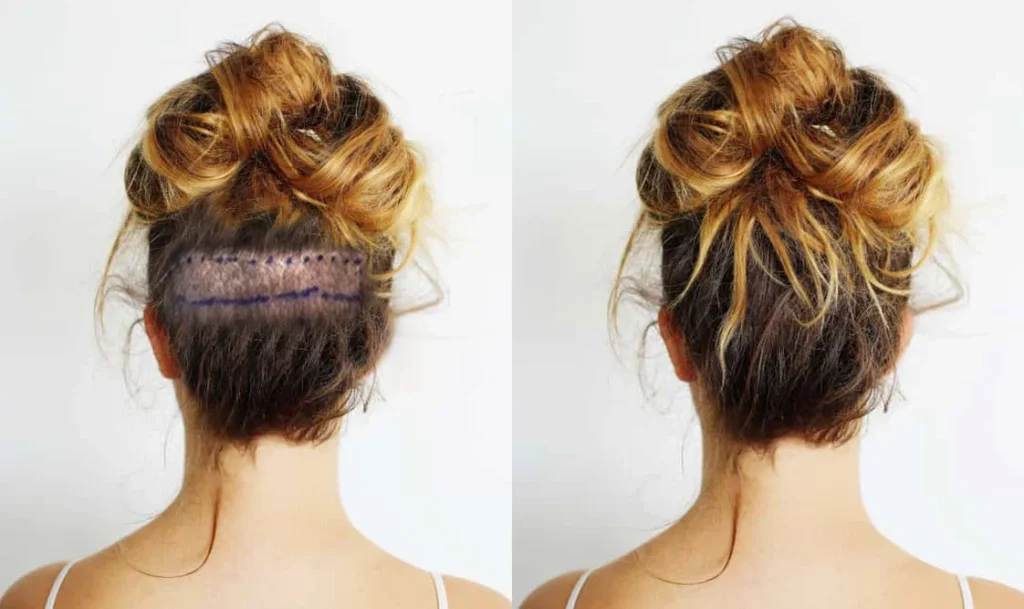
Both countries perform modern FUE (Follicular Unit Extraction) and DHI (Direct Hair Implantation) procedures, but regulatory structures and patient logistics can vary. Patients should evaluate surgeon supervision, donor management planning, and long-term strategy before making a decision.
The sections below explain these differences in clear medical and practical terms.
Key Takeaways
- Choosing between Mexico and Turkey for a hair transplant depends on medical oversight, total travel cost, and access to structured follow-up care, not just the advertised procedure price.
- Doctor involvement, donor area planning, and realistic graft expectations are critical determinants of long-term outcomes in both countries.
- High-volume clinic models may reduce cost, but patients should confirm who performs each step of the procedure and how supervision is structured.
- Travel distance and follow-up logistics are important, particularly if concerns arise during recovery or if additional sessions are required.
- Successful outcomes rely on proper candidacy evaluation, careful technique selection (e.g., FUE or DHI) and clear communication about risks and variability.
Is a Hair Transplant Better in Mexico or Turkey?
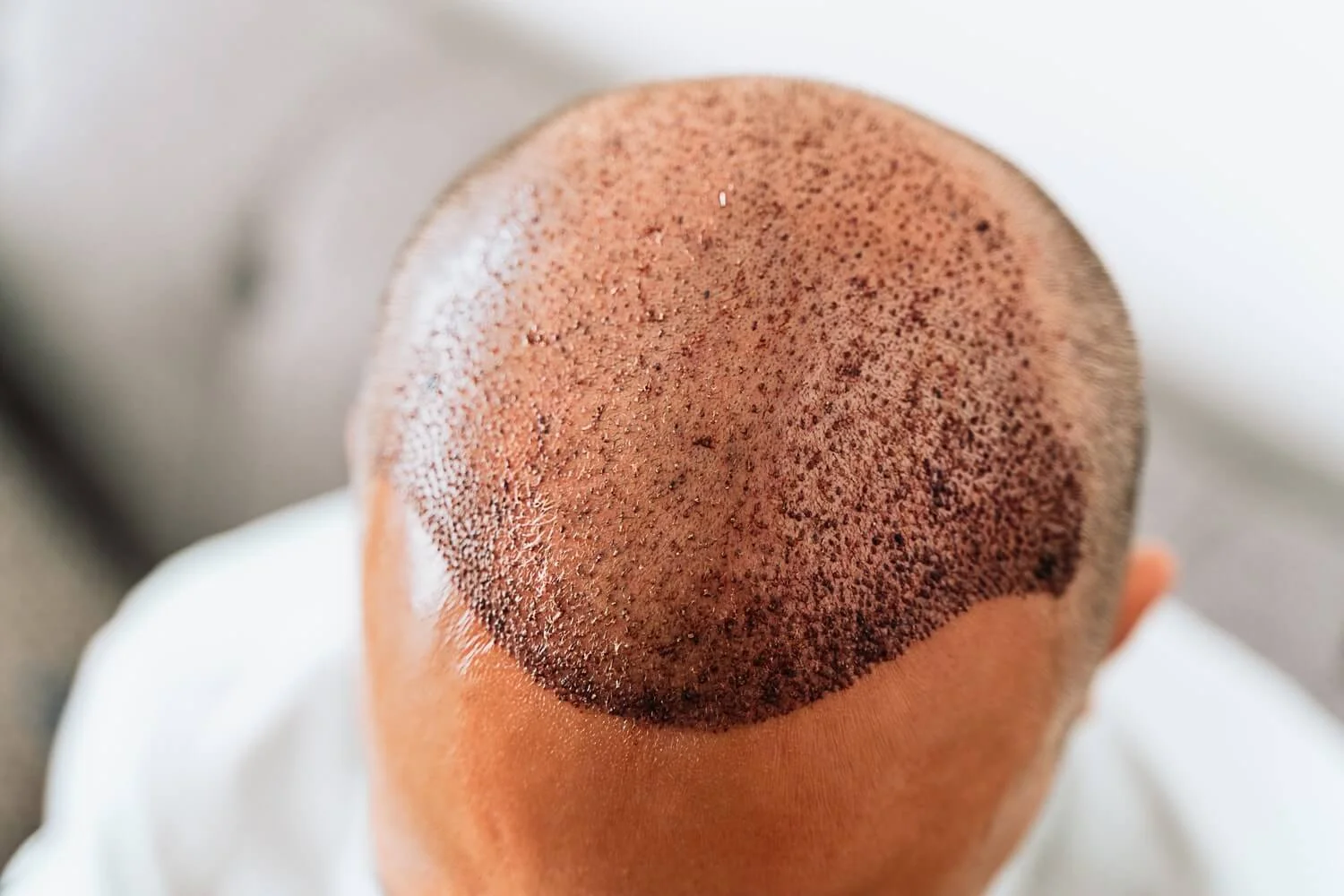
There is no single answer. The better choice depends on your goals, budget, and travel needs. When patients research hair restoration mexico vs turkey, they usually compare quality, price, and doctor involvement. A clear comparison requires looking beyond cost alone.
Quality and Medical Standards
Quality depends on the clinic and the surgeon. In both Mexico and Turkey, clinics offer FUE and DHI techniques. The main difference often relates to how involved the doctor is. Patients should confirm that a licensed physician supervises the surgery and designs the hairline.
Hair Transplant Mexico vs Turkey Price
Price varies by clinic, graft count, and level of physician involvement. Some packages include hotel, transportation, and medication, while others separate those costs. In Mexico, a single-area FUE hair transplant, such as the crown or hairline, typically ranges from $4,500 to $8,000.
A full FUE hair transplant generally ranges from $6,000 to $10,000, depending on graft number and surgical complexity.
Patients should also consider flights, follow-up visits, and exchange rate differences when comparing Turkey and Mexico. A lower advertised price does not always reflect the total cost once travel and recovery logistics are included.
How Much Is 5000 Grafts in Turkey?
The price for 5000 grafts varies by clinic and service model. High graft numbers require careful planning of the donor area. Removing too many grafts can reduce density in the back of the scalp. Patients should ask how graft counts are calculated and who performs each step.
Safety, Oversight, and Medical Evaluation
Safety is a main concern when comparing Mexico and Turkey. Hair transplant surgeries require sterile tools and medical supervision. Rules and oversight systems differ between countries. Patients should ask clear questions about training and clinic standards.
Is Mexico Good at Hair Transplants?
Mexico has a strong private healthcare sector. Major cities such as Monterrey provide licensed medical facilities. Hair transplants in Mexico take place in regulated clinics. Patients should verify the surgeon’s credentials and the facility’s licensing.
Is It Safe to Go to Mexico?
Safety depends on the clinic, not just the country. Patients should check emergency access and infection control standards. Clear pre-operative evaluation also improves safety. Travel distance may affect follow-up care if concerns arise.
Doctor vs Technician Procedures
In some clinics, technicians perform parts of the surgery. In doctor-led models, the physician plans and supervises all key steps. Direct doctor involvement supports accurate graft placement. Patients should understand who will perform the extraction and implantation.
Licensing and Regulation Standards
Each country has its own medical rules. Clinics offer services within national licensing systems. Patients should request proof of training and experience. Transparent documentation supports trust.
Who Is a Good Candidate?
- Adults with stable hair loss patterns that have not changed rapidly in recent years.
- Individuals with sufficient donor hair density in the back or sides of the scalp.
- Patients in good general health without uncontrolled medical conditions.
- People with realistic expectations about density, timeline, and possible need for future procedures.
- Individuals willing to follow post-operative care instructions and attend follow-up visits.
Donor Area Limits and Risks
The donor area must stay healthy for future needs. Overharvesting can thin this area. Risks include swelling, infection, scarring, and uneven growth. No procedure can guarantee exact density.
Informed Consent and Treatment Planning
Informed consent explains risks and expected results. Patients should receive written details and clear instructions. Planning includes graft estimates and hairline design. Honest discussion prevents confusion later.
Techniques and Surgical Planning
Technician involvement varies by clinic, but the safest approach is to have the procedure performed by licensed doctors under direct medical oversight. In physician-led clinics, the doctor plans the surgery and performs the key steps, including graft extraction and implantation.
This level of medical involvement improves surgical planning, placement accuracy, and overall patient safety.
FUE vs DHI Explained
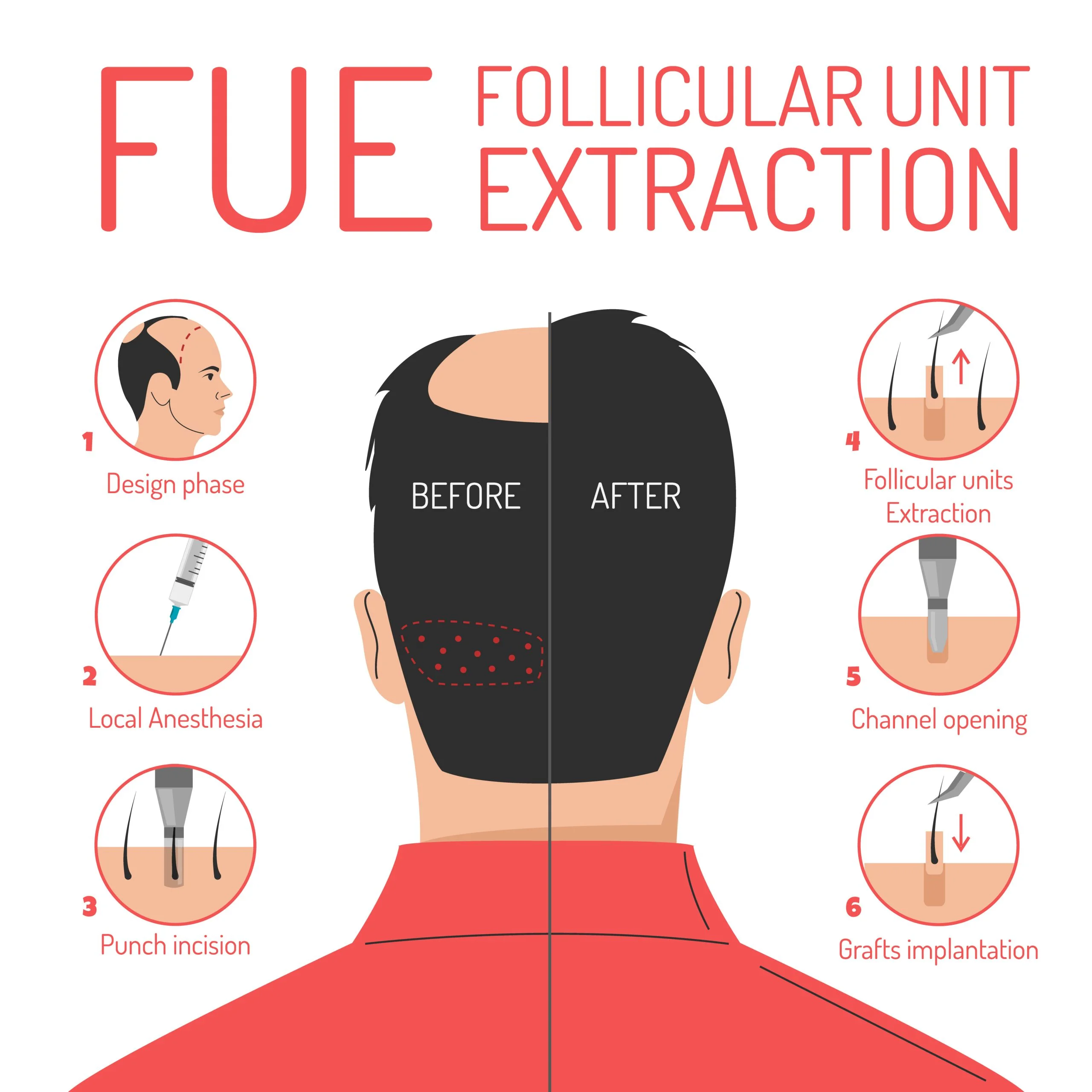
FUE removes individual follicular units from the donor area and places them into thinning areas with precision. It avoids a linear scar and allows flexible graft planning. Many patients prefer FUE because it supports natural-looking results. Outcomes still depend on proper evaluation and surgical skill.
Graft Handling and Density Planning
Each Graft must remain hydrated in a controlled solution and be kept outside the body for the shortest time possible to maximize survival rates and minimize risk.
Careful placement helps them grow well. The surgical team must handle grafts carefully to prevent damage that can reduce growth. Placement at the correct angle, depth, and direction supports a natural look and healthy blood flow.
Density planning should factor in your age, donor supply, and likely future hair loss so the result still looks balanced years later.
Long-Term Hair Strategy
Hair loss often continues over time. A long-term hair strategy combines careful surgical planning, medical therapy, and follow-up evaluations to maintain natural hair density as hair loss progresses. Donor management is important for long-term goals, and a single session may not complete a full restoration.
The donor area contains a limited number of grafts, so surgeons must distribute them carefully to preserve graft availability for future treatments. Experienced physicians design the hairline and density to look natural today while preserving options for additional sessions if hair loss continues.
For some patients, a second session may help improve density or address new areas of thinning.
Follow-up care is also important. Hair loss patterns can change over time, and periodic evaluations allow a physician to monitor progress and recommend adjustments if needed. Dr. Antonio Aguilar focuses on long-term planning, donor preservation, and medically supervised procedures.
Hair Transplant Mexico: Cities and Clinic Research
Many people ask, where can I find the best hair transplant? Quality depends on training, planning, and supervision. Clinics offer different service levels. Patients should review experience, not just marketing.
Mexico offers several cities known for medical tourism. Each location provides different travel advantages.
Hair Transplant Monterrey
Monterrey is a major medical hub in northern Mexico. San Pedro has modern private hospitals. Its location near Texas shortens travel time for many U.S. patients.
Monterrey is one of the leading medical hubs in northern Mexico and is widely recognized for its advanced private healthcare sector. Areas such as San Pedro Garza García are home to modern private hospitals and specialized medical clinics that attract patients from across Mexico and internationally.
Its location near the Texas border also makes Monterrey especially convenient for patients traveling from the United States.
Hair Transplant Tijuana
Tijuana offers border access for patients from California. Many clinics provide short-stay procedures. Follow-up visits can be simpler for nearby residents.
Hair Transplant Mexico City
Mexico City has a large hospital network. It serves domestic and international patients. Travel distance may vary by departure city.
Hair Transplant Cancun
Cancun combines tourism with recovery stays. Some clinics offer structured travel packages. Flight access is broad from many U.S. cities.
High-Volume Clinic Model
Some clinics perform many hair transplant surgeries each day. This can lower costs. It may also limit the time per patient. Patients should ask about the surgeon’s availability.
Technician Participation in Surgery
Technician involvement varies by clinic, but the safest approach is to have the procedure performed by licensed doctors under direct medical oversight. In physician-led clinics, the doctor plans the surgery and performs the key steps, including graft extraction and implantation.
This level of medical involvement improves surgical planning, placement accuracy, and overall patient safety.
Travel Distance and Logistics
Flights from the United States to Turkey are long. Time zone changes may affect comfort during recovery. Follow-up visits require international travel.
Recovery and Follow-Up Planning
Recovery planning supports safe results. Patients should understand what to expect after surgery.
Post-Operative Timeline
Swelling and redness often appear in the first week. Transplanted hairs may shed before regrowth begins. Visible growth develops over several months.
Travel After Surgery
Short travel may feel easier during early recovery. Long flights can increase fatigue. Patients should follow the washing and activity instructions carefully.
Access to Follow-Up Care
Follow-up visits monitor healing and growth. Local access can simplify care if questions arise. Continuity supports stable outcomes in hair transplant Mexico and other regions.
Key Topics Summary
If you are comparing options, schedule a consultation to review your candidacy, surgical plan, and follow-up expectations with a qualified physician before making a decision.