
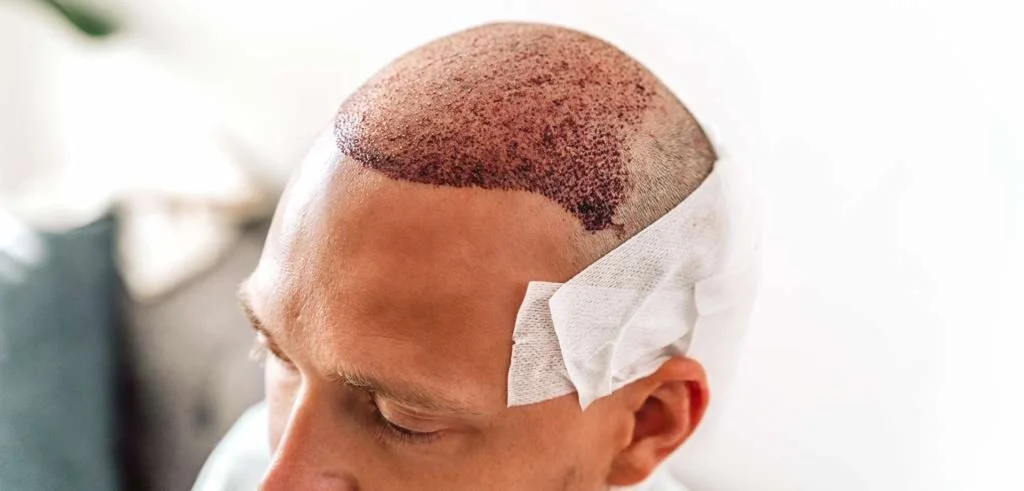
Coverage may require medical records and approval before surgery. Under IRS Publication 502, cosmetic hair transplants generally do not qualify for payment through Health Savings Accounts (HSAs) or Flexible Spending Accounts (FSAs), although certain reconstructive procedures may qualify.
At Hair Transplant Mexico, located in San Pedro Garza García, Monterrey, Dr. Antonio Aguilar specializes in FUE hair restoration. A medical exam helps determine whether surgery is suitable, regardless of insurance coverage.
Key Takeaways
- Most health insurance plans do not cover hair transplants for genetic hair loss or pattern baldness because they consider the surgery cosmetic, even when hair loss causes emotional distress.
- Rare exceptions may apply to reconstructive surgery after severe burns, injuries, tumor removal, or certain scarring conditions. Coverage depends on medical necessity and policy rules.
- Insurance may cover treatment for alopecia without paying for a hair transplant. Coverage depends on the diagnosis, treatment, and health plan.
- Patients should check their benefits before surgery by reviewing exclusions, gathering medical records, and asking about prior approval.
- Patients without coverage usually pay out of pocket, including those traveling to Mexico. Prices depend on the technique, graft count, and provider.
When Is a Hair Transplant Covered by Insurance?
Insurance coverage for a hair transplant is rare, but some reconstructive cases may qualify. Insurers may review surgery needed after severe burns, accidents, or medical treatments that cause permanent hair loss. They consider the diagnosis, the reason for surgery, and the patient’s policy. A hair transplant for baldness caused by genetic hair loss is generally considered cosmetic and is not covered.
Having a medical condition does not guarantee coverage. Some plans pay for tests or treatments related to hair loss but exclude transplant surgery. Patients should check which services their plan covers before starting treatment.
Does Insurance Cover Hair Transplant Complications?
Insurance may cover treatment for medical complications, such as infections or excessive bleeding, but some plans exclude problems linked to cosmetic surgery. Revision surgery to improve hair density or correct an unwanted cosmetic result is generally not covered.
Patients considering treatment in Mexico, Turkey, or other countries should check whether their policy covers complications from surgery abroad. The Centers for Disease Control and Prevention (CDC) recommends arranging follow-up care and seeking prompt medical attention if complications occur.
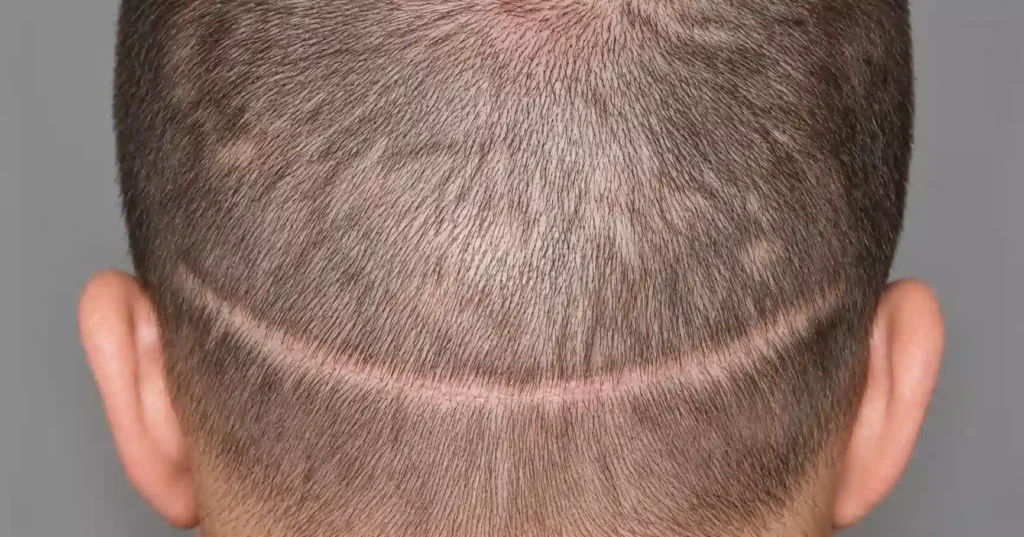
Does Insurance Cover Hair Transplants for Alopecia?
Coverage depends on the type of alopecia and the treatment needed. Alopecia areata is an autoimmune disease that causes the immune system to attack hair follicles. It can lead to patches of hair loss or more widespread shedding.
Insurance may cover medical care for alopecia areata, but surgery is often unsuitable while the disease is active. Patients with scarring alopecia may qualify for a transplant assessment once the condition is stable. A dermatologist must check scalp health, inflammation, and the risk of further hair loss before considering surgery.
Does Insurance Cover Hair Loss Treatment?
Health insurance may cover treatment when hair loss has a medical cause. For example, some plans cover steroid injections or prescription drugs for alopecia areata. Blood tests and scalp biopsies may also qualify when a doctor needs them to find the cause.
Treatment for hereditary hair loss is often excluded, especially when its main purpose is cosmetic. This may include minoxidil or finasteride, depending on the plan and prescription. The American Academy of Dermatology explains why finding the cause of hair loss matters before choosing treatment.
Hair Loss From Burns or Injuries
Severe burns, deep cuts, and some surgeries can damage hair follicles and cause lasting scars. In certain cases, hair restoration procedures may help repair these areas. Hair loss after tumor removal or some skin diseases may also qualify for review.
Scar tissue may have less blood flow, which can affect how well new grafts grow. A doctor must check the scalp, donor hair, and scar condition before planning surgery. Even if the procedure is medically suitable, insurance may still deny payment.

How to Get Insurance to Cover a Hair Transplant
Start by checking your health plan’s rules for cosmetic and reconstructive surgery. Contact your insurance company and explain the medical reason for the proposed treatment. Ask whether the procedure is excluded and if you need prior authorization, which means approval before surgery.
If your case may qualify, your doctor should prepare medical records that support the request. These may include photos, test results, past treatments, and a letter of medical necessity. The records should explain why surgery is needed and what medical problem it aims to treat.
Follow these steps to check your coverage:
- Review your policy: Look for rules about cosmetic surgery, reconstructive care, and hair restoration.
- Get a medical exam: Ask your doctor to confirm the diagnosis and explain the recommended treatment.
- Collect your records: Gather photos, test results, past treatment records, and any required medical letters.
- Request prior authorization: Send the required documents to your insurer before surgery.
- Check your costs: Ask for written details about covered services, deductibles, and payment limits.
Prior authorization does not always guarantee payment. Your insurer may still review the final claim after surgery. Keep copies of all approvals and written responses.
What to Do if Coverage Is Denied
If your insurer denies coverage, read the reason given in the denial letter. Common reasons include cosmetic exclusions, missing records, or failure to meet medical necessity rules. Your doctor may help by providing additional documentation or clarifying the diagnosis.
Many U.S. health plans allow patients to appeal denied claims. Some patients may also qualify for an independent external review. HealthCare.gov explains how these appeals work, but an appeal cannot always change a valid policy exclusion.
Hair Transplant Costs and Payment Options
Without insurance, patients usually pay for hair transplant surgery themselves. At Hair Transplant Mexico in Monterrey, a single-area FUE hair transplant costs $5,000 USD, while a full FUE procedure costs $6,000 USD. Hair transplant costs in Mexico can vary between clinics based on the procedure and treatment needs. These prices include hotel accommodations, private transportation, and follow-up consultations.
The final treatment plan depends on the number of grafts needed, the area being treated, and the patient’s donor hair supply. Costs may also vary between techniques such as follicular unit extraction (FUE) and follicular unit transplantation (FUT). Transplanted hair can last for many years, but long-term results vary, and natural hair may continue to thin.
The clinic does not offer direct financing, but some credit cards may allow interest-free monthly payments (MSI). Patients can explore hair transplant financing options to learn about other ways to manage treatment costs. Availability depends on the card issuer and payment terms. Patients should confirm the final price and payment options before surgery.
Cosmetic hair transplants generally do not qualify for a U.S. medical expense tax deduction. Under IRS Publication 502, exceptions may apply to procedures that correct deformities caused by injuries, congenital abnormalities, or disfiguring diseases. Qualifying expenses remain subject to IRS deduction rules.
Does Insurance Cover Hair Transplants in Mexico?
Most U.S. health insurance plans do not reimburse elective hair transplant procedures performed in Mexico. Plans with international medical benefits may still exclude cosmetic surgery and related complications. Patients should confirm coverage for treatment abroad, emergency care, and follow-up services before booking surgery.
Patients comparing Mexico, Turkey, and the United States should review physician involvement and post-surgery care. Doctor-led procedures involve medical oversight throughout surgical planning, graft extraction, and placement. Techniques such as direct hair implantation (DHI) may use tools like the Choi implantation pen to place hair follicles.
At Hair Transplant Mexico in San Pedro Garza García, Monterrey, Dr. Antonio Aguilar performs the key surgical steps. Follow-up consultations take place after 10 days, one month, and every three months thereafter until the 12-month mark. Patients living outside Monterrey can attend these appointments by video, and follow-up consultations are included in the procedure price.
If complications arise after surgery, patients should contact their treating physician for medical guidance. Those experiencing signs of infection, heavy bleeding, or other urgent symptoms should seek prompt local medical care. Insurance coverage for additional treatment depends on the patient’s policy and medical needs.
If you’re considering a hair transplant in Mexico, schedule your free consultation with Hair Transplant Mexico. Dr. Antonio Aguilar can assess your hair loss, review your treatment options, and explain the expected costs and recovery process.