
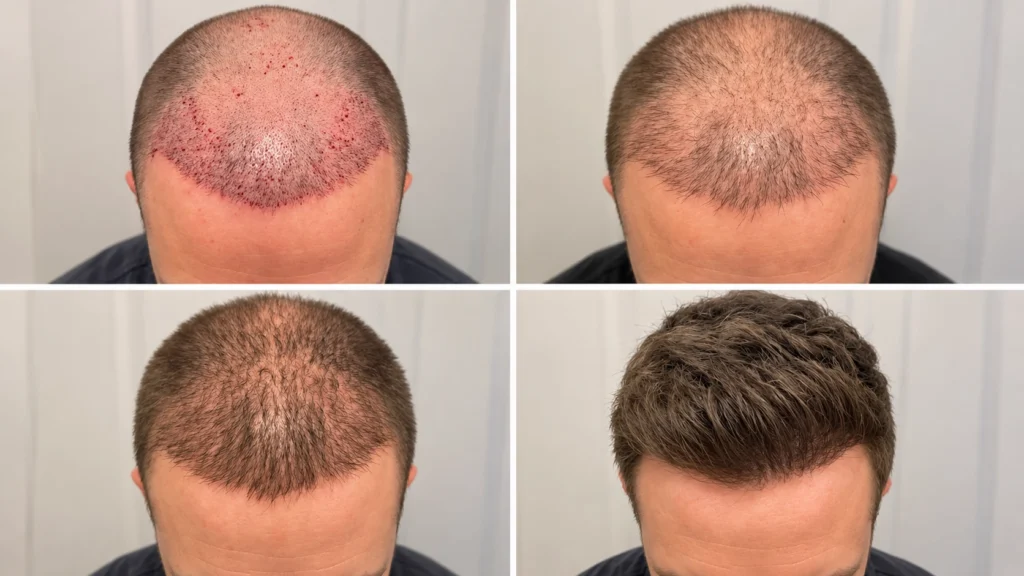
Patients should avoid rubbing grafts, picking scabs, or using strong water pressure on the scalp. Hair Restoration Mexico is located in San Pedro Garza García, Monterrey, where Dr. Antonio Aguilar performs FUE hair restoration and has over 10 years of experience with hair transplants. Knowing what to expect helps patients follow proper aftercare and recognize signs that need medical attention.
Key Takeaways
- Most visible scalp healing takes 10–14 days, although redness, tenderness, and sensitivity may last longer.
- Gentle hair washing begins according to your surgeon’s instructions. Avoid rubbing grafts, picking scabs, or using strong shower pressure.
- Transplanted hair often sheds within the first few weeks. New growth usually becomes noticeable around months 3–4.
- Hair density and thickness improve over 12–18 months. Crown restoration may take longer to show final results.
- Worsening pain, spreading redness, fever, pus, or ongoing bleeding require prompt medical care.
Hair Transplant Timeline Day by Day
A day-by-day hair transplant timeline shows how the donor area and transplanted area heal after surgery. A FUE (follicular unit transplantation) hair transplant removes individual hair grafts, while DHI (direct hair implantation) uses a special pen to place them into the scalp. Both methods require medical care, careful graft handling, and follow-up visits.
Hair Transplant Recovery: Days 1–7
Day 1: Surgery and Initial Healing
Small wounds surround the transplanted follicles and donor sites. The scalp may feel sore, tight, or swollen. Avoid touching or putting pressure on the grafts. Having the right supplies after a hair transplant can help you follow your surgeon’s aftercare instructions.
Day 2: Swelling and Scalp Sensitivity
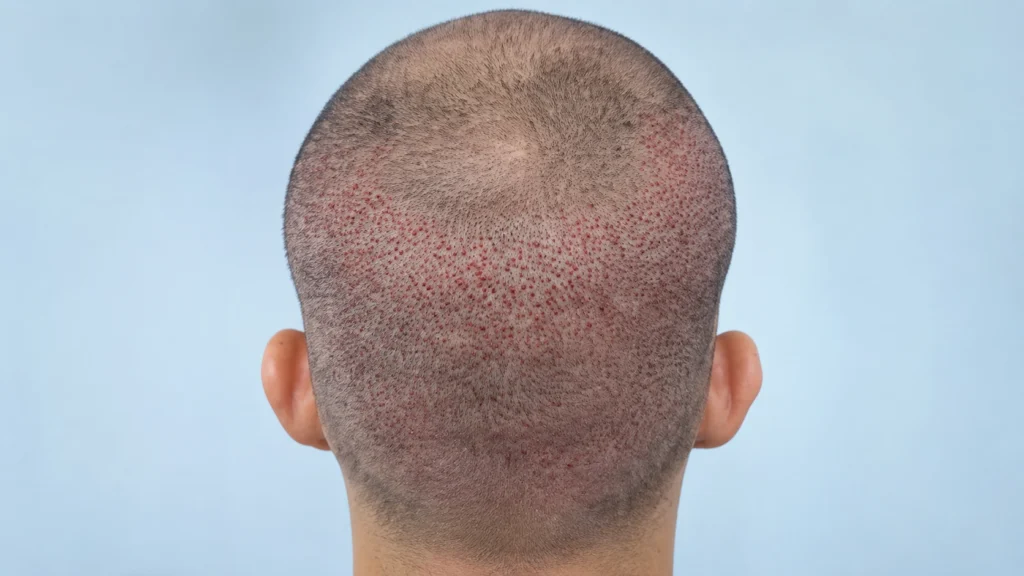
Swelling may become more noticeable around the forehead. The donor area can feel sore or numb. Take prescribed medications as directed.
Day 3: Swelling and Scab Formation
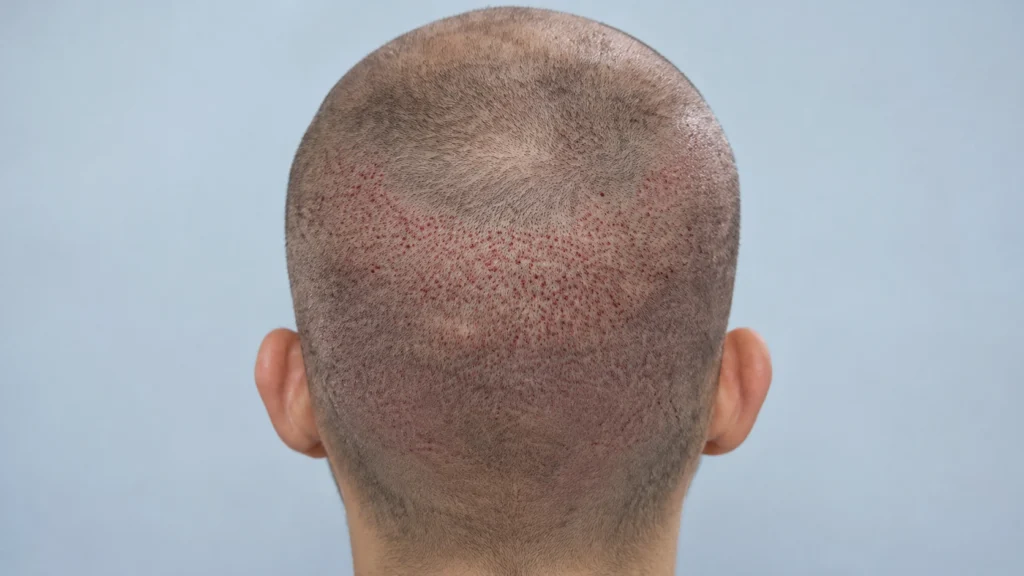
Swelling may reach its peak around this stage. Scabs forming around the follicles are a normal part of healing. Avoid scratching or removing them.
Day 4: Early Graft Healing
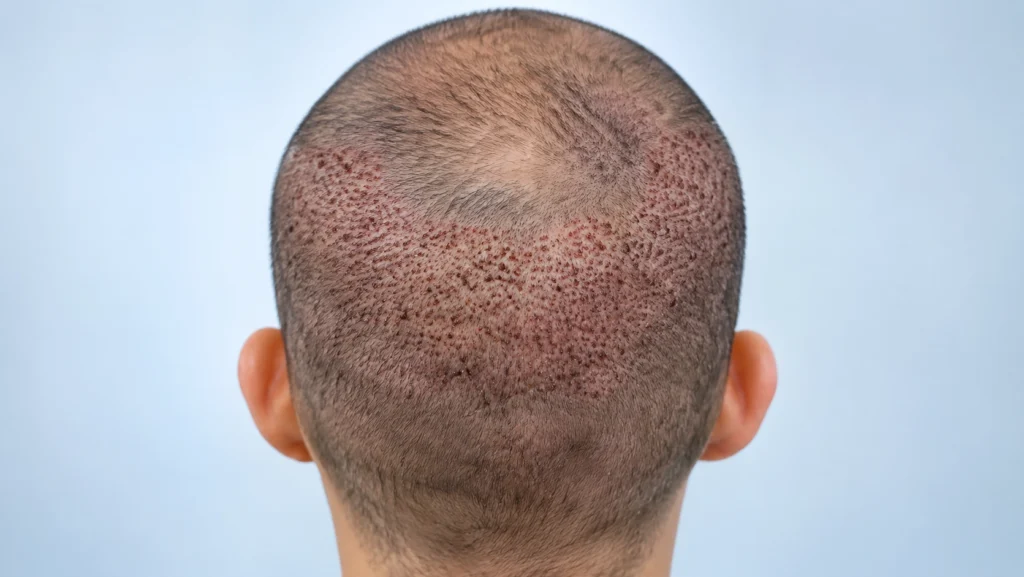
The skin continues healing around each graft. Mild itching and redness may remain. Avoid rubbing the scalp or using products your surgeon has not approved.
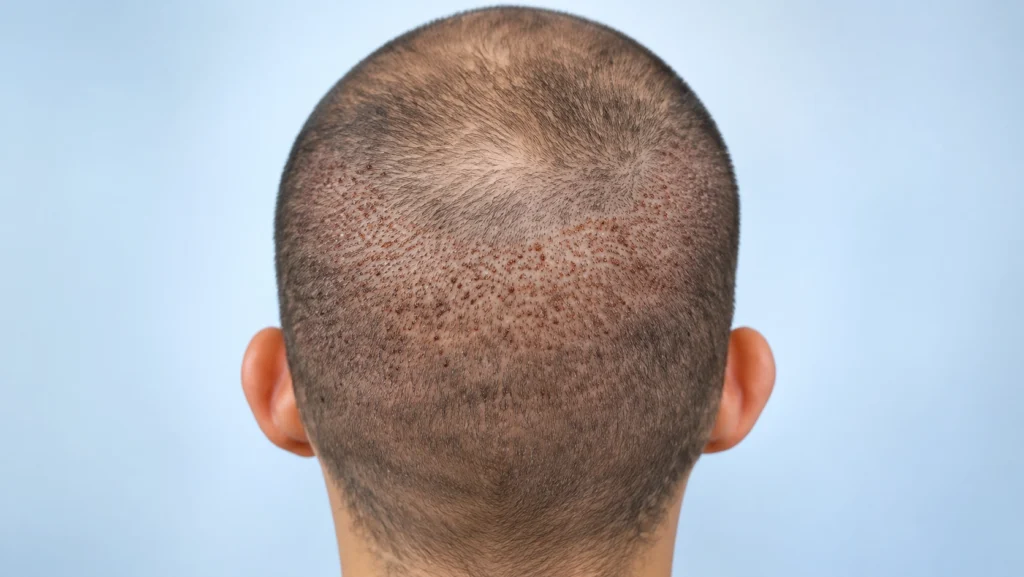
Day 5: Scabbing and Gentle Washing
Small scabs may still cover the treated area. Continue gentle hair washing as scheduled by your surgeon, which may have started earlier. Avoid strong shower pressure.
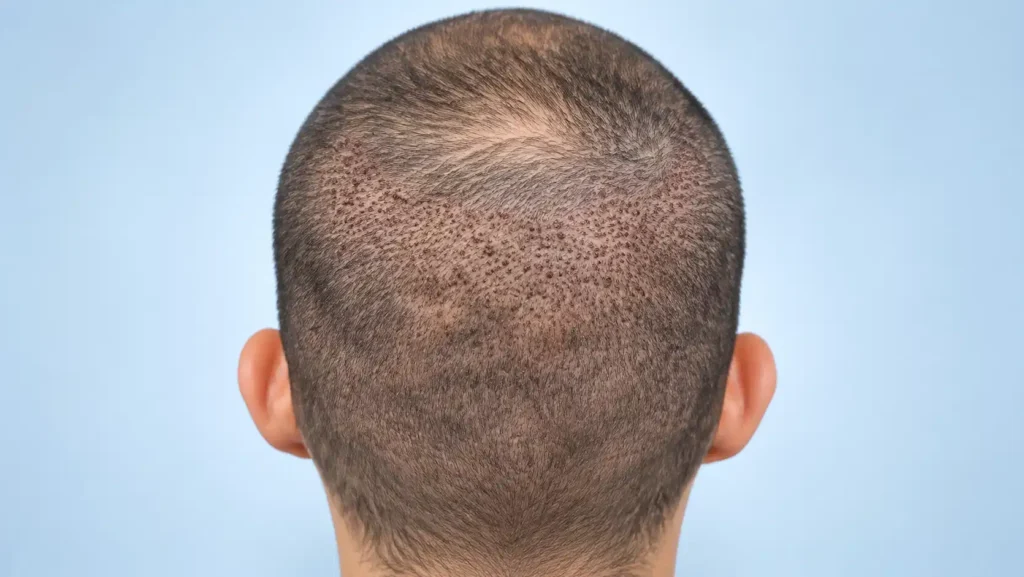
Day 6: Reduced Swelling and Discomfort
Swelling and soreness often begin to decrease. Some patients still feel numbness around the donor sites. Keep protecting the scalp from rubbing.
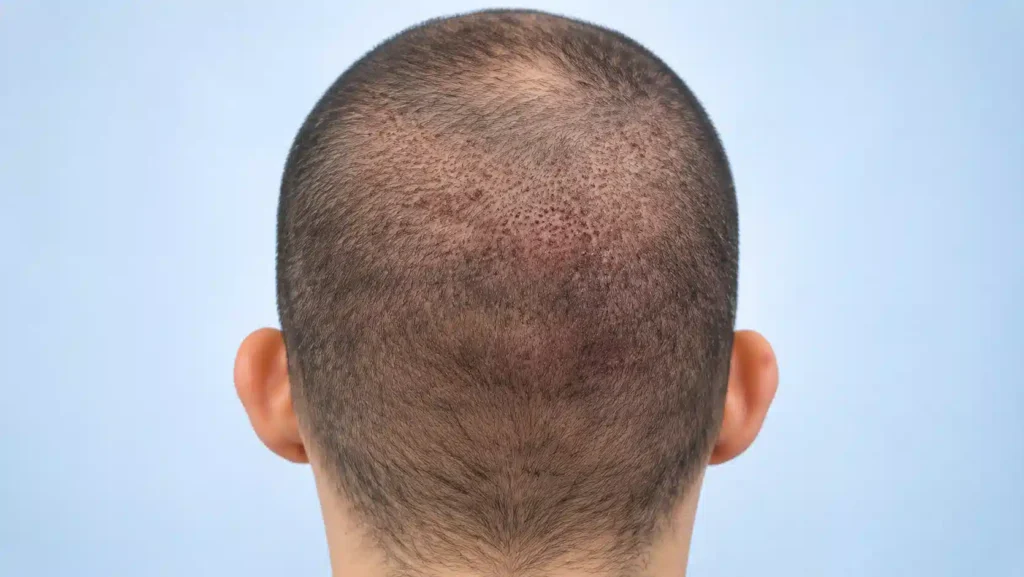
Day 7: First Week of Recovery
Most patients notice less discomfort and fewer scabs. The grafts become more secure as the skin heals. Continue following your surgeon’s care instructions.
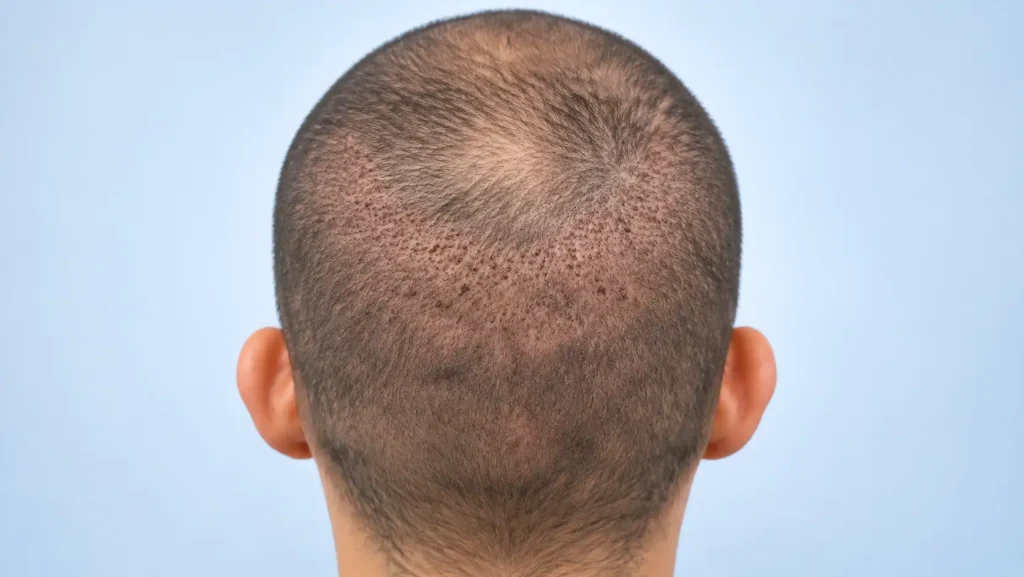
Hair Transplant Recovery: Days 8–14
Day 8: Scabs Begin to Loosen
Small scabs may start falling off during gentle washing. Mild itching can continue as the skin heals. Never pull off attached scabs.
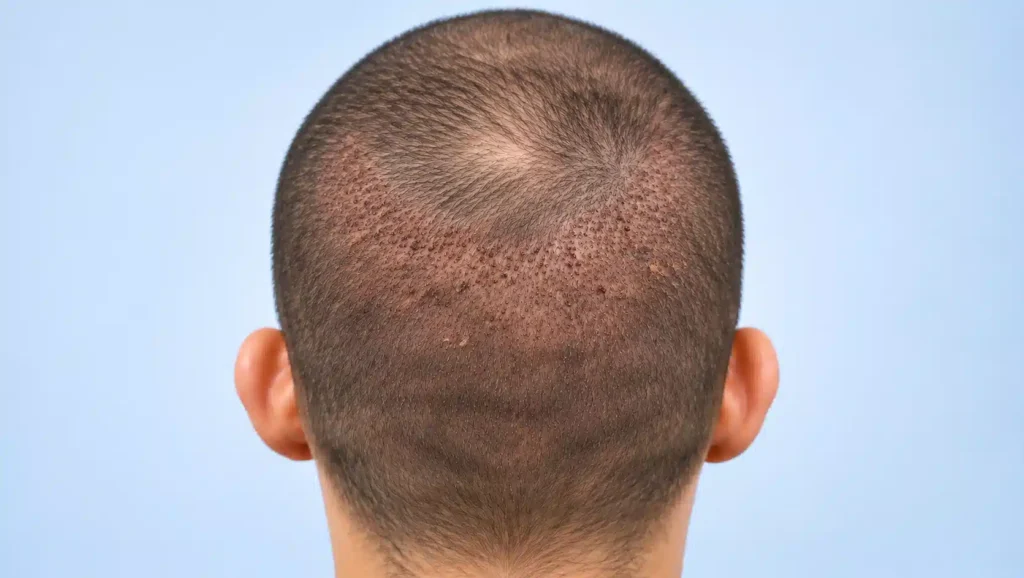
Day 9: Continued Scalp Healing
The transplanted area often looks less red. Research suggests grafts are less likely to be pulled out at this stage, but patients should still follow their surgeon’s instructions.
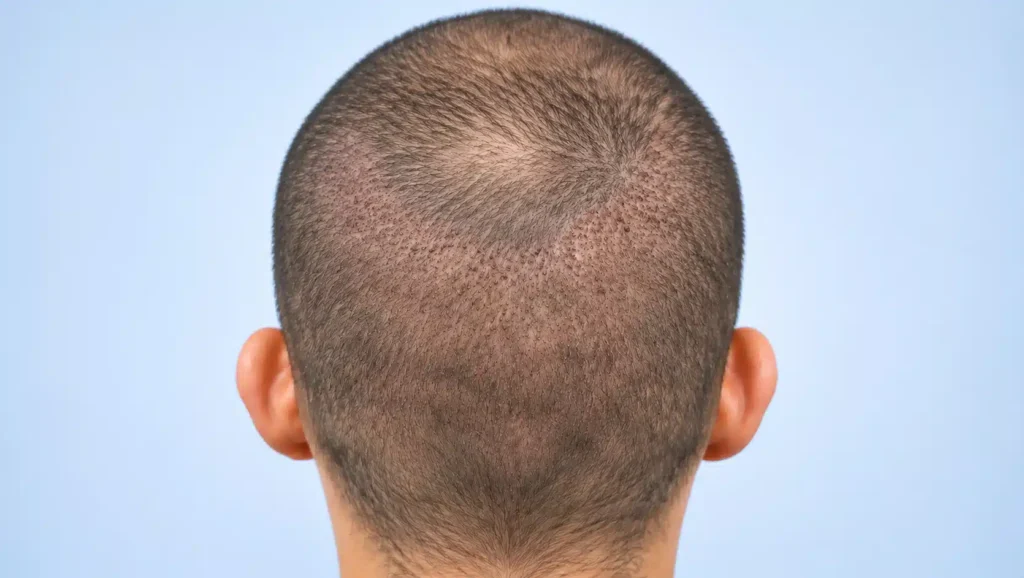
Day 10: Graft Healing and Scab Removal
Many scabs have loosened or fallen off by this point. Learn more about what to expect 10 days after a hair transplant, including scalp healing and graft stability. Continue washing as directed, but never force off scabs that remain attached.
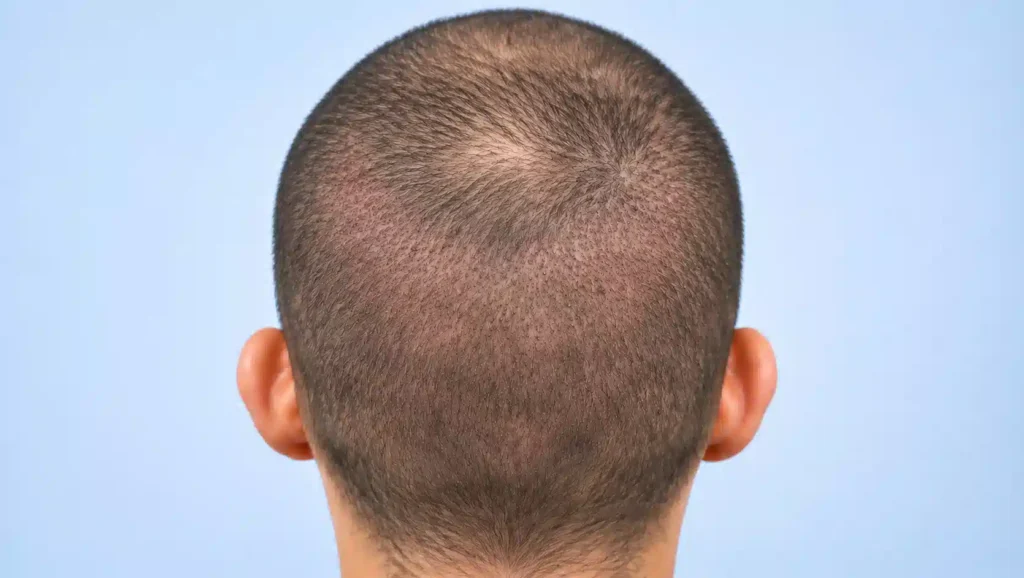
Day 11: Redness and Scalp Sensitivity
Redness usually continues to fade. Some patients may still notice mild soreness or changes in skin color.
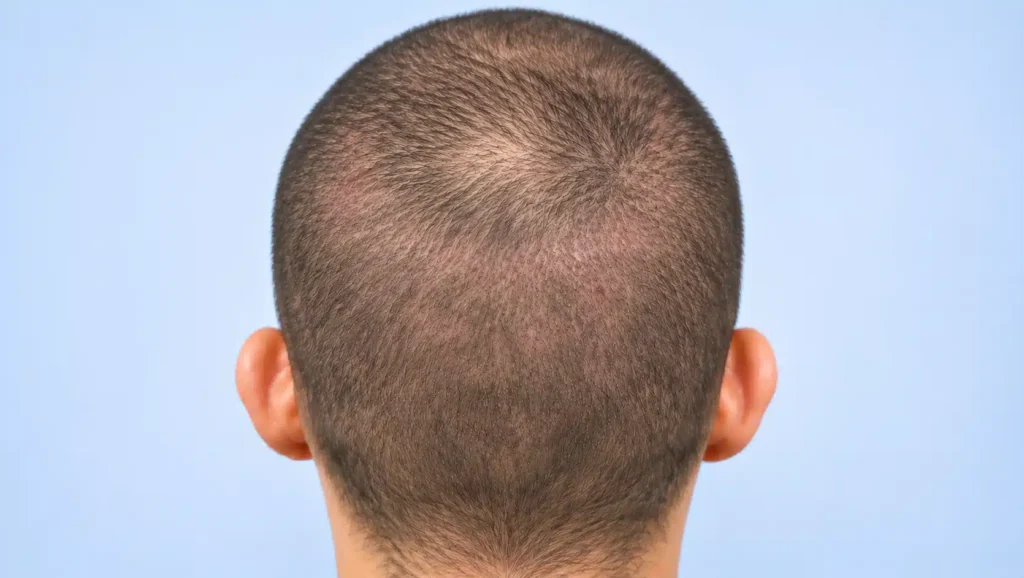
Day 12: Donor and Recipient Area Healing
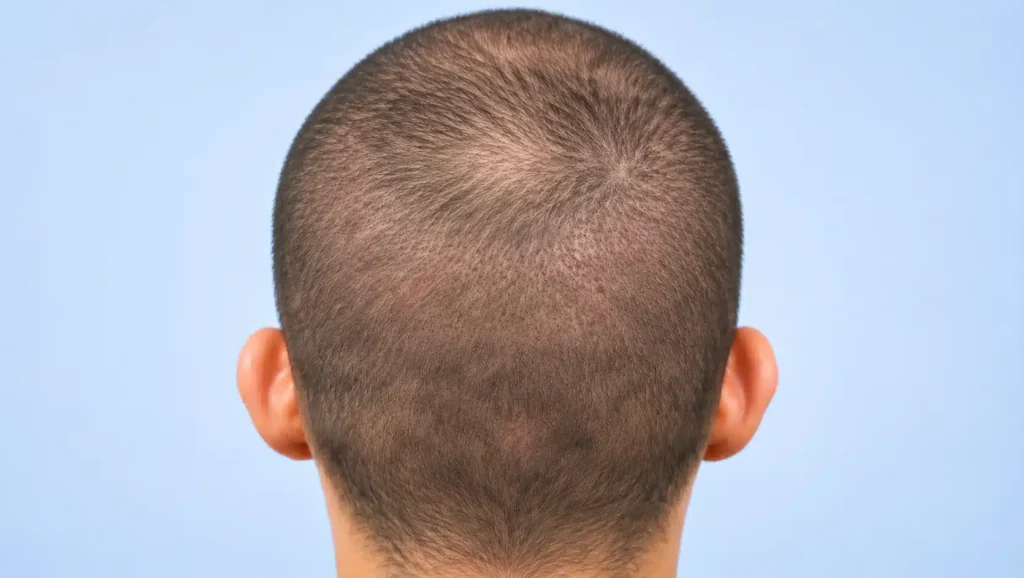
Most small FUE donor wounds have largely healed. Mild redness, numbness, or uneven skin texture may still be present.
Day 13: Resuming Daily Activities
Returning to desk work and light activities is often possible. Jobs that involve heavy lifting or physical effort may require more rest.
Day 14: Two Weeks After Surgery
Most visible scabs have fallen off, although healing times vary. Temporary shedding may begin even when the scalp looks healed.
Hair Transplant Growth Timeline by Month
Weeks 3–8: Shedding and Shock Loss
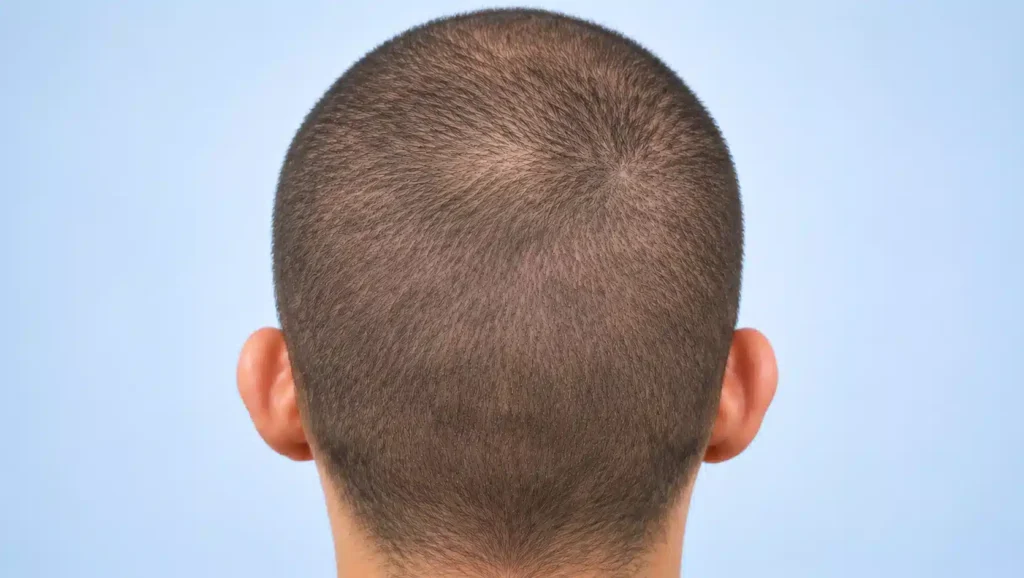
Transplanted hair shafts often shed while the follicles remain under the skin. This process, often called shock loss, may also affect nearby native hair. Hair may look thinner during this stage, sometimes called the ugly duckling phase.
Months 3–4: Early Hair Regrowth
New hair begins growing as follicles return to their growth phase. Each hair shaft may look thin, short, or uneven at first.
Months 5–6: Visible Hair Growth
More follicles begin producing visible hair. Hair length and coverage improve, but full density has not yet developed.
Months 7–9: Increasing Hair Density
Existing hairs grow longer and thicker. Areas with less hair may start looking fuller as growth continues.
Months 10–12: Hair Maturation
Hair thickness and texture continue improving. Some patients approach their expected results around one year.
Months 12–18: Continued Growth and Results
Hair may continue getting thicker after the first year. Final results depend on graft survival, hair type, and ongoing hair loss. Crown restoration can take longer to mature. The full hair transplant recovery process includes both early scalp healing and gradual hair growth over several months.
Hair Transplant Aftercare and Recovery Tips
Washing Your Hair and Removing Scabs
Follow your surgeon’s hair washing schedule after a transplant, which may begin within 24–72 hours or later. Use approved shampoo, lukewarm water, and rinse gently. Never scrub the grafts or pull off scabs.
Sleeping and Protecting Your Grafts
Your surgeon may suggest sleeping with your head elevated for the first few nights. This can help reduce swelling and keep the transplanted scalp from touching your pillow.
Exercise, Sun Exposure, and Daily Activities
Avoid hard exercise, heavy sweating, and direct sunlight during early healing. Return to normal activities as advised by your surgeon. Following proper post-hair transplant care can help protect the scalp during healing. Patients traveling for treatment should also plan their follow-up care before going home.
Normal Healing and Warning Signs
Expected Swelling, Redness, and Discomfort
Mild swelling, soreness, itching, and temporary numbness are common post op symptoms. Small scabs may also form around transplanted follicles. These symptoms usually improve as the scalp heals.
Signs That Require Medical Attention
Increasing pain, spreading redness, pus, or fever may signal an infection or another problem. Heavy bleeding that does not stop also needs urgent medical care. Contact your surgeon if symptoms get worse instead of better.
Frequently Asked Questions
What Are the Worst Days After a Hair Transplant?
Days 2–4 are often the hardest because swelling and scalp soreness may increase. Symptoms usually improve after this period, although healing varies.
How Long Does It Take to Look Normal After a Hair Transplant?
Most patients see major improvements in scalp healing within 10–14 days. Redness and temporary hair shedding may remain noticeable for longer.
How Many Days Should I Rest After a Hair Transplant?
Some patients return to desk work after a few days, while others need one to two weeks. Physical jobs may require more time off.
When Are Hair Transplant Grafts Secure?
Grafts become more firmly attached during the first week. A 2006 study found that grafts resisted being pulled out during testing by day nine, but patients should still follow their surgeon’s instructions.
When Does Transplanted Hair Start Growing?
New growth usually becomes noticeable around months 3–4. Hair thickness and density continue improving over the next 12–18 months.
Understanding the recovery timeline can help you prepare for each stage of hair restoration. If you’re considering a hair transplant in Mexico, schedule a consultation with Dr. Antonio Aguilar at Hair Restoration Mexico to discuss your options, expected results, and recovery plan.