
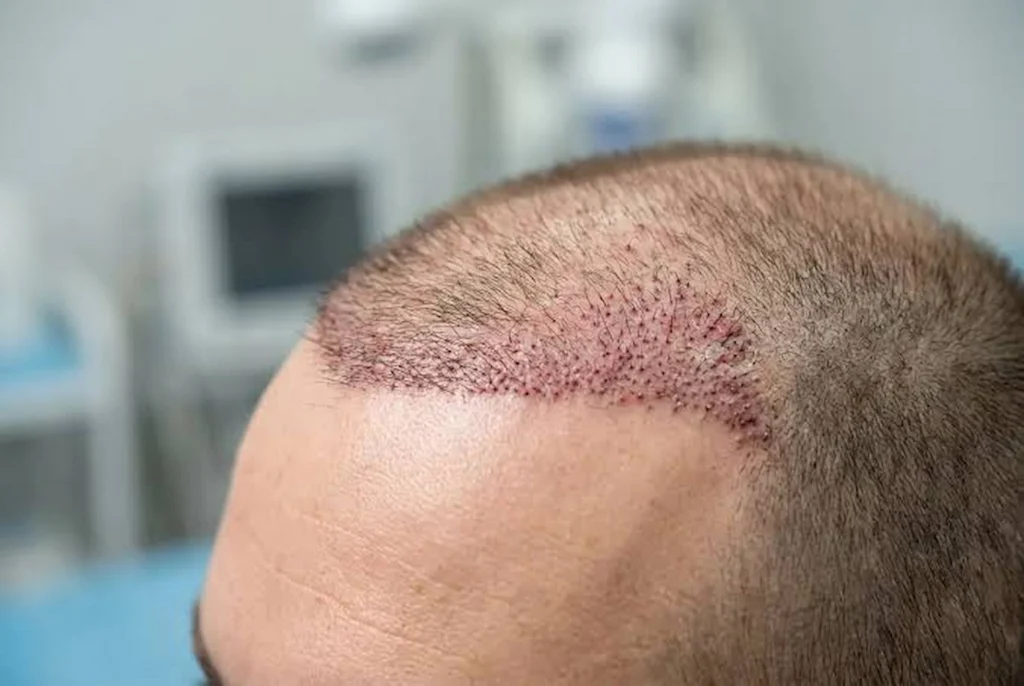
The cost depends on the treatment area, surgical method, and clinic fees. Hair Restoration Mexico, a doctor-led clinic in San Pedro Garza García, Monterrey, lists $5,000 USD for single-area FUE procedures and $6,000 USD for full FUE procedures.
These prices include hotel accommodation, private transportation, and follow-up care, but a 500-graft session requires an individual quote. Dr. Antonio Aguilar evaluates each patient’s hair loss and donor area to determine the appropriate treatment plan.
Key Takeaways
- A 500-graft hair transplant usually moves about 1,000–1,200 hairs and may cover 12.5–20 cm² of scalp, depending on the planned density.
- Small sessions can treat minor hairline recession, thinning temples, eyebrow gaps, and small beard patches. They cannot restore large bald areas.
- FUE and FUT are two common methods. A small session may take 2–4 hours with local anesthesia.
- Early healing usually takes 10–14 days. New growth often starts after 3–4 months, with fuller results in 12–18 months.
- Hair Restoration Mexico publishes prices of $5,000 USD for single-area FUE surgery and $6,000 USD for full FUE surgery. The cost of a 500-graft procedure requires an individual assessment.
How Much Do 500 Hair Grafts Cover?
A 500-graft procedure may cover about 12.5–20 cm² of scalp when placed at 25–40 grafts per square centimeter. This amount may help fill a small gap in the hairline, temples, or another thinning area. The final look depends on hair thickness, existing density, and graft survival.
A hair graft is a small piece of tissue that holds one or more hair follicles. Natural follicular units often contain one to four hairs, so 500 grafts may hold about 1,000–1,200 hairs. The exact number depends on how many hairs grow from each graft.
The number of grafts needed depends on the recipient area size and desired density. A doctor checks these factors before planning surgery. People with large bald areas often need more grafts.
Coverage by Treatment Area
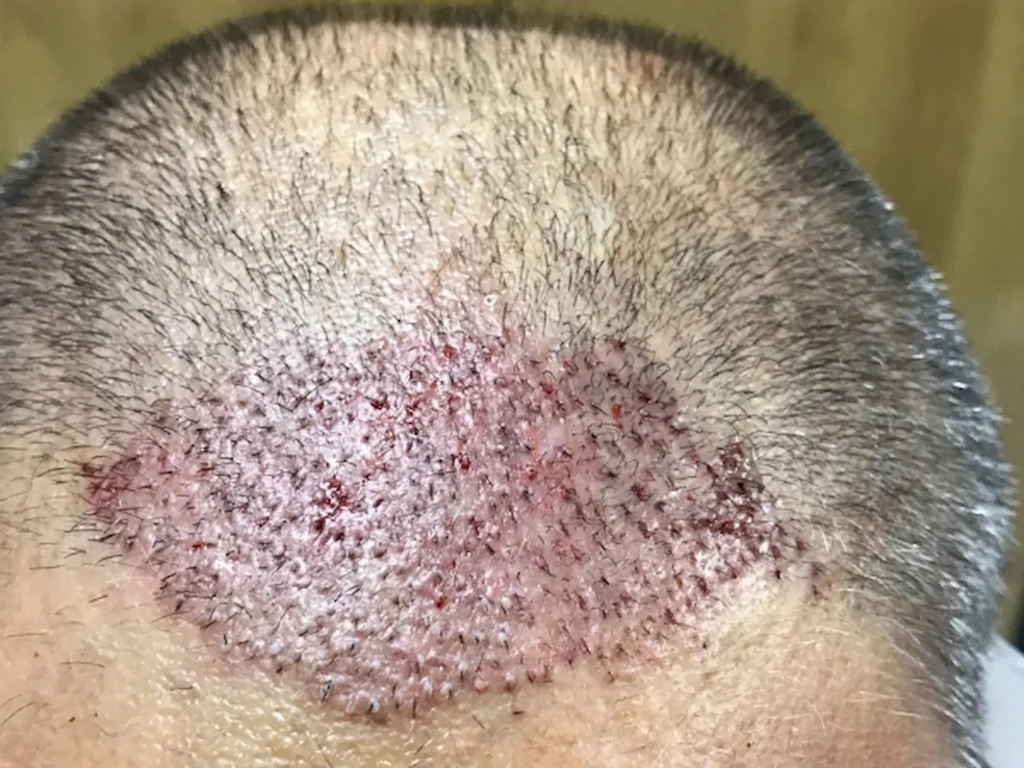
The frontal hairline is a common area for small hair transplant sessions. Surgeons can place individual grafts to fill gaps, improve the hairline shape, or treat early recession in the temples. Larger areas of hair loss usually need more grafts.
A small session may treat these areas:
- Hairline and temples: Small gaps, mild recession, or uneven edges.
- Crown: Minor thinning when enough hair remains nearby.
- Eyebrows: Small gaps that need careful hair placement.
- Beard and mustache: Small patches with little facial hair.
- Scars: Small scars with healthy tissue and enough blood flow.
The crown often needs more grafts because it covers a wide area and has a circular hair pattern. Eyebrow and beard grafts need careful placement to match natural hair growth. Scar treatment can be less predictable because damaged skin may affect graft survival.
Factors That Affect Hair Density
Hair density is the number of grafts placed within a set area. Surgeons check existing hair, visible scalp, and the patient’s goals before choosing a target density. A small procedure may improve coverage without restoring the original hair amount.
Hair texture, thickness, curl, and skin color contrast can change how full the hair looks. Thick or curly hair may hide more scalp than thin, straight hair. Dark hair on light skin may also make thinning easier to notice.
This table shows how planned density affects coverage:
| Target Density | Estimated Coverage |
|---|---|
| 25 grafts/cm² | 20 cm² |
| 30 grafts/cm² | 16.7 cm² |
| 35 grafts/cm² | 14.3 cm² |
| 40 grafts/cm² | 12.5 cm² |
These figures are estimates based on simple math and are not guaranteed results. They assume all 500 grafts are spread evenly and do not account for possible graft loss or existing hair. Doctors also consider blood flow, donor hair quality, and the treatment plan.
When Are More Grafts Needed?
You often need more grafts when thinning covers a larger part of the scalp. A moderately receding frontal hairline may need 1,000–1,500 grafts or more, based on the area and desired density. Severe hair loss across the front and crown can require several thousand grafts. A 4,000-graft hair transplant may be considered for larger areas, depending on donor hair and treatment goals.
The number of grafts needed depends on the size of the thinning area and the desired density. Minor hairline and temple corrections may require 500–1,500 grafts, while the frontal third may need 1,200–2,200 grafts. Larger areas covering the front and middle scalp may require 2,000–3,500 grafts. These are general estimates, and a medical evaluation is needed to determine the right amount for each patient.
No fixed number defines a large hair transplant. The safe amount depends on donor hair, scalp health, and the surgical plan. People with ongoing hair loss may also need medical treatment to help protect their remaining hair.
What Results Can You Expect?
A small graft session can improve hairline shape, fill minor gaps, or make a thinning area look fuller. It cannot restore full density across a large bald area. The final look depends on hair type, graft placement, existing density, and healing.
Natural results require careful control of hair direction and angle. Surgeons often place single-hair grafts along the front edge of the hairline. Multi-hair grafts may add more density farther back.
500-Graft Hair Transplant Before and After
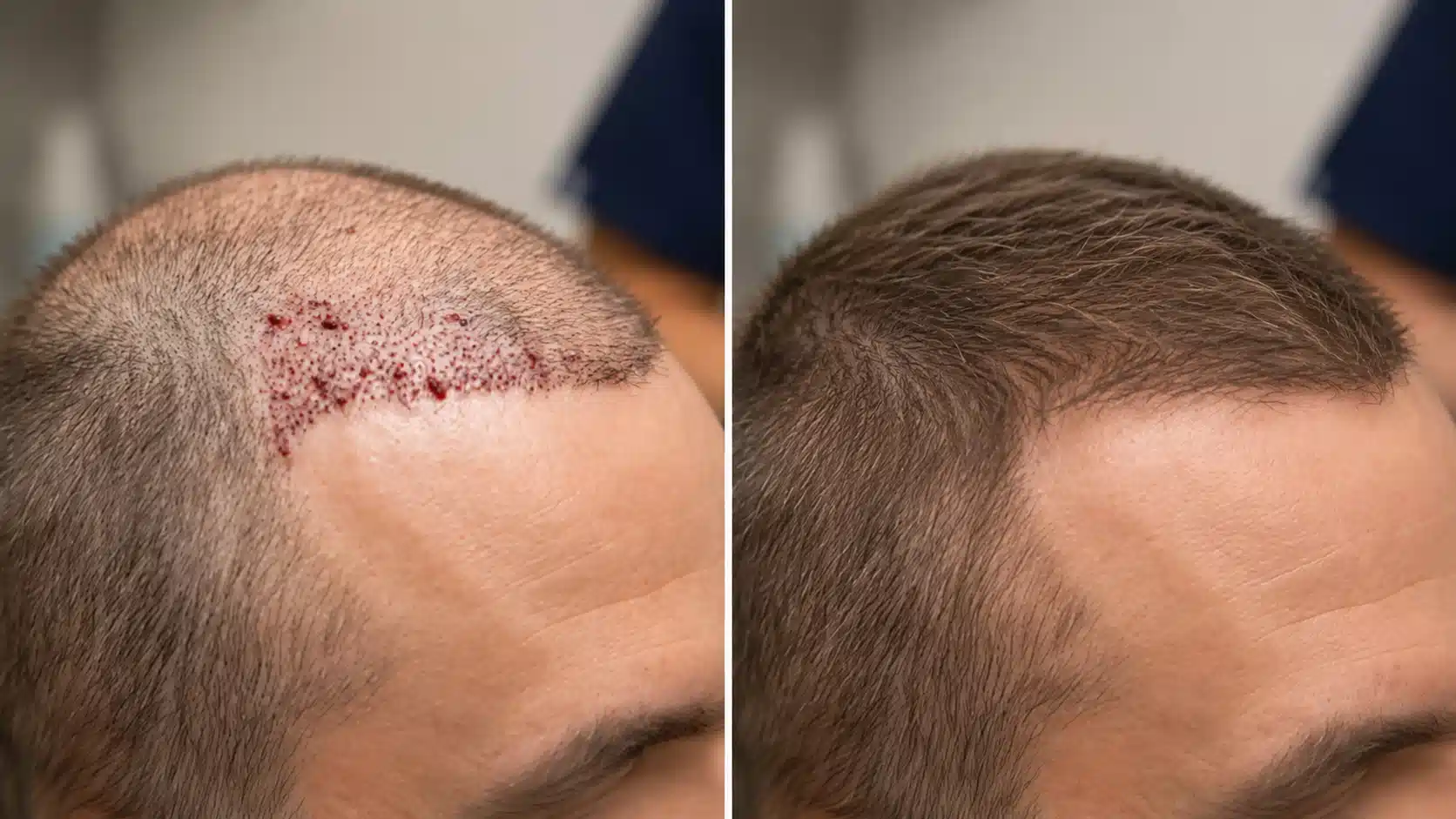
Before-and-after results from a 500-graft hair transplant may show a fuller hairline, improved temple coverage, or fewer visible gaps. The amount of improvement depends on hair thickness, existing density, and graft placement.
Visible changes usually develop within 6–12 months, and final results can take up to 18 months. Photos taken under similar lighting, angles, and hair lengths provide a more accurate comparison.
 Hair Growth Timeline
New hair often starts growing about 3–4 months after surgery. The transplanted hair shafts may shed during the first few weeks, but the living follicles usually remain under the skin. Hair then grows slowly and becomes thicker over time.
| Period | Expected Changes |
|---|---|
| Days 1–14 | Early healing, redness, and scabs |
| Weeks 2–8 | Temporary hair shedding |
| Months 3–4 | First signs of new growth |
| Months 5–6 | More visible hair coverage |
| Months 7–9 | Thicker hair and better density |
| Months 12–18 | Fuller, more mature results |
These stages are general estimates, not fixed deadlines. Some people see new growth sooner, while crown hair may take longer to mature. The final result depends on both transplanted and existing hair.
Graft survival depends on how follicles are handled, scalp condition, and healing. Published survival rates differ because studies use different methods and follow-up periods. Long-term results also depend on whether untreated hair continues to thin.
How Is a Hair Transplant with 500 Grafts Performed?
The process starts with a medical exam and treatment plan. The doctor checks the donor area, measures the recipient area, and decides where to place each graft. Before surgery, the patient should understand the expected results, possible risks, other treatment options, and recovery needs.
During the procedure, the medical team uses local anesthesia to numb the scalp. The surgeon removes healthy follicles from the donor area and prepares them for placement. Each graft requires careful handling to reduce damage during removal and insertion.
A small session may take about 2–4 hours, but the time varies by method and medical team. The treating doctor should oversee the main surgical decisions and patient care. Careful graft placement matters more than how quickly the procedure is done.
FUE vs. FUT
Follicular unit extraction (FUE) removes individual follicular units with a small round tool called a punch. This method leaves many tiny marks instead of one long cut. FUE does not create a long linear scar, but small scars can still form.
Follicular unit transplantation (FUT) removes a thin strip of scalp from the donor area. The medical team divides this strip into small grafts before placing them into the thinning area. FUT usually requires stitches and leaves a thin, linear scar.
| Factor | FUE | FUT |
|---|---|---|
| Harvesting | Individual follicular units | Strip of scalp tissue |
| Donor Scars | Several small scars | One linear scar |
| Stitches | Usually not needed | Usually needed |
| Recovery | Often less donor discomfort | May cause more tightness |
| Small Sessions | Common option | Possible in selected cases |
Both methods can provide lasting results when performed correctly. The choice depends on donor hair, past procedures, scar preferences, and treatment needs. Neither method guarantees a set density or graft survival rate.
Direct hair implantation (DHI) is another way to place grafts. It often uses FUE-harvested follicles and an implanter pen to place them into the scalp. The pen helps control depth, angle, and direction, but it does not change how the follicles are removed.
Risks and Medical Considerations
Hair transplantation is surgery, even when only 500 grafts are moved. Possible risks include infection, bleeding, swelling, numbness, scars, and poor hair growth. Some nearby natural hair may also shed briefly.
Small cysts, folliculitis, and uneven growth can occur during healing. Poor graft angles and ongoing hair loss may also affect the final look. A medical exam and proper aftercare help reduce risks but cannot remove them.
Qualified hair transplant surgeons should review the patient’s health and explain who performs each step. Experienced surgeons also plan how to protect donor hair for possible future surgery. Medical oversight, informed consent, and clear follow-up care matter in every country.
Patients comparing Mexico, the United States, and Turkey should review each clinic separately. Medical rules, staff roles, and follow-up services can differ by clinic and region. Patients should check the doctor’s training, facility permits, and plans for handling post-surgery complications.
How Much Does a 500-Graft Hair Transplant Cost?
The cost of a 500-graft hair transplant depends on the surgical method, treatment area, and services included. Small procedures may still have minimum surgical fees, so the final price is not always based on graft count alone. Hair Restoration Mexico offers different FUE pricing options, as shown below. For larger treatment plans, the cost of a 10,000-graft hair transplant involves different surgical needs and may require multiple sessions.
| Procedure | Published Price |
|---|---|
| Single-Area FUE (Hairline or Crown) | $5,000 USD |
| Full FUE Hair Transplant | $6,000 USD |
| 500-Graft Hair Transplant | Individual quote required |
The listed packages include hotel accommodation, private transportation, and follow-up consultations. Costs may also reflect anesthesia, surgical staff, equipment, and medical care. Even small procedures may have minimum fees, so the final price does not always depend on the number of grafts.
What Is the Recovery Timeline?
Early healing after a 500-graft hair transplant usually takes 7–14 days. Redness, mild swelling, tenderness, and small scabs are common during this period. Most scabs fall off naturally within two weeks, although scalp sensitivity may last longer.
During the first few days, avoid rubbing, scratching, or putting pressure on the treated area. Follow your surgeon’s washing and sleeping instructions to protect the new grafts. Some patients may need to sleep with their heads raised to reduce swelling.
Many patients return to desk work within a few days. Strenuous exercise, heavy lifting, and contact sports may require a longer break, depending on healing and the surgeon’s instructions. Temporary hair shedding may occur in the following weeks, with new growth usually starting around months 3–4.
Follow-up visits help doctors monitor healing and identify possible complications. Contact your surgeon if you develop worsening pain, spreading redness, fever, or unusual discharge. These symptoms may require medical attention.
If you’re considering a hair transplant, schedule a free consultation with Hair Restoration Mexico. Dr. Antonio Aguilar can assess your hair loss, review your goals, and determine how many grafts you may need.