
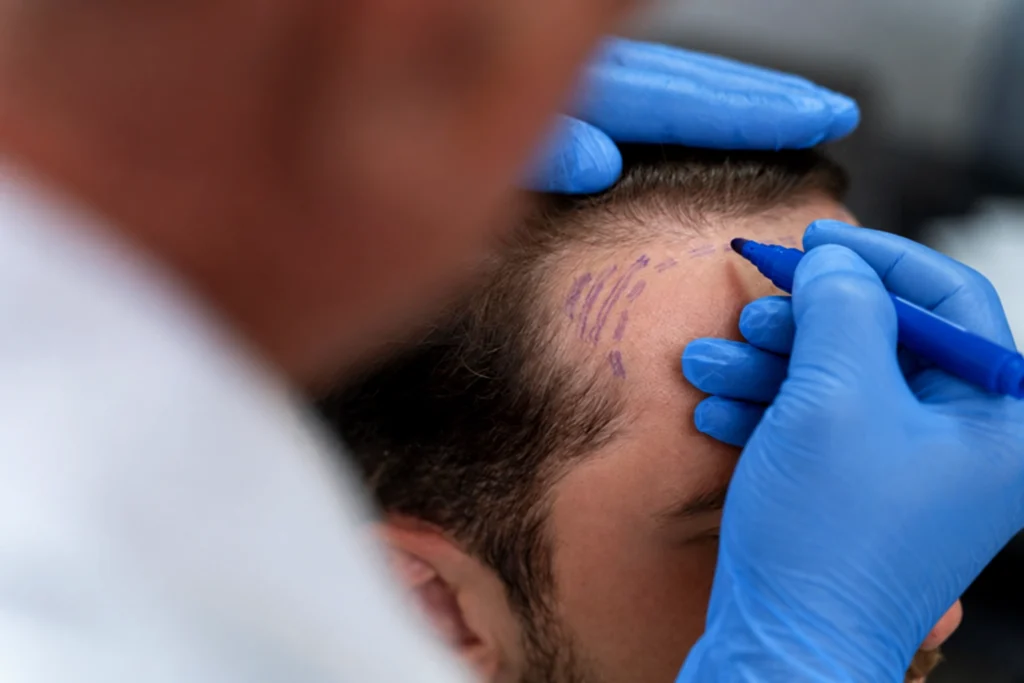
Most patients see clear results within 12–18 months, though the grafts settle much sooner. Treatments like finasteride or minoxidil may help protect existing hair, while some patients need another procedure later. Hair Restoration Mexico, located in San Pedro Garza García, Monterrey, evaluates donor hair, hair loss patterns, and future treatment needs before surgery.
Key Takeaways
- Hair transplants can last for decades or a lifetime because transplanted follicles are usually resistant to DHT. Results are not guaranteed to last forever.
- Most patients see new growth within 6–9 months. Full results may take 12–18 months.
- Natural hair can keep thinning after surgery, which may reduce overall hair density.
- FUE and FUT can both provide lasting results. Donor hair quality, surgical skills, and scalp health affect graft survival.
- Minoxidil and finasteride may help protect existing hair. Some patients may need a second transplant as hair loss continues.
Do Hair Transplants Last Forever?
Hair transplants are meant to provide permanent results, but not every graft lasts for life. Surgeons move follicles from areas that are less affected by pattern baldness. These follicles often keep growing after they are moved to thinning or balding areas.
A 2020 study of 112 FUT patients found that about 91% had some loss of hair density between years one and four. The study used photos to measure changes, so it could not confirm how many transplanted follicles had stopped growing. The findings show that density can change over time, even after a successful procedure.
Why Do Hair Transplants Last So Long?
A hair transplant works by moving healthy follicles to areas with less hair. Surgeons take these grafts from the donor area, usually at the back or sides of the scalp. Hair in these areas is often less sensitive to DHT, which plays a key role in pattern baldness.
This trait is called donor dominance. It means transplanted follicles often keep their resistance to hair loss after being moved. The hair still goes through normal cycles of growth and shedding.
What Affects Hair Transplant Longevity?
Several factors affect the hair transplant success rate and how long the results of a hair restoration procedure may last:
- Donor hair quality: Healthy follicles from stable donor areas are more likely to keep growing.
- Graft handling: Follicles can suffer damage during removal, storage, or placement. Poor handling can lower survival rates.
- Surgical technique: Careful extraction and placement help protect each graft.
- Hair loss patterns: Hair around the transplanted areas may continue to thin.
- Scalp health: Scarring, swelling, and certain skin conditions can affect hair growth.
Surgeons must also avoid taking too many grafts from the donor area. This can cause visible thinning and leave less hair for future procedures. A doctor should check donor density, medical history, and future hair loss before surgery.
Hair Transplant Results Over Time
The hair transplant timeline includes healing, shedding, new growth, and long-term changes. Hair growth takes time, and results vary between patients.
First Year: Hair Growth Timeline
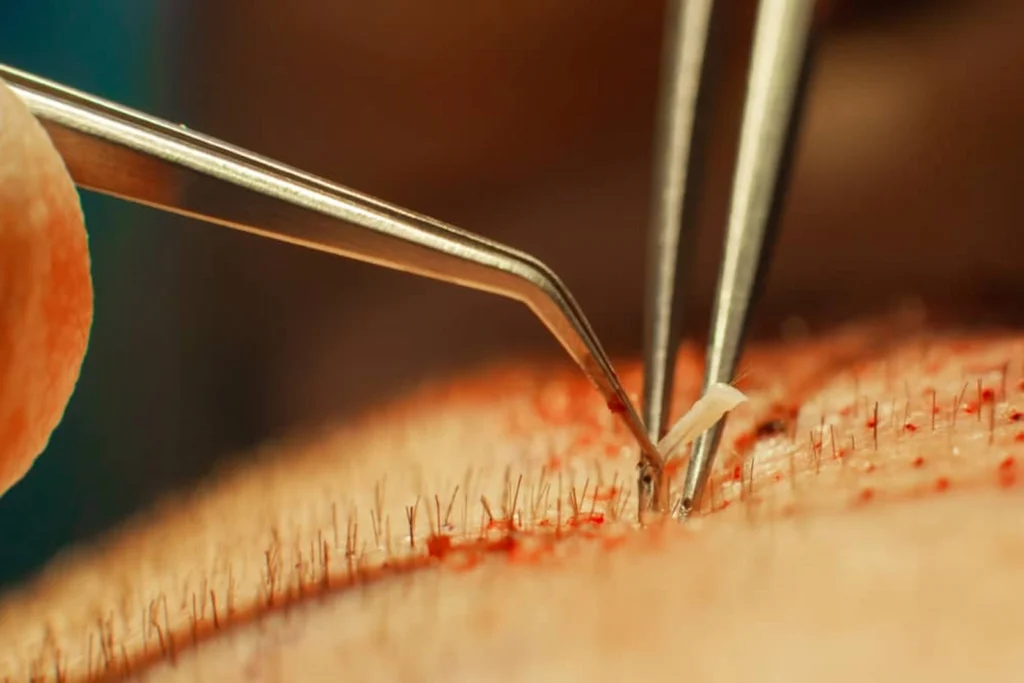
During the first few weeks, transplanted hair often sheds while the follicles stay beneath the skin. New growth usually starts around three to four months after surgery. Most patients notice more hair between six and nine months.
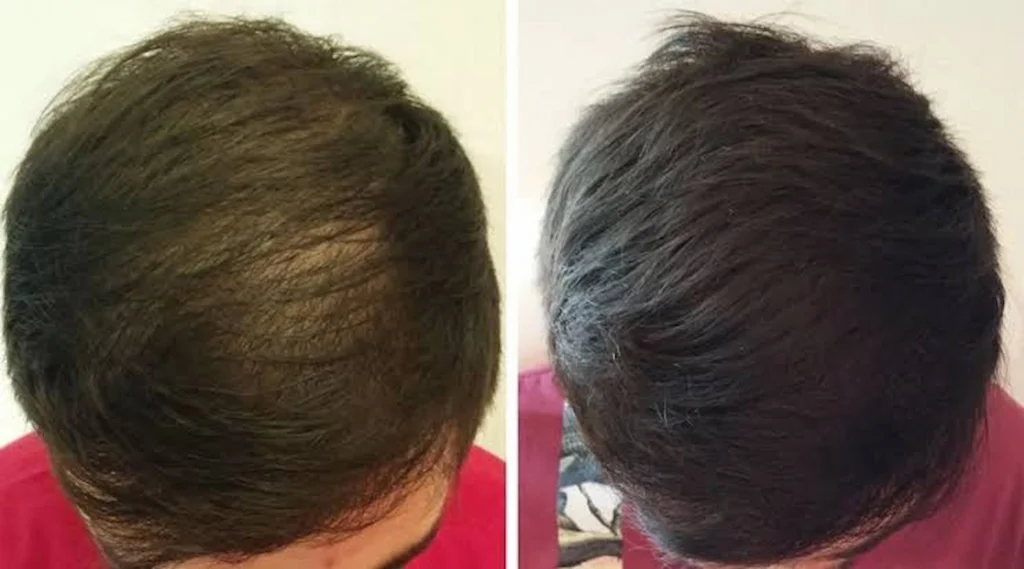
By 12 months, many patients see clear results and better coverage. Hair in the crown area may take up to 18 months to reach its full growth.
Years 2–10: Hair Growth and Density
Between years two and ten, healthy transplanted follicles usually keep growing. Yet natural hair may become thinner as pattern baldness continues. This can lower overall hair density, even if the transplanted follicles remain healthy. Understanding what a hair transplant after 10 years may look like can help patients set realistic expectations about long-term density.
What Happens 20 Years After a Hair Transplant?
After 20 years, many transplanted follicles may still produce hair. Aging, ongoing hair loss, and changes in hair thickness can affect how full the scalp looks. Research on graft survival over 20 years is limited, so doctors cannot predict exact results.
Can You Still Go Bald After a Hair Transplant?
Yes, you can still lose natural hair after a transplant. Hair transplant surgery moves existing follicles but does not stop pattern baldness. Hair around the treated area may keep thinning while transplanted follicles continue to grow. If you notice transplanted hair falling out after 2 years, a doctor can help determine whether the change involves transplanted follicles, surrounding natural hair, or another cause.
This is common in men who have surgery before their hair loss becomes stable. A doctor may suggest medical treatment to slow further thinning. Future hair loss and donor hair supply help determine whether you need more treatment.
Do FUE and FUT Last Equally Long?
Follicular unit extraction (FUE) and follicular unit transplantation (FUT) can both provide long-lasting results. FUE removes hair follicles in small groups, while FUT removes a strip of scalp and divides it into grafts. Neither method guarantees that transplanted hair will last longer.
FUE is often called minimally invasive, but it is still surgery and leaves small scars. Direct Hair Implantation (DHI) uses tools such as implant pens to place follicles into the scalp. DHI places grafts directly, without a separate method for removing them.
The choice between FUE and FUT depends on donor hair, scalp health, and future needs. A doctor’s skills and careful graft handling are key factors in graft survival.
How Long Does a Hair Transplant Take to Heal?
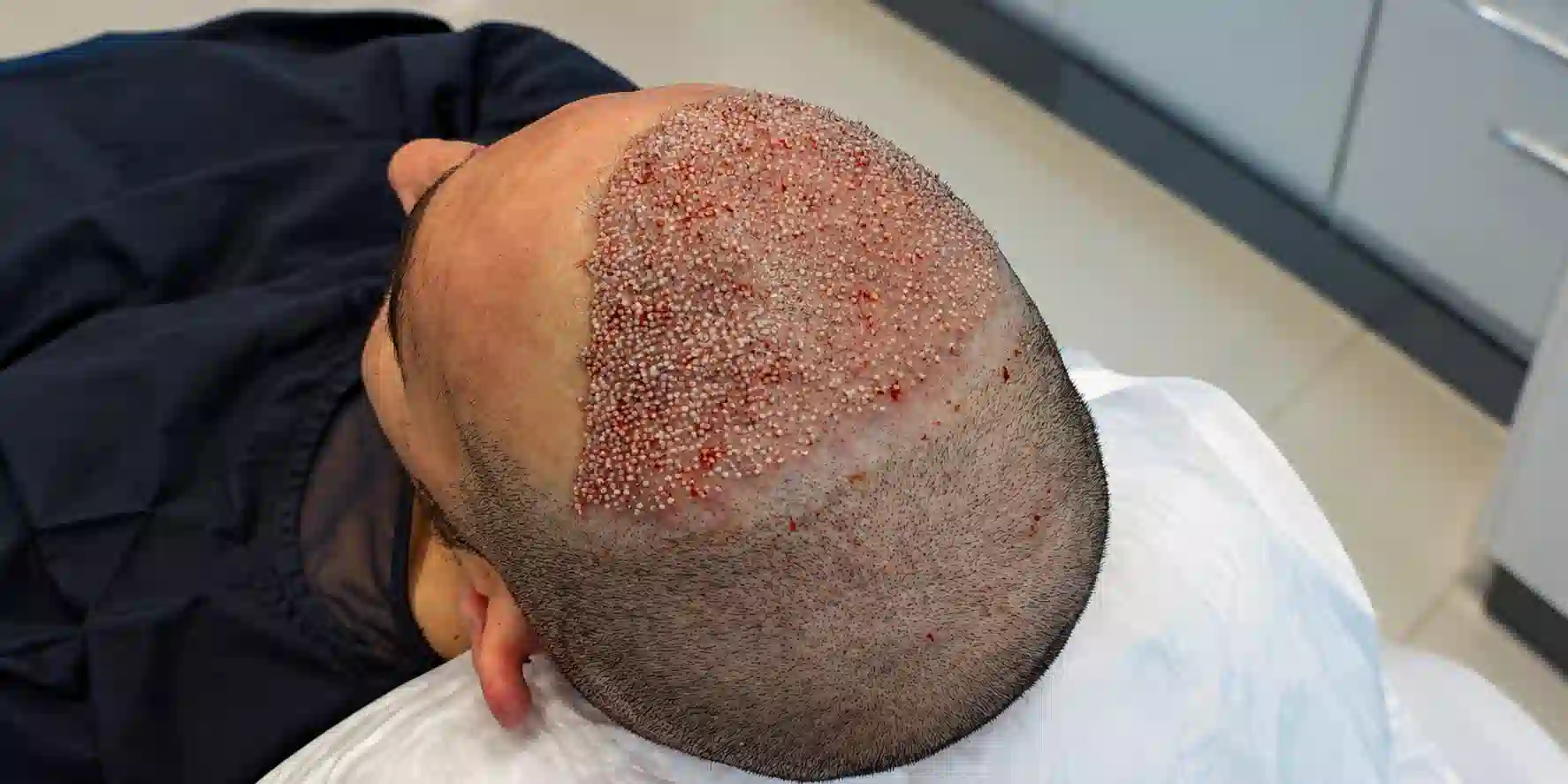
A hair transplant usually takes 7–14 days for the scalp to begin healing and most scabs to clear. Mild pain, swelling, redness, and scabbing are common during the first week. Most patients can return to light daily activities within a few days, but hair transplant recovery takes longer and varies by procedure.
Local anesthesia keeps the scalp numb during surgery, though some discomfort may occur afterward. Patients should protect the grafts during the first two weeks and follow their surgeon’s instructions for washing, sleeping, and exercise. Seek prompt medical attention for severe pain, fever, spreading redness, or unusual drainage.
 How to Maintain Hair Transplant Results
Keeping your results depends on protecting existing hair and slowing further hair loss. Hair loss treatments such as minoxidil and finasteride may help patients with pattern baldness. These drugs can have side effects, so a doctor should decide whether they are suitable.
Follow-up visits help doctors check new growth, scalp health, and changes in hair density. Patients comparing clinics in Mexico, Turkey, or the United States should review medical standards, doctor involvement, and access to follow-up care. Surgical care can vary between clinics, especially those that treat many patients each day.
Regular follow-up can also help doctors find poor graft growth or other problems early. Before surgery, patients should confirm who performs each step and what care is available after they return home.
Will You Need a Second Hair Transplant?
Not everyone needs another transplant, but some patients choose one as hair loss continues. A second procedure may restore new thinning areas, add density, or improve coverage. The decision depends on scalp health, donor hair supply, and the results of the first surgery.
A doctor must check whether enough healthy donor hair remains. Taking too many grafts can cause thinning and limit future options. Long-term planning should account for future hair loss, not just the results seen after the first procedure.
Hair transplant results depend on your hair loss pattern, donor hair quality, and long-term treatment plan. Schedule a free consultation with Hair Restoration Mexico to discuss your options and receive a personalized evaluation.