
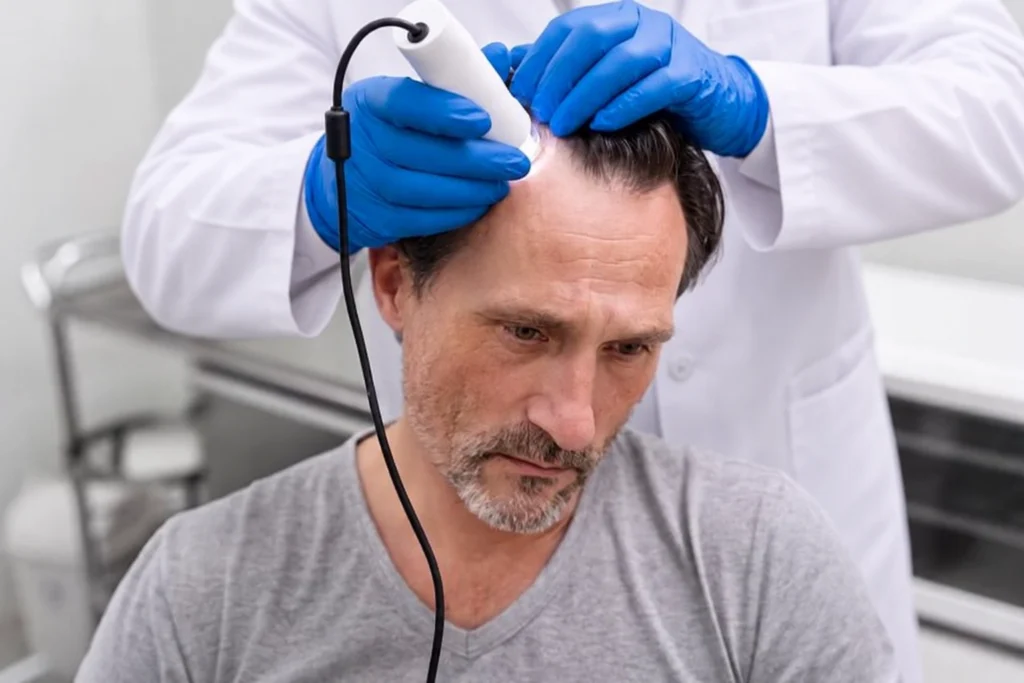
Patient safety depends on medical screening, trained doctors, proper anesthesia use, and access to emergency care. Unlicensed staff, poor infection control, and very long surgical sessions may increase risk. The International Society of Hair Restoration Surgery (ISHRS) supports physician oversight to help protect patients. These standards matter when comparing Hair Transplant Mexico with other clinics worldwide.
Key Takeaways
- Hair transplant surgery has a low risk of death, but there is no reliable global mortality rate. Reported deaths are rare, and available studies cannot show the exact risk.
- Serious complications may include anesthesia toxicity, severe infection, heavy bleeding, and heart problems. Existing health conditions can increase these risks.
- Common side effects include swelling, redness, numbness, and temporary hair shedding. Less common problems include poor graft growth, scarring, and skin damage.
- Medical screening, trained physicians, proper anesthesia use, and follow-up care help reduce surgical risks.
- Hair transplants in Mexico can be safe when clinics meet medical standards. Patients should check doctor credentials, facility safety, emergency care, and follow-up plans.
What Is the Hair Transplant Death Rate?
There is no confirmed worldwide death rate for hair transplant surgery. A death from a hair transplant is possible, but fatal events are very rare. Medical studies and case reports describe serious problems, but they don’t provide enough data to calculate the exact risk.
A reliable mortality rate needs two numbers: total deaths and total surgeries during the same period. No complete global system tracks both figures for this procedure. As a result, reported deaths cannot be used to calculate an accurate worldwide percentage.
Hair Transplant Death Rate in Men
There is no confirmed death rate for male hair transplant patients. Men often seek this treatment for male pattern baldness, also called androgenetic alopecia. Still, research does not show how often fatal problems occur in men who undergo this surgery.
A man’s overall health can affect his surgical risk. Heart disease, uncontrolled diabetes, and past anesthesia reactions may increase the chance of problems. Certain medications can also affect bleeding or interact with drugs used during surgery. A doctor should review these risks before treatment.
Documented Deaths and Medical Evidence
Yes, deaths following hair transplant procedures have been reported, although they are rare. Documented cases include fatal complications involving local anesthesia, while other reported deaths remain under investigation or have no confirmed cause.
A 2018 medical review found no published death cases at that time, but more recent reports have provided additional evidence. Global data are still insufficient to calculate an exact mortality rate.
Causes of Fatal Complications
Fatal problems may occur when anesthesia affects the heart or brain. Severe infections can also spread through the body and cause sepsis, a dangerous response to infection. In some cases, an existing health condition may lead to a medical emergency during or after surgery.
Hair transplantation involves the scalp, not major internal organs. Even so, medication use and surgery length can affect patient safety. Doctors must watch for early signs of trouble and have a plan to treat serious reactions.
Is a Hair Transplant High Risk?
For healthy patients who pass medical screening, hair transplantation is usually considered low risk. Most complications are mild and improve as the scalp heals. Serious problems are less common, but no surgery is risk-free.
Hair restoration surgeries include follicular unit extraction (FUE) and follicular unit transplantation (FUT). FUE removes small groups of follicles one at a time from the donor area, while FUT removes a strip of scalp tissue to collect grafts. Both methods can restore hair in suitable patients. They also carry risks of infection, bleeding, scarring, and poor healing.
Common Hair Transplant Side Effects
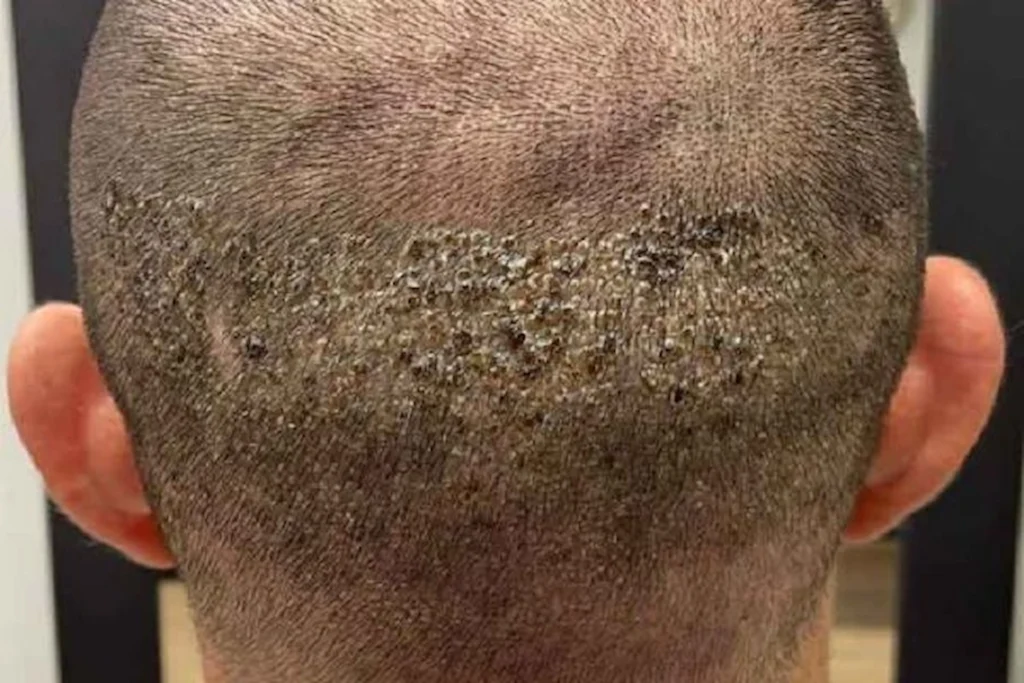
Swelling, redness, itching, and mild pain are common during early recovery. Small scabs may form around the transplanted areas and fall off as the skin heals. Some patients also notice temporary shedding of transplanted hair or nearby native hair.
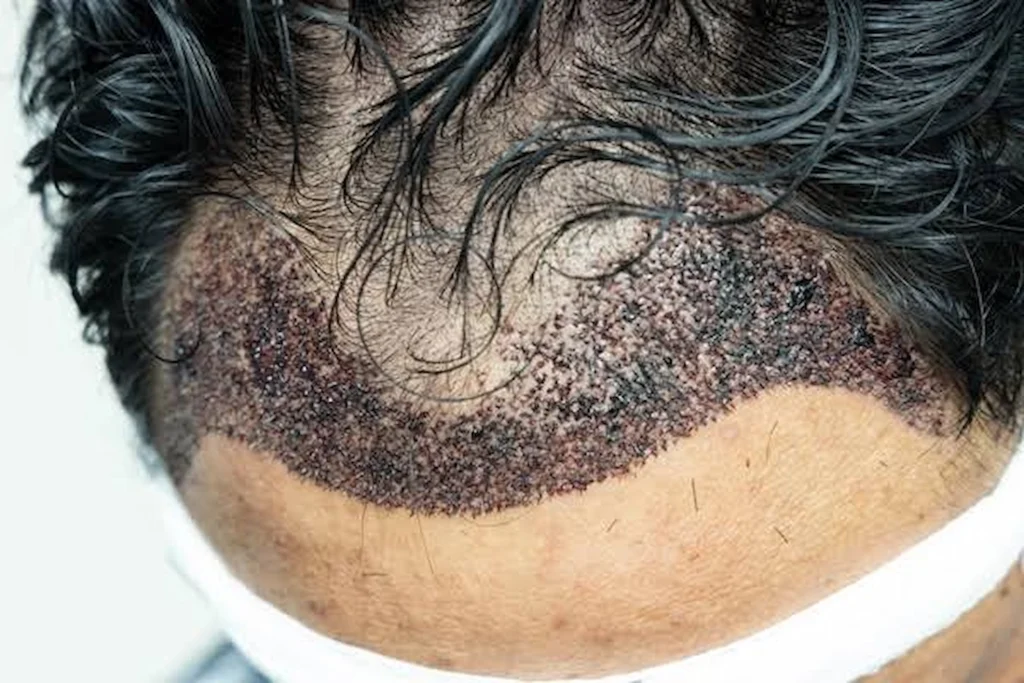
This shedding is often called shock loss. It can occur after surgery because follicles respond to the stress of treatment. In many cases, the affected follicles begin growing hair again over the following months.
Other possible side effects include:
- Folliculitis after a hair transplant: Small, inflamed bumps may form around hair follicles.
- Numbness: The scalp may feel less sensitive while nerves recover.
- Scarring: FUE may leave small marks, while FUT usually leaves a line-shaped scar.
- Poor graft growth: Some transplanted follicles may not survive or grow as expected.
- Skin necrosis: Rare tissue damage can occur when an area doesn’t receive enough blood.
Side effects vary in type and severity from patient to patient. Mild swelling and discomfort often improve within days. If pain worsens, drainage is unusual, or the skin changes significantly, see a doctor.
Anesthesia and Surgical Complications
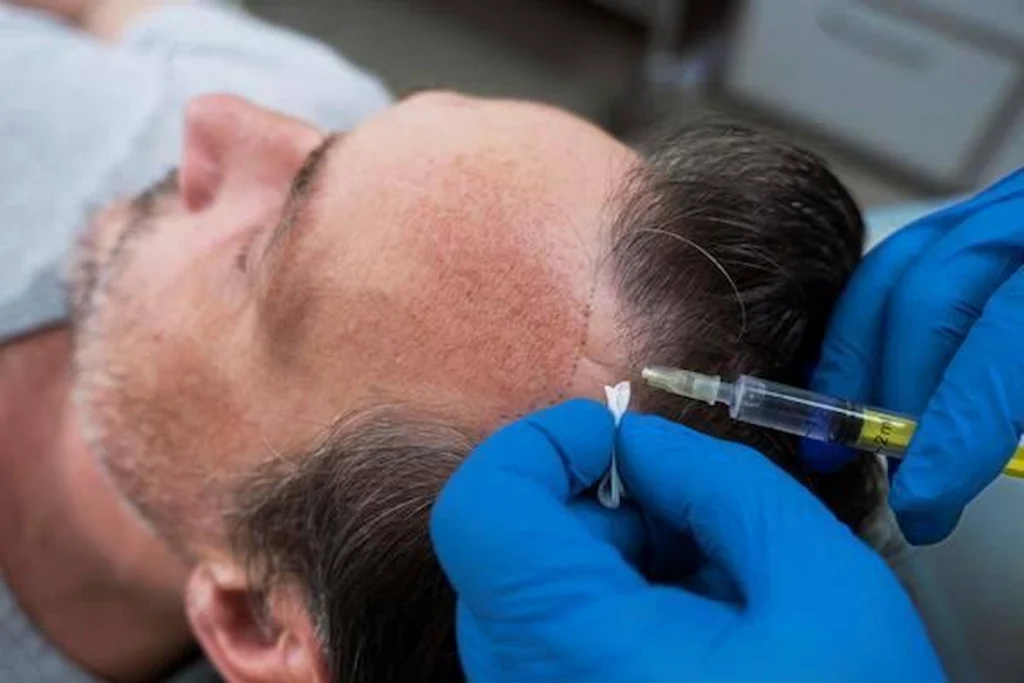
Hair transplants usually use local anesthesia, such as lidocaine, to numb the scalp. In rare cases, excessive doses or accidental injection into a blood vessel can cause local anesthetic systemic toxicity. Symptoms may include ringing in the ears, confusion, seizures, abnormal heart rhythms, or cardiac arrest. Proper dosing and emergency preparation help reduce these risks.
Other possible complications include heavy bleeding, infection, and poor wound healing. These problems are uncommon but may require medical treatment. Qualified physicians should monitor patients during surgery and respond quickly to signs of complications.
Can Hair Transplants Cause Cancer?
There is no established evidence that a standard hair transplant causes cancer. The procedure moves a patient’s own follicles from one part of the scalp to another. It does not introduce new cells from another person or use a treatment known to cause cancer as part of the normal process.
Some patients may notice bumps, scars, or scalp changes after surgery. These changes usually reflect healing or inflammation rather than cancer. Still, patients should have any new or changing skin growth checked by a medical professional.
Patients with a history of skin cancer or radiation treatment may need extra care. Past treatment can affect the skin and reduce its ability to heal. A doctor should assess the scalp before deciding whether surgery is suitable.
Medical Conditions That Increase Risks
Certain health conditions can increase the risk of complications during hair transplant surgery. The main risk factors include:
- Heart disease: May increase the risk of problems related to anesthesia and surgical stress.
- Uncontrolled diabetes: Can slow wound healing and increase the risk of infection.
- High blood pressure: May increase bleeding risks, especially when poorly controlled.
- Bleeding disorders: Can cause excessive bleeding during or after surgery.
- Liver or kidney disease: May affect how the body processes medications.
- Smoking: Reduces blood flow and may delay healing in the donor and recipient areas.
- Certain medications: Blood thinners and some supplements can increase bleeding or interact with anesthesia.
A doctor should review each patient’s medical history and medications before surgery. Some conditions may require treatment or better control before proceeding.
How Can Patients Reduce Hair Transplant Risks?
The first step toward safer surgery is a complete medical assessment. Patients should share their medical history, discuss potential risks, and know who will perform the procedure. A clear treatment plan helps doctors identify issues that may affect surgery or recovery.
The International Society of Hair Restoration Surgery states that trained, licensed physicians should lead key surgical steps, subject to each country’s lawful professional roles. This includes medical diagnosis, surgical planning, and managing possible complications. Patients should know which medical professionals will handle each stage of treatment.
Medical Screening and Physician Qualifications
Before surgery, a physician should review the patient’s medical history, medications, allergies, and hair loss pattern. The evaluation also checks scalp health, donor hair supply, and conditions that may affect healing. Patients with uncontrolled health problems, active scalp disease, or limited donor hair may not be suitable candidates.
Patients should verify the physician’s medical license, training, and experience with different hair types. For example, afro-textured hair has curved follicles that can make extraction more difficult. A qualified physician should understand these differences and adjust the surgical technique when needed.
Safety During Surgery and Recovery
During hair transplant surgery, qualified medical staff should monitor the patient, use sterile equipment, and safely manage anesthesia. FUE and DHI procedures require careful graft handling and physician oversight to reduce the risk of infection, bleeding, and tissue damage. The clinic should also have trained staff and emergency equipment available.
After surgery, patients should follow post-hair transplant care instructions for washing, sleeping, medication use, and physical activity. Avoiding pressure or scratching around the grafts helps protect the healing scalp. Follow-up appointments let doctors check recovery, detect complications, and provide care as needed.
Warning Signs Requiring Emergency Care
Mild swelling, redness, and tenderness can be normal after surgery. Severe or rapidly worsening symptoms may indicate a more serious problem. Patients should know when to seek urgent medical help instead of waiting for their next follow-up visit.
Seek emergency medical care for these symptoms:
- Chest pain, severe trouble breathing, or fainting.
- Seizures, severe confusion, or sudden changes in movement or speech.
- Heavy bleeding that does not stop with firm pressure.
- Fever with rapidly spreading redness or severe illness.
- Throat swelling or other signs of a severe allergic reaction.
Other symptoms may also need prompt medical attention. These include increasing pain, unusual drainage, worsening redness, or a persistent fever. Patients who have returned home should seek local care if serious symptoms develop. Early medical treatment can reduce the risk of further harm.
Hair Transplant Graft Survival Rate
Hair transplant graft survival rates are often reported at 85% to 95% or higher, although results vary by technique, patient health, and how survival is measured. Success depends on proper graft handling, a healthy blood supply, and careful placement of each follicular unit. Scarring, infection, and poor healing may reduce the number of grafts that grow successfully.
Temporary shedding after surgery does not mean the grafts have failed. New growth often starts within three to four months, with most results becoming visible around 12 months. Crown restoration may take up to 18 months to show the final result. Long-term planning helps patients prepare for future hair loss and maintain natural-looking coverage as they age.
Are Hair Transplants in Mexico Safe?
Hair transplants in Mexico can be safe when qualified physicians perform procedures in properly equipped medical facilities. Patient safety depends on medical screening, physician involvement, infection control, and access to emergency care. Patients should also verify the doctor’s credentials, clinic standards, and follow-up arrangements before surgery.
Medical Standards and Physician Oversight
Hair transplant clinics in Mexico must follow applicable healthcare regulations, and physicians must hold valid medical licenses. The International Society of Hair Restoration Surgery (ISHRS) recommends that qualified medical professionals oversee surgical planning, graft extraction, and implantation. Patients should verify the doctor’s credentials, facility standards, and who performs each surgical step.
Hair Transplant Mexico is located in San Pedro Garza García, an affluent area of Monterrey, Mexico. Dr. Antonio Aguilar is an FUE hair transplant specialist with over 10 years of experience performing hair restoration procedures. His clinical background informs the medical care offered at the facility, while patient safety depends on proper medical oversight and established safety practices.
Safety Considerations for International Patients
Patients traveling for surgery need to plan for both treatment and recovery. The first few days often involve swelling, scalp care, and activity limits. Early follow-up visits allow the medical team to check healing and address concerns.
Traveling home too soon can make medical care harder if problems occur. Patients should discuss their travel plans with the treating physician before surgery. They should also know where to seek medical care after returning home.
Good follow-up care matters after the patient leaves the clinic. Patients should receive written instructions and a way to contact the medical team. They should also have a plan for urgent medical needs near their home.
Cost is another reason patients compare treatment locations. The total price may include surgery, travel, lodging, medication, and future care. A lower price does not always mean lower quality, and a higher price does not guarantee better results.
The available medical evidence shows that fatal complications are very rare, but their exact frequency remains unknown. Medical screening, trained physicians, safe anesthesia use, and proper follow-up can lower the chance of preventable problems. Patients should base their decisions on reliable medical information, their health, and realistic expectations.
Understanding the risks of hair transplant surgery can help you make an informed decision. At Hair Transplant Mexico, Dr. Antonio Aguilar evaluates each patient’s hair loss, medical history, and treatment options. Schedule a free consultation to discuss your needs and determine whether a hair transplant is right for you.
Medical References
- Kerure AS, Patwardhan N. Complications in Hair Transplantation. Journal of Cutaneous and Aesthetic Surgery. 2018;11(4):182–189.
- Gupta AK, et al. Medicolegal Issues in Hair Transplantation: A Review of North American Court Decisions and Canadian Regulatory Complaints. Journal of Cosmetic Dermatology. 2026.
- International Society of Hair Restoration Surgery. Position Statement on Qualifications for Scalp Surgery. Revised July 13, 2024.