Hair Transplant Guadalajara, Mexico: Doctor-Led FUE in Monterrey
Dr. Antonio Aguilar performs doctor-led FUE hair transplants at his clinic in San Pedro Garza García, Monterrey. No clinic exists in Guadalajara, so patients from Guadalajara and the rest of Jalisco travel to Monterrey for the procedure. This page explains how the trip works, what it costs, and how to start with a free consultation.
Hair transplant surgery moves healthy hair follicles from one part of the scalp to areas affected by hair loss. Doctors examine scalp health, hair density, donor supply, and the pattern of hair loss before suggesting treatment.
Dr. Antonio Aguilar, a physician experienced in hair restoration procedures, explains that a full medical evaluation helps determine whether surgery is appropriate. This guide explains the procedure, treatment areas, recovery stages, cost factors, and safety points related to hair transplantation.
Your Surgeon: Dr. Antonio Aguilar
Dr. Antonio Aguilar is a physician who focuses on hair restoration with the FUE technique. He earned his medical degree at Universidad del Noreste and completed a U.S. medical internship at Houston Methodist Hospital and St. Luke’s Hospital.
What Is Hair Transplant Surgery
Hair transplant surgery is a medical procedure that relocates hair follicles from a donor area to an area with thinning or missing hair. The donor area is usually located on the back or sides of the head because hair in these areas often continues to grow even when hair loss affects the hairline or crown.
Doctors remove small groups of hair follicles and place them where more coverage is needed. The goal is to improve hair distribution in a natural-looking way.
Modern hair transplant surgery is usually minimally invasive. Doctors use very small tools rather than large surgical incisions. This helps reduce visible scarring and allows the scalp to heal faster than older methods. It also allows the surgeon to place grafts with close control over angle and direction.
Hair transplantation is often used for genetic hair loss, also known as pattern hair loss. It can also restore hair in the beard, eyebrows, or scar areas when donor hair is available. Results depend on the number and health of donor follicles, the quality of the recipient area, and the long-term pattern of hair loss. A transplant can improve coverage, but it does not create unlimited density.
How FUE Hair Transplant Works
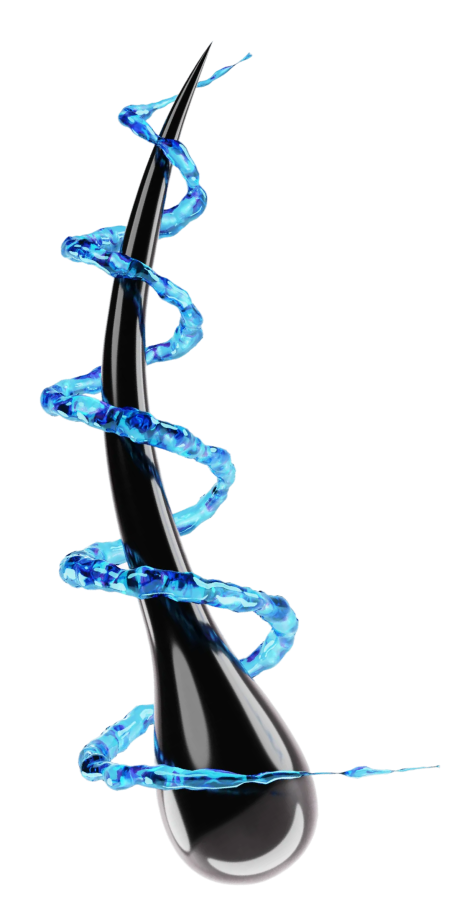
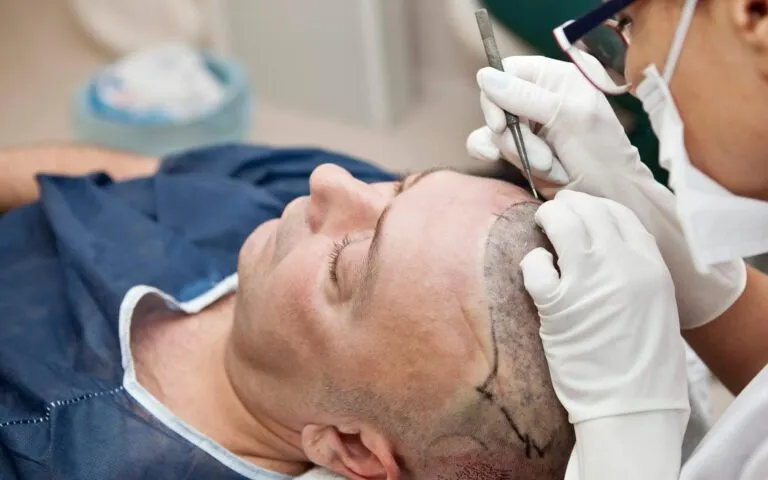
FUE hair transplantation, also called follicular unit extraction, is a common method used today. During the procedure, the doctor removes small follicular units from the donor area one at a time. Each unit usually contains one to four hairs. These grafts are prepared and then implanted in the treatment area.
After extraction, the doctor creates tiny openings in the scalp. Hair grafts are placed into these openings in a pattern that matches natural hair growth. The direction, spacing, and angle of the grafts all matter. This step helps the transplanted hair appear natural once it grows.
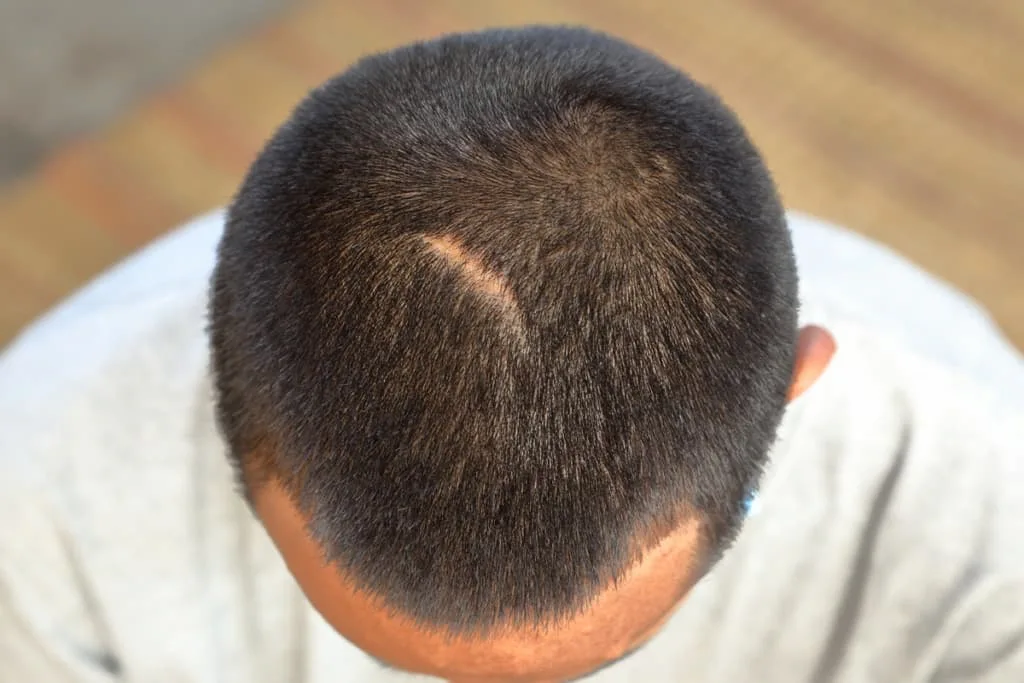
FUE hair transplantation avoids a long linear scar because grafts are removed individually. Small extraction points usually heal within several days. Many patients return to normal daily activities soon after treatment, although the scalp still needs protection during early healing.
Recovery time can vary based on the number of grafts and the size of the treatment area.
Graft Handling and Planning During FUE
Many clinics that offer hair transplants use follicular unit extraction because it allows careful placement of each hair graft. Doctors must handle each follicular unit gently to protect the hair follicles during removal, storage, and implantation. Poor handling can reduce graft survival. Good technique helps preserve the follicle’s structure.
At any clinic, the procedure depends on careful planning and physician supervision. Hair grafts must remain hydrated and protected before they are implanted. The timing of each stage also matters because follicles are sensitive outside the scalp. Good handling improves the chances that transplanted hair will grow.
Some clinics use specialized tools, such as implantation pens, to place grafts. These tools can help control the depth and angle of each hair implant. They do not replace medical judgment or surgical skill. The result still depends on planning, graft quality, and the care used during each part of the procedure.
Hair Graft Extraction And Placement
Hair graft extraction is one of the most delicate parts of a hair transplantation procedure. The doctor separates each follicular unit using small surgical tools. Each graft must stay intact so the hair follicles can grow later. Careful work protects graft quality and helps preserve the donor area.
After removal, the grafts are placed in a special solution. This solution maintains hair follicles' health until implantation begins. Proper storage helps protect the grafts from drying or damage. Even small handling errors can affect later growth.
The doctor then places each graft into tiny openings in the scalp. The grafts follow the direction of natural hair growth, so the new hair blends with existing hair. Placement also affects density and shape. In hairline work, even small changes in angle or spacing can change the final look.
Hair Transplant Evaluation And Candidacy
Not everyone with hair loss is a candidate for hair transplant surgery. Doctors review several factors before recommending treatment. One key factor is the amount of donor hair available. Another is whether the patient’s hair loss pattern is stable enough to support long-term planning.
Hair loss progression also matters. If hair loss continues quickly, doctors may suggest medical treatment first. Stabilizing hair loss can help protect remaining hair and improve future planning. This is important because a transplant moves existing follicles but does not prevent future loss in untreated areas.
A consultation helps patients understand realistic expectations. Hair transplantation improves coverage, but it does not achieve the same density as a full natural head of hair. Doctors also review scalp condition, hair caliber, contrast between hair and skin color, and the size of the treatment zone. These factors all influence the final result.
Areas Treated With Hair Transplants
Hair transplant surgery can restore hair in several areas of the body. The scalp is the most common treatment area. The same method can also restore facial hair or help cover scars. Each area has different goals, growth angles, and density needs.
Doctors adjust implantation techniques based on the treatment area. Hair direction and skin thickness vary between regions. A crown pattern is different from a frontal hairline. Beard and eyebrow work also need very careful placement because the wrong angle is easy to notice.
Common treatment areas include:
Frontal hairline
Crown or vertex
Beard and mustache
Eyebrows
Scar areas
Each area requires careful graft placement and a plan that matches the patient’s anatomy.
The frontal hairline often receives close attention because it frames the face. The crown may require many grafts if the thinning area is broad. Beard transplants usually focus on patchy areas or on improving shape. Eyebrow restoration uses very fine planning because the hairs grow at a low angle and the pattern is compact.
Choosing a Hair Transplant Clinic From Guadalajara
Patients comparing destinations often review physician training, clinic safety standards, follow-up care, and the degree of doctor involvement during surgery. They may also consider travel time, lodging, and the ease of attending follow-up visits. Medical regulations and clinic models can differ from one place to another. These differences matter when patients compare treatment across regions.
Hair Transplant Mexico operates a clinic in San Pedro Garza García, Monterrey, an affluent area in northern Mexico with modern medical infrastructure. Patients choosing a clinic usually compare medical oversight, continuity of care, and total treatment cost, not only the city name.
Why Patients Compare Treatment Destinations
Patients researching hair restoration often compare Mexico with destinations such as the United States or Turkey. These regions operate under different healthcare systems and regulations. Clinic structure can also vary. Some centers use high-volume models, while others maintain closer physician involvement throughout the procedure.
In some clinics, physicians perform most parts of the surgery. In others, technicians assist with certain steps under different levels of supervision. That difference matters because extraction, recipient site creation, and graft placement all affect the final result. Patients often ask who performs each step and who supervises the case.
Patients also review follow-up care when comparing treatment options. Continued communication with the physician helps monitor healing and hair growth. This is especially important for people who travel from another city or country. A strong follow-up plan can help patients manage recovery, questions, and long-term expectations.
Hair Transplant Cost for Patients From Guadalajara
Cost is one of the most common questions patients ask when researching hair restoration. The cost of a hair transplant at Hair Transplant Mexico depends on several factors. These include the number of grafts needed, the treatment area, the case complexity, and the level of physician involvement. A smaller hairline case differs from a full-scalp or beard procedure.
Typical treatment ranges at our Monterrey clinic:
- Single area FUE Hair Transplant, crown or hairline
- Full FUE Hair Transplant
- Single area plus full beard FUE Hair Transplant
- Full Beard FUE Hair Transplant
- About $4,500–$8,000
- About $6,000–$10,000
- About $5,500–$9,000
- About $4,500–$8,000
The final price depends on the number of hair grafts, surgical planning, and the time needed for the procedure. Some clinics charge by graft count, while others use package pricing. Patients should also consider what is included, such as consultation, medications, follow-up visits, and travel support. A consultation helps determine the most suitable treatment plan and a more exact estimate.
Travel and Logistics for Patients Coming From Guadalajara
Patients who travel for surgery often plan their visit carefully. Travel planning helps reduce stress during treatment and recovery. It also helps patients move between the airport, hotel, and clinic without added pressure during the early healing period. This part of care can matter more than people expect.
Hair Transplant Mexico coordinates hotel accommodations and transportation for visiting patients. Dr. Antonio Aguilar arranges hotel stays and a private driver to assist during the visit. Transportation is organized between the airport, hotel, and clinic. This helps patients travel safely and focus on the procedure and recovery. The clinic is located at Río Colorado 330, Del Valle, 66220 San Pedro Garza García, N.L.
For patients coming from another region, travel timing matters. Many doctors recommend staying nearby for early follow-up and scalp checks. This gives the medical team time to review the grafts, answer questions, and confirm that healing is progressing as expected. Good logistics can support a smoother recovery experience.
Recovery After Hair Transplant Surgery
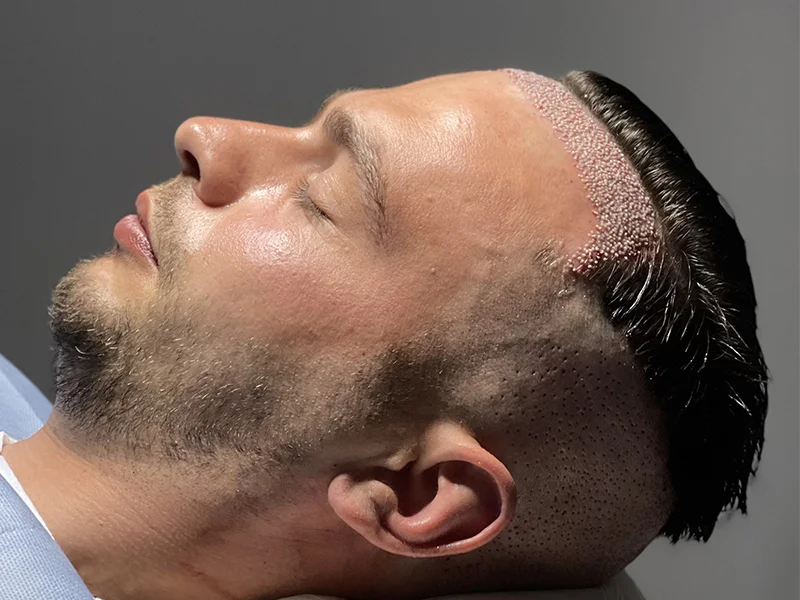
Recovery after hair transplant surgery occurs in stages. Many patients return to normal activities within a few days, but the scalp continues healing for several weeks. The newly placed grafts are delicate during the first part of recovery. This is why doctors give detailed aftercare instructions.
The newly implanted transplanted hair follicles remain sensitive during early healing. Patients are usually told how to wash the scalp, how to sleep, and how to avoid rubbing the treated area. Simple actions during the first days can affect graft protection. Follow-up visits help physicians monitor healing and early hair growth.
Recovery Post Hair transplant also includes patience. The cosmetic result is not immediate because hair growth follows a biological cycle. Patients need to understand the healing timeline so they do not judge the result too early. Clear instructions and realistic expectations can reduce stress during this period.
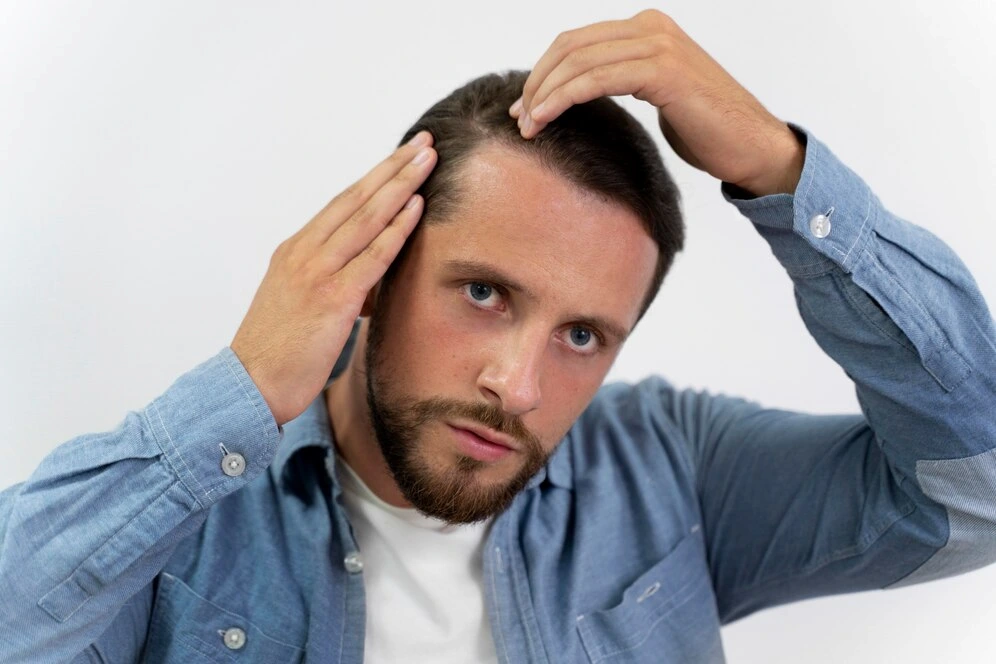
First Week Healing Period
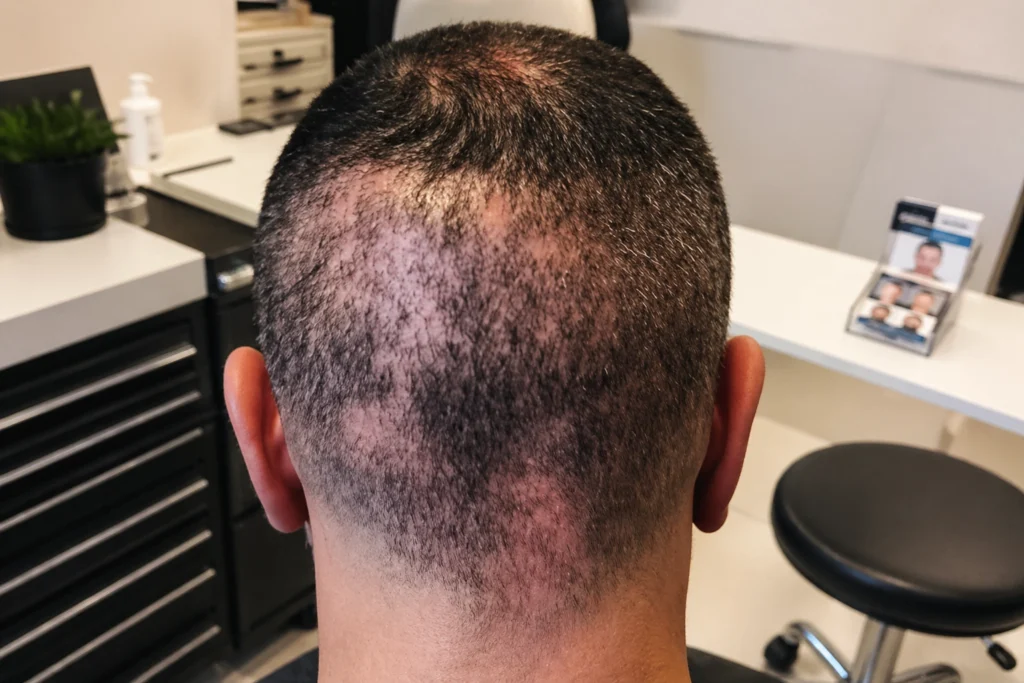
Small scabs form around the implanted grafts during the first week. These scabs fall away as the scalp heals. Some redness or mild swelling may appear during this stage. These symptoms usually improve within a few days.
Doctors often advise patients not to scratch the scalp or disturb the grafts. Gentle washing begins according to the clinic’s instructions. The goal is to keep the area clean while protecting the new grafts. Care during this stage supports the next phase of healing.
Shedding Phase After Transplant
Transplanted hair often sheds during the first weeks after surgery. This stage is called shock shedding. The visible hair strands fall out while the follicles remain under the skin. This can be surprising, but it is usually expected.
Shedding does not mean the procedure failed. The follicles stay in place and later begin a new growth cycle. Patients who understand this stage usually feel more prepared. This is one reason clear preoperative counseling is important.
New Hair Growth Timeline
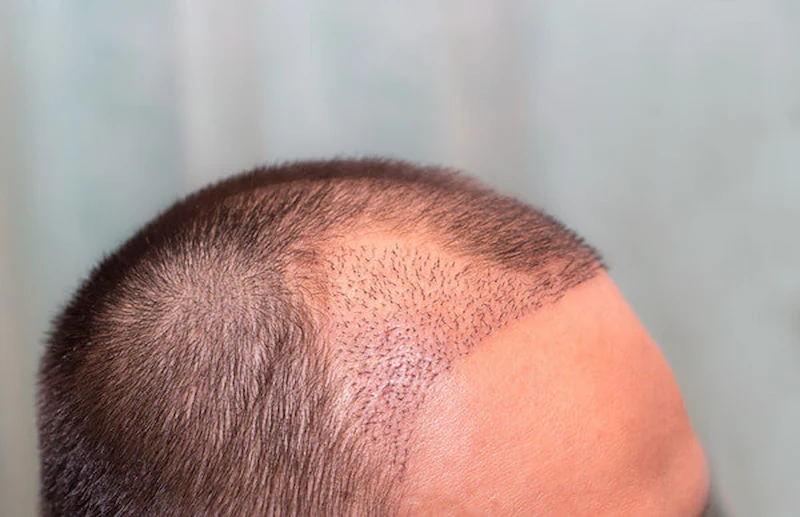
Hair growth after a transplant occurs in stages and follows the normal hair cycle. During the first two weeks, the scalp focuses on healing. In the following weeks, many patients experience shock shedding, when the transplanted hairs fall out but the follicles remain under the skin. New growth usually begins around months three to four, and the early hairs may look thin or soft.
Hair often becomes thicker between months six and nine as more follicles enter active growth. Coverage improves gradually, not all at once. Most patients see the clearest density between twelve and fifteen months after surgery, although timing can vary by patient and treatment area. Doctors often review progress during this period to judge the long-term result.
Safety And Medical Considerations
Hair transplant surgery is generally safe when performed by trained physicians in a proper medical setting. Still, all medical procedures carry some risk. Safety depends on patient selection, surgical planning, sterile technique, and aftercare. The consultation is part of risk control because it helps identify issues before surgery.
Possible issues include infection, swelling, temporary discomfort, or uneven hair growth. Not every patient heals at the same speed. Donor quality, skin characteristics, and the size of the case can all influence recovery. Clear communication between the patient and the doctor helps reduce risk.
Risks And Outcome Variability
Hair transplant results vary between patients. Donor hair quality, hair caliber, scalp condition, and surgical technique all influence outcomes. Some patients may need additional procedures to increase density or treat another area later. A transplant is often part of a longer hair restoration plan, not always a one-time event.
Medical evaluation helps determine realistic expectations. Doctors review what is possible with the available donor supply and the pattern of current and future hair loss. This helps patients understand limits before treatment. Clear planning supports better long-term decisions.
Importance Of Informed Consent
If you are considering hair restoration, speaking with a qualified physician can help clarify your options. A consultation allows doctors to review your hair loss pattern, explain the procedure in detail, and answer questions about recovery and expected outcomes.
Patients who want personalized guidance can schedule a consultation to receive a professional evaluation and discuss whether hair transplant surgery may be appropriate for their situation.
If you are interested in talking to a professional doctor, get in touch with Antonio Aguilar to get a private consultation.
Patient Reviews
These reviews come from patients of Hair Transplant Mexico in San Pedro Garza García, Monterrey. Some mention video consultations before their trip, transportation and hotel during their stay, and follow-up after returning home.

Angel Gonzalez
2 months ago


Had a great experience with Dr. Antonio Aguilar from the initial consultations through video calls being that I live in South Texas, through post procedure care , Dr Antonio Aguilar and his assistants Marco and Martin made sure to carefully make the whole experience easy and comfortable from providing transportation to and from the clinic, explaining procedure process, answering any doubts or questions, setting and presenting you with realistic goals unique to your situation, and at home post care. Highly recommend this clinic.
Angel Gonzalez
2 months ago
Had a great experience with Dr. Antonio Aguilar from the initial consultations through video calls being that I live in South Texas, through post procedure care , Dr Antonio Aguilar and his assistants Marco and Martin made sure to carefully make the whole experience easy and comfortable from providing transportation to and from the clinic, explaining procedure process, answering any doubts or questions, setting and presenting you with realistic goals unique to your situation, and at home post care. Highly recommend this clinic.
Juan Alanis
2 months ago
From La Joya, Texas, Back in December 2025 I visited Doctor Aguilar for a hair transplant. Doctor Aguilar was very professional during the whole process.. its been 7 months and so far im very happy with the results
Marco Meza
2 months ago
Súper buena atención de Dr Aguilar y se sus asistentes, desde que llegas son súper amables, te explican todo, se toman el tiempo de ver si tienes más dudas. Yo vengo de Durango y me regaló dos noches de hotel en la zona centrito valle en San Pedro. Súper profesionales en el injerto, ta van explicando cuando te van a poner la anestesia, sus posibles síntomas, te dan tiempo de que en si te cansaste d ella posición tengas tiempo de acomodarte, tu musiquita para relajarte y su equipo y él tiene una muy bonita sinergia. Aparte desde que se cotizó con el procedimiento, te contesta todos los mensajes que le mandas en un tiempo muy rápido, y te aclara hasta la más mínima duda. Yo me anime por que vi resultados tangibles de personas que se han injertado con él y pues incluso el mismo doctor es el ejemplo de ello, pues con su propio tratamiento se le nota que la densidad de su cabello está muy buena. Sin duda lo recomiendo, anduve investigando y entrevistando en otras clínicas muy conocidas y esta fue la que más me convenció por mucho. Anímense!!!!Súper buena atención de Dr Aguilar y se sus asistentes, desde que llegas son súper amables, te explican todo, se toman el tiempo de ver si tienes más dudas. Yo vengo de Durango y me regaló dos noches de hotel en la zona centrito valle en San Pedro. Súper profesionales en el injerto, ta van explicando cuando te van a poner la anestesia, sus posibles síntomas, te dan tiempo de que en si te cansaste d ella posición tengas tiempo de acomodarte, tu musiquita para relajarte y su equipo y él tiene una muy bonita sinergia. Aparte desde que se cotizó con el procedimiento, te contesta todos los mensajes que le mandas en un tiempo muy rápido, y te aclara hasta la más mínima duda. Yo me anime por que vi resultados tangibles de personas que se han injertado con él y pues incluso el mismo doctor es el ejemplo de ello, pues con su propio tratamiento se le nota que la densidad de su cabello está muy buena. Sin duda lo recomiendo, anduve investigando y entrevistando en otras clínicas muy conocidas y esta fue la que más me convenció por mucho. Anímense!!!!
English translation: Very good service from Dr. Aguilar and his assistants. From the moment you arrive they are friendly, explain everything, and take the time to check whether you have more questions. I come from Durango and he gave me two nights of hotel in the Centrito Valle area in San Pedro. They are very professional with the graft, explaining when the anesthesia will be given and its possible symptoms, and giving you time to adjust if the position gets tiring. You get your music to relax, and he and his team work well together. Since the quote, he answers every message very quickly and clears up even the smallest doubt. I decided to go ahead because I saw tangible results from people treated by him, and the doctor himself is an example, since his own hair density looks very good. I recommend him without a doubt. I researched and interviewed other well-known clinics, and this one convinced me by far. Go for it!
Luis Gonzalez
2 months ago
Excelente atención del Dr. Antonio Aguilar y de todo su equipo. Desde la valoración recibí un trato amable y profesional. Me explicaron el procedimiento con claridad y respondieron todas mis dudas. Recomiendo ampliamente esta clínica para quienes estén considerando un injerto capilar.
English translation: Excellent service from Dr. Antonio Aguilar and his whole team. From the evaluation, I received kind and professional treatment. They explained the procedure clearly and answered all my questions. I highly recommend this clinic for anyone considering a hair transplant.
Real Stories, Real Results.
Don’t just take our word for it. Watch how our patients transformed their confidence and reclaimed their lives through hair restoration.
Frequently Asked Questions About Traveling for a Hair Transplant
Is there a clinic in Guadalajara?
No. Hair Transplant Mexico operates from one clinic in San Pedro Garza García, Monterrey. Patients from Guadalajara and the rest of Jalisco travel to Monterrey for their procedure.
Schedule Your
Free Consultation
A consultation with Dr. Antonio helps you understand your options, pricing, and expected results. You can also have this consultation by video.
You will receive a clear evaluation and a personalized plan. Contact Hair Transplant Mexico to begin your restoration process with medical guidance.
Hours: Monday to Friday 9 AM to 7 PM, Saturday 9 AM to 2 PM, Sunday closed
We typically respond within 12 hours.
Send Us a Message
We typically respond within 12 hours.
Let's get social
Follow us for brain-boosting tips, product updates, and exclusive offers.