

FUE leaves small, round scars, while FUT leaves a long, thin scar. Both scar types may show when you cut your hair very short. Some patients on Reddit and RealSelf report getting haircuts sooner, but their experiences do not set medical safety standards. Dr. Antonio Aguilar, an FUE specialist at Hair Transplant Mexico in San Pedro Garza García, Monterrey, has over 10 years of experience in hair restoration.
Key Takeaways
- You may get a buzz cut 3–6 weeks after surgery with your doctor’s approval. Very short cuts may require 8–12 weeks.
- Avoid clippers over new grafts during the first two weeks to protect the scalp and support healing.
- Use clean clippers, a protective guard, and light pressure once your scalp has healed enough.
- FUE leaves small, round scars, while FUT leaves a straight scar. Both may show with very short hairstyles.
- Cutting transplanted hair does not affect its growth once the scalp has healed. Full results usually appear within 10–18 months.
When Can You Get a Buzz Cut?
Most patients should wait about one month before getting a short haircut after a hair transplant. Some may need more time, based on how well their scalp heals. Ask your surgeon before using clippers over the treated area.
Haircut and Recovery Timeline
A 2006 study published in Dermatologic Surgery found that grafts were firmly attached by day nine under the study conditions. This does not mean the scalp has fully healed. The table below provides general guidance for haircuts during hair transplant recovery.
| Time After Surgery | Haircut Recommendations |
|---|---|
| Days 1–14 | Avoid cutting or shaving treated areas. |
| Weeks 3–4 | Trim with scissors if your doctor approves. |
| Months 1–3 | Use guarded clippers if the scalp has healed enough. |
| Months 3–6 | Try shorter styles with your doctor’s approval. |
| Months 6–12 | Return to normal haircuts if healing is complete. |
Risks of Getting a Buzz Cut Too Soon
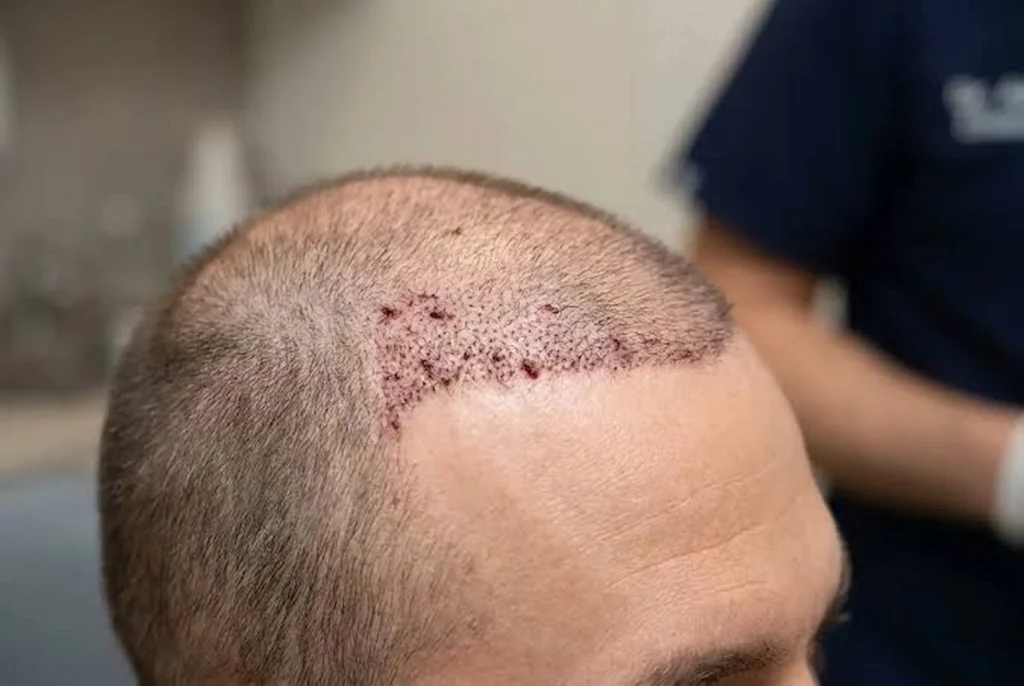
Cutting your hair too soon can harm new grafts and irritate the scalp. Clippers may pull off scabs or damage healing skin. Possible risks include:
- Loose or damaged grafts.
- Bleeding and skin irritation.
- Infection from dirty clippers.
- Slower scalp healing.
How to Safely Buzz Your Hair
Use clean clippers with a protective guard. Move slowly and avoid pressing the blades against your scalp. Tell your barber about your surgery and any limits your doctor has set.
Donor and Recipient Area Precautions
The donor area is where the surgeon removes healthy follicles. The recipient area is where the surgeon places the new grafts. These areas may heal at different rates, so ask your doctor when you can trim each one.
Clipper Guard Sizes and Hair Length
Start with a longer clipper guard once your doctor approves. A long buzz cut can help cover thin areas while transplanted hair grows. These common guard sizes show different haircut lengths, not medical safety limits.
| Clipper Guard | Approximate Length | Appearance |
|---|---|---|
| #1 | 3 mm | Very short |
| #2 | 6 mm | Short |
| #3 | 10 mm | Moderate coverage |
| #4 | 13 mm | Longer buzz cut |
Can You Shave Your Head?
Yes, you can shave your head after a hair transplant, but a close razor shave may require waiting 3–6 months. After FUE, some surgeons allow you to shave the donor area after one month, once the skin has healed.
Razors make direct contact with the scalp and can cause small cuts or irritation. Always get your surgeon’s approval before shaving either area, as recovery times vary.
Buzz Cut After FUE vs. FUT
Follicular unit extraction (FUE) removes small groups of follicles one at a time. Follicular unit transplantation (FUT) removes a strip of skin containing healthy follicles. Both methods restore hair, but they leave different types of scars.
| Feature | FUE | FUT |
|---|---|---|
| Scar type | Small, round scars | Long, straight scar |
| Very short haircuts | May show small marks | May show the straight scar |
| Donor area healing | Small wounds | Surgical cut |
| Shaved head | Scars may show | Scar may show |
Scar Visibility and Donor Area Appearance
Scar visibility depends on your skin tone, healing, and hair density. Removing too many grafts can leave thin or patchy areas that become more visible at a short length. Your surgeon should check your donor area and discuss your preferred hairstyle before surgery.
Does a Buzz Cut Look Good After Surgery?
A short haircut can look natural after surgery when the hairline and graft placement suit your features. Hair thickness, texture, and density also affect the results. Patients with fewer donor follicles may need longer hairstyles to cover thin areas.
How Hairline and Density Affect Buzz Cut Results
Short haircuts make the hairline and graft placement easier to see. Natural growth angles, proper spacing, and a slightly uneven hairline help create a natural look. Poor graft placement or low density may become more visible with shorter styles.
Buzz Cut Styles for Men
Men considering a hair transplant with a buzz cut have several styling options after healing. Common choices include:
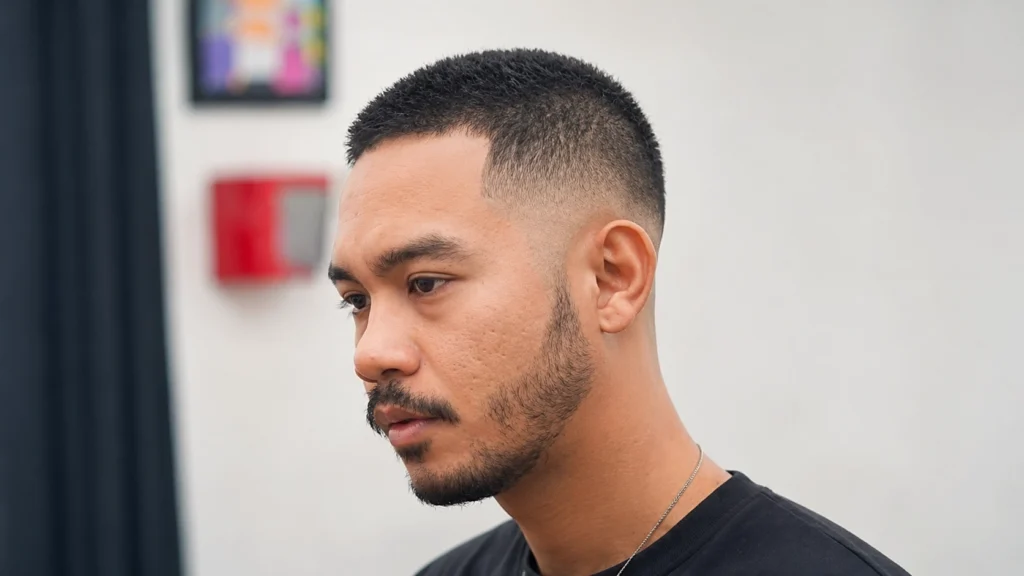
- Induction cut: Very short hair across the scalp.
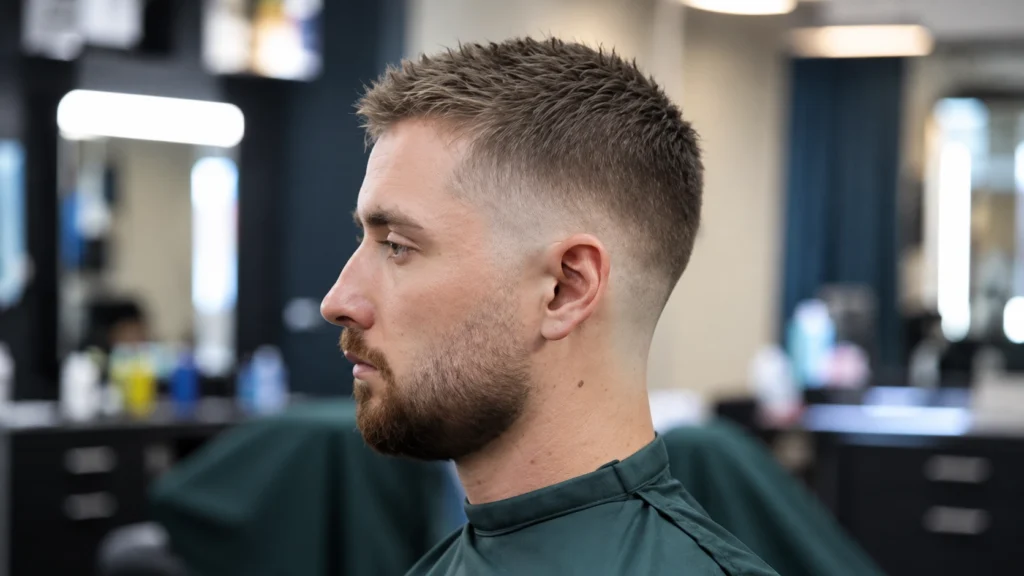
- Crew cut: Short sides with longer hair on top.

- Long buzz cut: More length to cover thin areas.
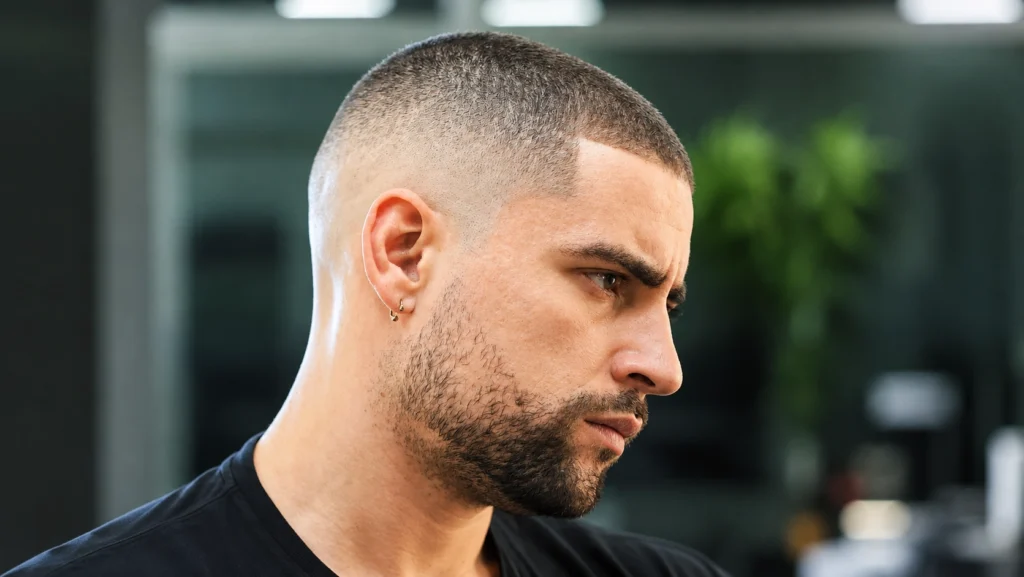
- Buzz cut fade: Hair that gets shorter along the sides.
Buzz Cut Results After One Year and Beyond
According to the NHS, full results usually appear within 10–18 months. At this stage, you can better judge how a short haircut looks. Years after surgery, further loss of your natural hair may change the overall appearance.
Can a Buzz Cut Affect Hair Growth?
Cutting your hair does not change how fast or thick it grows. Once the grafts have healed, regular haircuts do not harm the follicles. Temporary shedding, also known as hair fall after a hair transplant, is normal during recovery and is not caused by haircut length.
Should You Buzz Your Hair Before Surgery?
Avoid shaving your head before surgery unless your doctor asks you to. Your existing hair helps the surgeon check growth direction, density, and areas of thinning. Some FUE procedures require shaving, while others allow you to keep some or all of your hair.
When to Contact Your Surgeon
Contact your surgeon if you notice ongoing bleeding, increased pain, spreading redness, pus, or fever after a haircut. Regular follow-up visits help your doctor check healing and spot problems early.
Patients traveling to Mexico for surgery should confirm how they will receive medical care and follow-up support after returning home. For questions about haircut timing, recovery, or hair restoration options, schedule a free consultation with Dr. Antonio Aguilar.