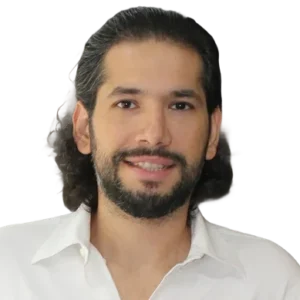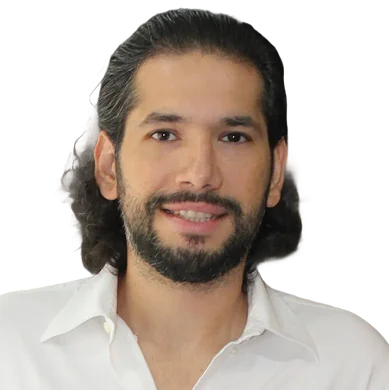
Transplanted hairs often shed within the first few weeks. New growth starts around 3–4 months, with more complete results developing within 10–14 months. Results can last for many years, but graft survival and final density vary. At Hair Transplant Mexico in San Pedro Garza García, Monterrey, Dr. Antonio Aguilar performs hair restoration procedures and has over 10 years of experience.
Key Takeaways
- A mustache hair transplant restores thin or missing upper-lip hair using healthy follicles from another area.
- Full restoration may require 300–400 grafts per side, while smaller gaps need fewer.
- Mustache restoration costs depend on graft count and treatment needs. For reference, a full beard FUE procedure at the clinic costs $8,000 USD.
- New growth often starts after 3–4 months, with more complete results developing within 10–14 months.
- Results can last for many years, but donor hair, graft placement, and healing affect the final look.
Can You Do a Hair Transplant for a Mustache?
Yes, surgeons can restore thin or missing upper-lip hair by moving healthy hair follicles from another area. Facial hair transplantation can fill gaps, improve thin growth, or cover scars from injuries and past surgeries. Healthy grafts may keep growing hair for many years.
Natural-looking results require careful planning because mustache hairs grow at low angles and in set directions. The surgeon must match the existing growth pattern, facial shape, and hair thickness. Using more grafts does not always lead to better results.
Who Is a Good Candidate?
People with thin facial hair, healed scars, or permanent hair loss may qualify. Good candidates need enough donor hair, healthy skin, and realistic goals. A physician should check the scalp, beard area, medical history, and cause of hair loss.
Active skin infections, skin inflammation, or poorly controlled health conditions may need treatment first. Doctors create treatment plans based on donor hair and the amount of coverage needed. Patients considering a beard transplant alongside mustache restoration may need more grafts.
Facial hair density can continue increasing into the mid-thirties. Younger patients whose facial hair is still developing may benefit from waiting before considering surgery. A physician can assess whether the current growth pattern is stable enough for transplantation.
How Does Mustache Hair Restoration Work?
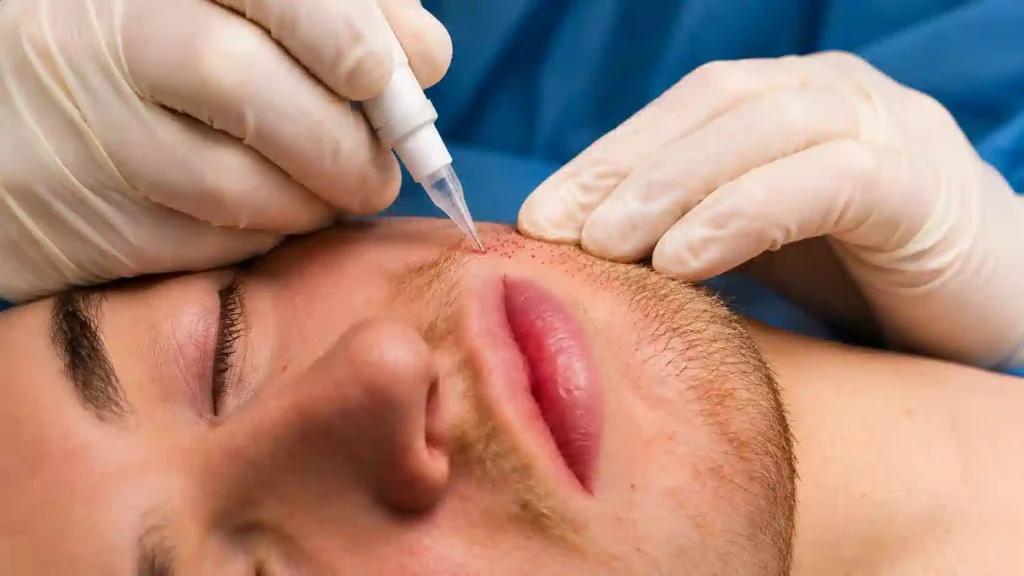
The procedure involves selecting healthy follicles and placing them into areas with thin or missing hair. Follicular unit extraction (FUE) removes individual follicular units, while follicular unit transplantation (FUT) involves removing a thin strip of donor tissue. Dr. Aguilar uses FUE to collect grafts and direct hair implantation (DHI) to place them with a pen-shaped tool. He does not perform FUT procedures.
Donor Hair Selection and Graft Count
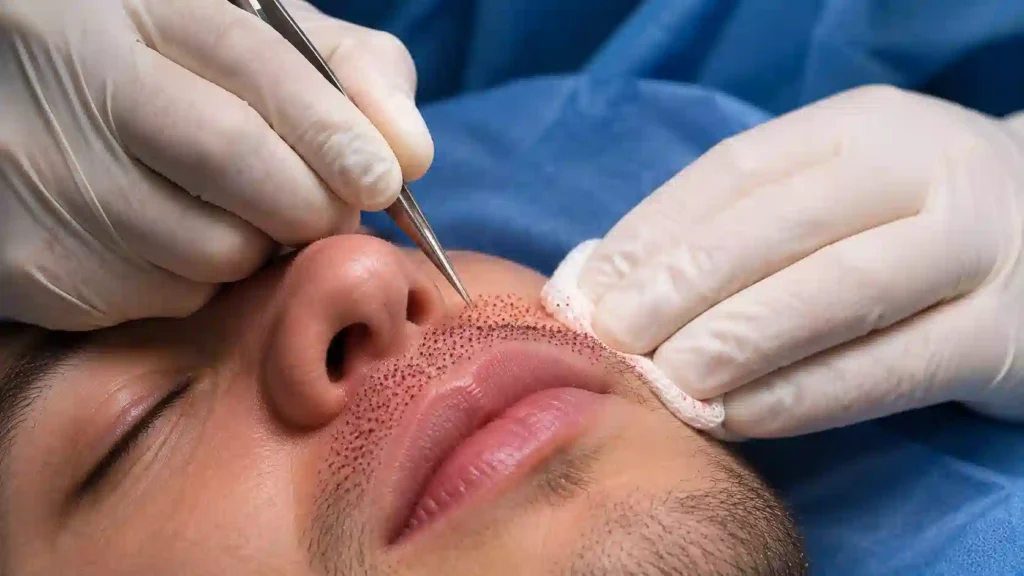
Surgeons often collect hair grafts from the back or sides of the scalp, where hair thickness and texture may closely match facial hair. For smaller procedures requiring around 300–400 grafts, surgeons may use FUE to collect follicles from beneath the jaw.
This donor area can provide a closer match to existing facial hair, although the available number of follicles is limited. Single-hair grafts help create natural-looking edges.
A clinical review reports 300–400 grafts per side, with some procedures using 35–40 grafts per square centimeter. The amount needed depends on existing coverage, donor hair, and the desired shape. Small scars often need fewer grafts than full restoration.
FUE Extraction and Graft Placement
During FUE, the physician removes follicles with a small circular tool under local anesthesia. Some transplantation procedures use implantation pens, but no tool guarantees better results. Dr. Aguilar uses a Choi implanter pen to place individual grafts while controlling their angle, direction, and depth. This helps match the natural growth pattern of upper-lip hair.
Upper-lip hairs usually grow downward and outward, close to the skin. Clinical research describes shallow placement angles of about 10–20 degrees in certain areas. Poor placement may cause hairs to grow in the wrong direction or create uneven density.
Mustache Hair Transplant Cost
The cost of a mustache hair transplant depends on the number of grafts, treatment area, and surgical technique. For reference, a full beard FUE hair transplant at Hair Transplant Mexico costs $8,000 USD.
The clinic’s hair restoration packages include a hotel stay, a private driver, and transportation between the airport, hotel, and clinic. Mustache-only procedures typically involve a smaller area, with pricing and package inclusions confirmed during an individual evaluation.
Patients comparing Mexico, the United States, or Turkey should consider physician involvement, medical oversight, and follow-up care alongside pricing. They should also verify the surgeon’s credentials and confirm which services are included in the quoted price.
Mustache Hair Transplant Recovery Timeline
Recovery includes skin healing and new hair growth. Most visible skin healing takes about 10–14 days, although this varies. Patients should follow their doctor’s post-procedure care instructions.
The First 7–14 Days
Mild swelling, redness, soreness, and small scabs may appear around the upper lip. These effects often improve within two weeks. Patients should avoid rubbing, scratching, or picking at scabs while the skin heals.
Hair Shedding and Regrowth
Transplanted hairs often shed within the first few weeks, even when the follicles remain healthy. New growth usually starts after 3–4 months, followed by gradual improvements in coverage. More complete results often appear within 10–14 months.
One session may not provide the desired density, particularly in patients with extensive gaps or scar tissue. Some patients may need a second procedure to improve coverage. The physician should assess healing, graft growth, and remaining donor hair before recommending another session.
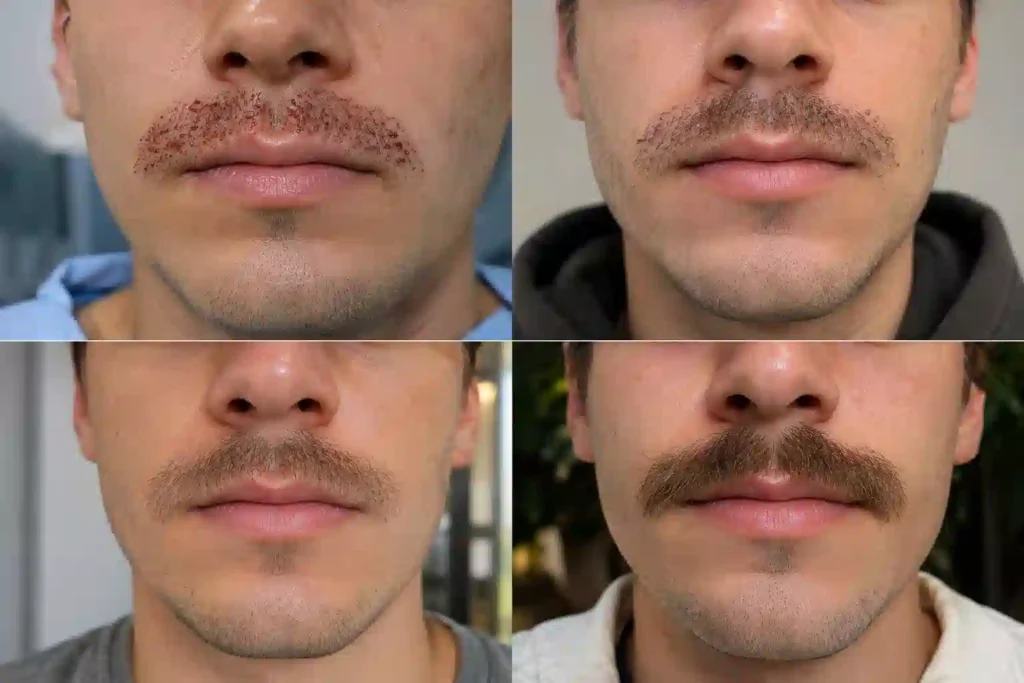
Mustache Hair Transplant Results
Before surgery, patients may have gaps, thin growth, or scars along the upper lip. After successful treatment, surviving follicles can improve coverage and shape. Results depend on donor hair, graft survival, and placement.
A natural look depends as much on hair direction as on density. Scalp hair may need regular trimming because it can grow differently from natural mustache hair. When reviewing mustache hair transplant before-and-after photos, consider the time since surgery, lighting, hair length, and differences in individual growth.
Risks and Possible Complications
Like other surgical procedures, it has risks, including potential hair transplant side effects. Possible complications include:
- Infection, bleeding, swelling, or folliculitis.
- Scarring, skin color changes, or small bumps.
- Poor graft survival or uneven density.
- Hair growing in unnatural directions or with a different texture.
Risks depend on skin health, surgical technique, and healing. A qualified physician should explain possible problems and plan follow-up care. Patients traveling for surgery should also arrange medical support after returning home.
Frequently Asked Questions
Can I Shave After a Mustache Hair Transplant?
Yes, once the treated skin has healed and your physician confirms it is safe. Shaving too early may irritate the skin or disturb healing grafts. After recovery, transplanted hair can be shaved, trimmed, and styled.
Will a Mustache Hair Transplant Look Natural?
A natural appearance depends on donor hair thickness, graft placement, growth direction, and density. Single-hair grafts placed at shallow angles can help match existing facial hair. Individual results vary.
Can Minoxidil Improve Mustache Growth Without Surgery?
Topical minoxidil may stimulate facial hair growth in some patients. Its use on facial hair is off-label, and research remains limited. A dermatologist should assess whether this treatment is suitable before use.
Can Transgender Men Get a Mustache Hair Transplant?
Yes, transgender men may qualify for facial hair restoration if they have healthy donor follicles and suitable recipient skin. The physician should assess existing facial hair growth, hormone therapy if applicable, and treatment goals. Patients whose facial hair is still developing may benefit from waiting before surgery.
Dr. Antonio Aguilar can assess your donor hair, explain your treatment options, and provide a personalized cost estimate. Schedule your free consultation.
Clinical References
- Beard and Moustache Reconstruction. Indian Journal of Plastic Surgery, 2021.
- Beard and Mustache Transplant. International Society of Hair Restoration Surgery.
- Moustache Transplant: Benefits, Costs, Risks and Results. Wimpole Clinic, 2025.