
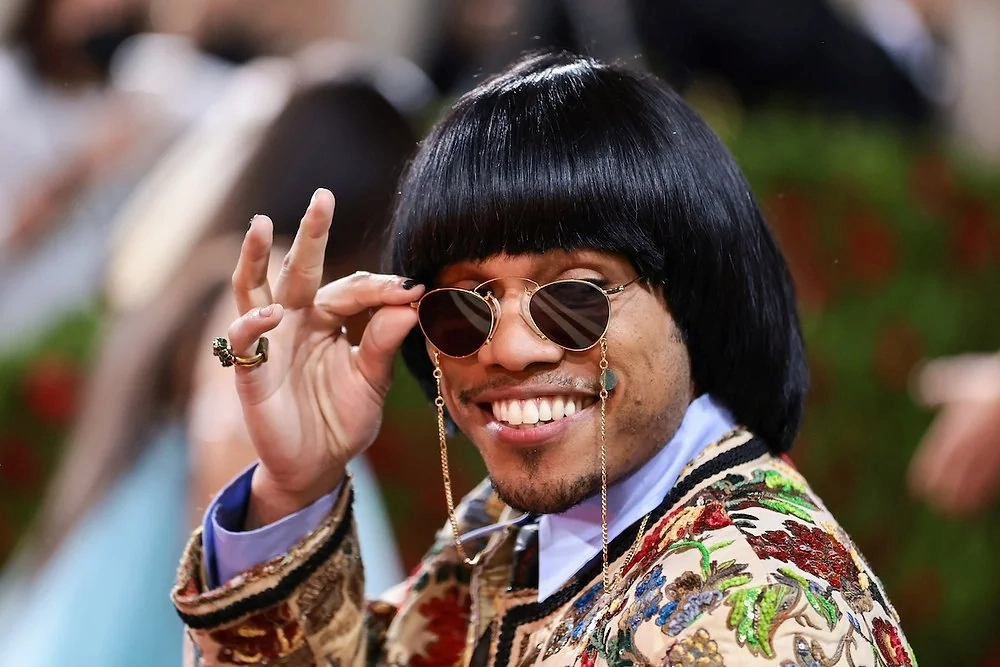
Many things can change how the front of the scalp looks. These include wigs, haircuts, lighting, medicine, styling products, and surgery. Dr. Antonio Aguilar, an FUE restoration specialist, explains that photos alone cannot confirm a medical procedure. A proper review needs a scalp exam and health history.
Hair Transplant Mexico is located in San Pedro Garza García, Monterrey. This article explains what is known, what is still unclear, and how modern restoration methods may create similar changes.
Key Takeaways
- The musician has not said that he underwent a surgical restoration procedure. Claims about it are still based on guesswork.
- Changes in his appearance may come from wigs, styling, cosmetic products, medicine, lighting, or surgery.
- Photos cannot confirm treatment. A doctor must check the scalp, donor zone, and health history.
- FUE and DHI can rebuild the frontal area or add density. Results depend on donor supply, planning, graft care, and follow-up.
- Good candidates need stable loss, enough donor follicles, clear goals, and a full medical review.
Did Anderson .Paak Get a Hair Transplant?
There is no trusted interview, personal statement, or medical source that confirms surgery. Some newer photos show a sharper frontal edge or fuller areas near the forehead. This has led to online claims.
These changes do not prove that he had a procedure. The most accurate answer is that surgery is possible, but it has not been confirmed.
A person’s private health history cannot be known from photos or videos. Social media posts are also not medical proof.
What Has Been Publicly Confirmed
The artist has worn a wig as part of his DJ Pee .Wee character. He has said that the look began after he wore a bob-style piece during a Silk Sonic recording session.
This confirms that he used a wig for a stage role. It does not confirm a surgical procedure.
There is also no proof that the piece was used to hide thinning or recovery. It does not mean that every fuller style involved added coverage.
Why Claims Remain Speculative
Online claims often point to a lower frontal edge, fuller temples, or more density. Yet these changes can have many causes.
A sharp haircut can make the front look lower. Longer curls can hide the temples. Fibers, wigs, lighting, and photo editing can also make the scalp look fuller.
Even a trained doctor cannot confirm surgery from normal photos. A real exam would check the scalp, donor zone, growth direction, and density.
Anderson .Paak Before Hair Transplant Claims
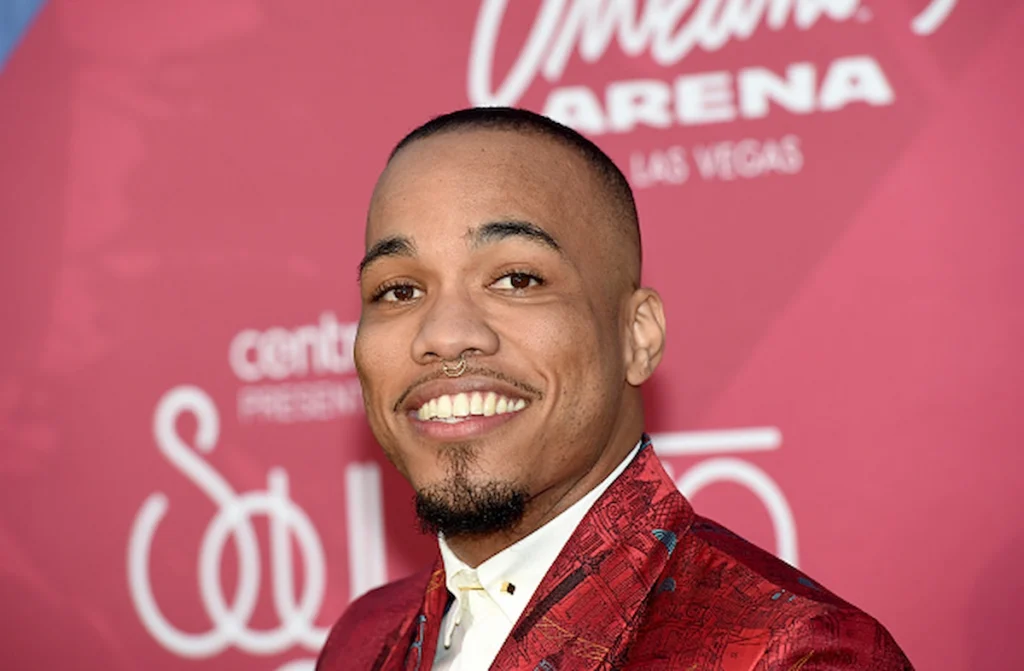
Some older images seem to show a higher or less sharp frontal edge. Newer ones may show more cover near the temples.
These comparisons are not fully reliable. Length, camera angle, light, and styling can all change the result.
A true surgical outcome also takes months to grow. Without clear images taken at set times and under the same light, no treatment timeline can be confirmed.
Can Photos Confirm a Procedure?
Photos can raise questions, but they cannot prove surgery. Flash, curls, cosmetic fibers, image quality, and styling can all change how the scalp appears.
A doctor would need to check both the frontal and donor areas. Small marks, graft spacing, and growth direction may offer clues during a close exam.
Most event photos do not show enough detail for this.
Did Anderson .Paak Wear a Wig?
Yes. He has worn a wig for his DJ Pee .Wee role. The piece is part of the character’s style and has appeared at shows and public events.
This may explain some large changes in his look. A wig can change length, shape, texture, and density in a short time.
Styling can also move curls forward or hide thin areas. A fresh line-up can make the frontal edge look sharper.
Common reasons for a fuller look include:
- Full or partial wigs
- Fibers or scalp concealers
- A sharper haircut or line-up
- Longer curls or a new style
- Lighting or photo editing
These methods can change how the scalp looks without changing the real follicles.

Possible Hair Restoration Explanations
Anderson .Paak hair restoration claims may involve medical, cosmetic, or surgical options that can improve visible coverage. However, no specific treatment can be linked to him without proof.
Several methods can create changes like those seen in public photos.
Medication and Nonsurgical Treatment
Minoxidil and prescription finasteride are common treatments for some types of pattern loss. They may slow thinning or help weak strands grow thicker.
Results are different for each person. These drugs also need medical advice and regular use.
Medicine usually cannot build a full new frontal edge where no active follicles remain. It may only improve the strands that are still present.
Other nonsurgical choices include wigs, systems, scalp micropigmentation, fibers, and styling products. These can improve the look without moving follicles.
FUE and DHI Procedures
Follicular Unit Extraction, or FUE, removes small follicle groups from the donor zone. These grafts are then placed in thin or bald areas.
FUE may rebuild the front, fill the temples, or add more cover behind the frontal edge. The donor supply limits how many grafts can be used.
DHI (Direct Hair Implantation) is a way to place grafts with a pen-shaped tool, and this FUE vs. DHI comparison explains how the two methods differ. The device may help control the depth, angle, and position of each unit.
However, the tool alone does not ensure a good result. Planning, graft care, doctor skill, and follow-up also matter.
How FUE Procedures Work
FUE has several steps. These include a health review, design, graft removal, graft care, and placement. A doctor first checks the type and stage of thinning. The review may include health history, family history, donor density, strand width, and scalp health.
The plan should also consider age, face shape, future loss, and long-term goals. During FUE, small punches remove follicle groups from the donor zone. The grafts are sorted and kept safe before placement.
The new sites control the angle, spacing, and direction of growth. Poor graft care can lower the chance of survival. People comparing Mexico, Turkey, the United States, or other places often look at cost, rules, doctor care, clinic safety, and follow-up. Standards can vary in every country.
Patients should review the doctor and clinic, not only the destination.
Recovery and Growth
Small scabs often form during the first few days. Redness, itching, pain, and mild swelling may also occur. Clear washing and care steps help protect the grafts. Follow-up lets the clinic review healing and answer questions.
Patients should contact the clinic if they have severe pain, heavy bleeding, pus, or swelling that does not improve. The transplanted hair shafts often shed in the first few weeks. This does not always mean the grafts have failed.
New growth often becomes easier to see after six to nine months. Full growth may take about 12 months. Early strands may look thin or uneven. They often become longer and thicker with time.
Results, Risks, and Limits
FUE moves existing follicles. It does not create a new and endless supply. The final result depends on donor quality, graft growth, strand type, scalp health, future thinning, and aftercare. No honest clinic should promise a perfect outcome.
Common side effects of a hair transplant may include redness, swelling, scabs, itching, numbness, and shedding. Less common risks include infection, poor growth, scarring, wrong growth direction, and lasting donor thinning.
Removing too many grafts can leave thin or patchy areas in the donor zone. This may be hard to fix. A careful plan helps protect that area. It also saves grafts for possible future care.
Who Is a Suitable Candidate?
Good candidates often have a clear cause of thinning and a stable pattern. They also need enough donor follicles and realistic goals. A medical review can also identify who is not a good candidate for a hair transplant due to health issues, unstable loss, or limited donor supply.
Fast, patchy, painful, or unexplained loss may need more tests before surgery. Some people may need skin care, medicine, or more time before a procedure.
A doctor should also check strand width, curl, skin tone, age, and the size of the treatment area. These points affect how much cover can be achieved.
Surgery may improve density, but it cannot bring back unlimited coverage. It also cannot stop untreated natural strands from thinning later.
This restoration topic shows why appearance changes can lead to strong claims without real proof. Readers should separate public photos from medical facts. A personal exam is the best way to learn which treatment may be right for them.
Schedule a consultation with Hair Transplant Mexico to review your hair loss, goals, and treatment options.