
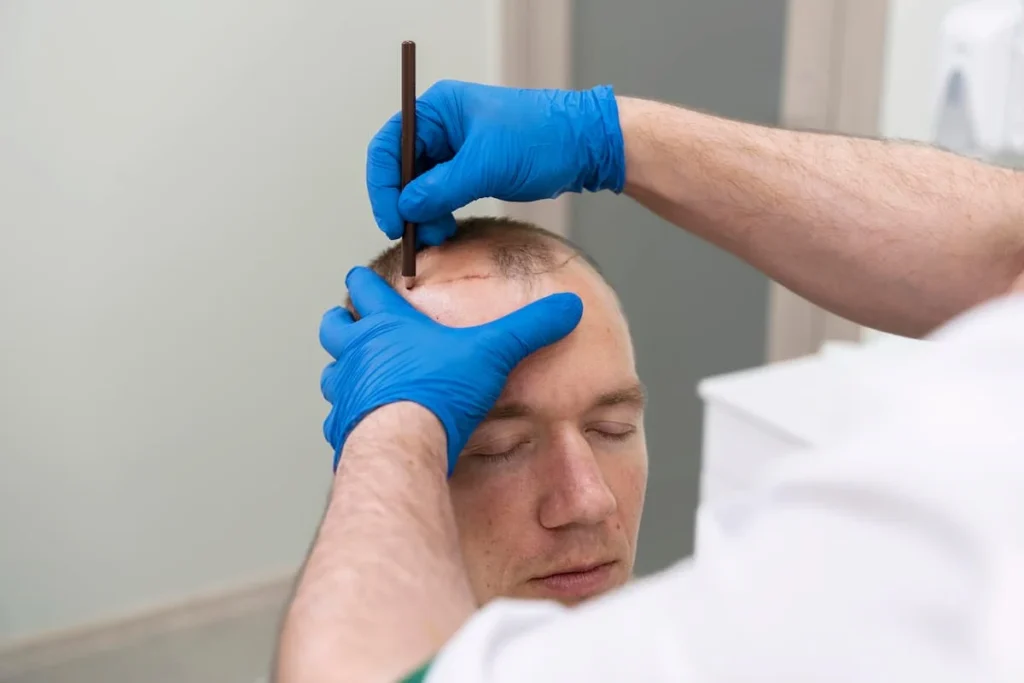
This range reflects the average cost for extensive cases, although pricing can vary based on planning and execution. The total cost also reflects medical oversight, facility standards, and post-operative care.
In lower-cost regions, the same level of treatment may be completed at a reduced price due to operational differences rather than changes in medical approach. For example, Hair Transplant Mexico in San Pedro, Monterrey, offers FUE (Follicular Unit Extraction) procedures starting around $4,500 to $8,000 for a single area and $6,000 to $10,000 for full coverage cases.
A 10,000-graft plan is typically divided into stages within these ranges, which helps explain how large procedures typically cost less per session when spread over time. Some clinics may also offer financing options to help patients manage the overall cost of a hair restoration procedure.
Key Takeaways
- The cost of a 10,000-graft hair transplant typically ranges widely and often requires multiple sessions rather than a single procedure.
- Pricing depends on factors such as technique, surgeon’s expertise, clinic structure, and geographic location, with Mexico often offering lower costs due to operational differences.
- A 10,000-graft plan is uncommon and requires careful medical evaluation due to donor hair limits and the need for staged treatment.
- Long-term results depend on proper planning, realistic expectations, and ongoing hair loss management, not just the number of grafts used.
- Understanding what is included in the total cost, including follow-up and medical oversight, helps patients compare options more accurately.
How Much Does a 10,000 Graft Hair Transplant Cost?
The cost of a 10,000-graft hair transplant varies by region and clinical setting. In the United States, the overall cost may exceed $40,000, while in Mexico, it typically ranges lower due to operational factors. The cost of a 10,000-graft hair transplant is usually calculated per graft or per session, and larger procedures typically cost more due to the time and complexity involved.
Hair replacement procedures often use a cost-per-graft model. Each graft contains one to four hairs, and total pricing reflects surgical time and complexity. The surgeon’s experience directly affects the quality of graft handling and placement, which can influence the average cost of treatment.
Hair Transplant Cost in Mexico vs. the US
Patients compare countries when researching hair replacement procedures because of differences in costs and care models. Key factors include physician involvement, regulatory standards, and follow-up care. These elements affect both price and long-term results, especially when comparing providers listed in this overview of hair restoration clinics in Mexico:
- Physician involvement during the procedure
- Regulatory oversight
- Post-operative follow-up
- Clinic structure
Monterrey, including San Pedro, offers structured medical care and continuity of follow-up. Other locations, such as Cancun and Tijuana, may vary in clinic setup and patient management, which can affect how hair transplant pricing is structured and delivered.
Is 10,000 Hair Grafts a Lot?
A 10,000-graft plan is uncommon and usually indicates advanced hair loss. Most patients need between 1,500 and 4,000 grafts, depending on coverage goals. Large procedures require staged planning to protect the donor area and manage the distribution of the procedure’s typical cost over time. Some patients also explore non-surgical options for hair loss when large graft counts are not feasible.
The donor area has a limited supply of grafts, which directly affects feasibility. A medical evaluation helps determine whether this level of treatment is realistic. Dr. Antonio Aguilar uses a structured assessment to guide graft planning and support safe outcomes.
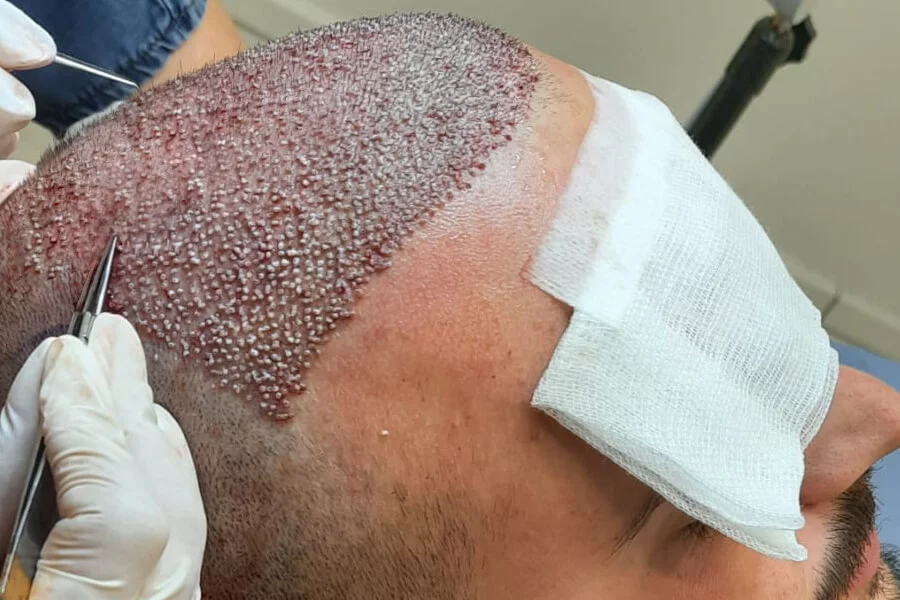
What Affects Hair Restoration Surgery Cost
The costs depend on the technique, the surgeon’s expertise, and the clinic’s setup. Procedures such as Follicular Unit Extraction (FUE) are considered minimally invasive and influence surgical time and recovery. These factors directly affect the overall price of a hair replacement surgery.
Both FUE and Follicular Unit Transplant (FUT) are used in hair restoration procedures. FUE extracts individual grafts, while FUT uses a strip method to harvest multiple grafts at once. Each approach affects how procedures are performed and how costs are calculated across different cases.
The level of surgeon involvement during the procedure and the structure of follow-up care also influence pricing. Clinics with more structured post-operative care may have higher operational demands, which can impact average costs and long-term outcomes.
Recovery and Results
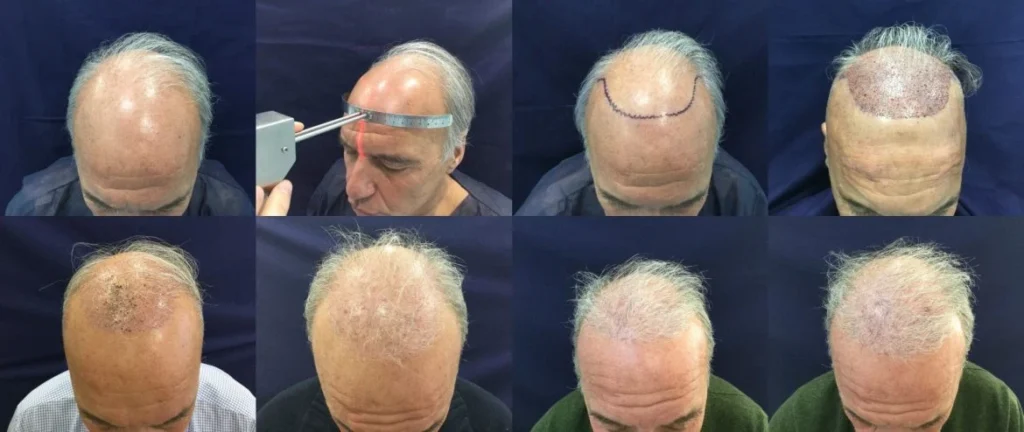
Hair growth after hair restoration procedures develops over time. Initial healing occurs within weeks, followed by shedding and gradual regrowth. During the early healing phase, patients may notice temporary crusting, which is explained in detail in this guide to scab formation after a hair-restoration procedure. Full results may take several months, depending on the patient and the size of the procedure.
Results vary based on donor quality and graft survival. Natural-looking results depend on planning, graft placement, and healing response. Long-term changes in native hair should be expected as part of the overall treatment process.
Risks and Limitations
Large graft procedures carry risks such as donor-site depletion and variable outcomes. Not all grafts survive, and density may differ from expectations.
Understanding these limitations helps patients make informed decisions about hair restoration procedures and evaluate the true price of hair replacement surgery beyond the initial price.
If you are considering a large-scale procedure, a professional evaluation can help clarify graft needs, cost expectations, and treatment planning. You can schedule a consultation to review your case and discuss whether a multi-session approach is appropriate for your goals.