
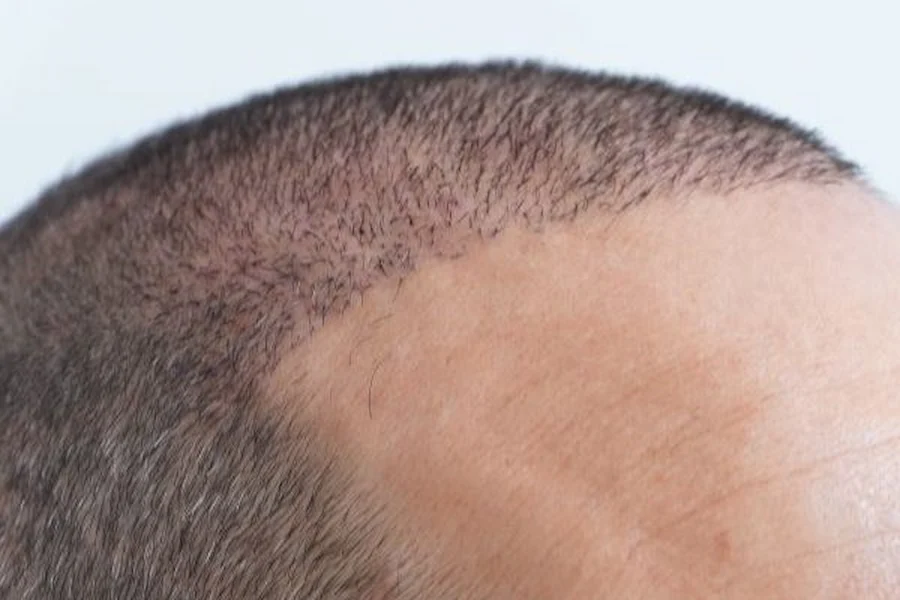
If the procedure is performed solely for cosmetic reasons, some interpretations may deem it impermissible. Because rulings vary by context, each case depends on purpose, method, and individual need.
Dr. Antonio Aguilar, a physician focused on hair restoration, explains that most current methods use the patient’s own follicles, which supports the idea of restoration. To understand this topic, it is important to look at both Islamic views and medical facts.
Key Takeaways
- A hair restoration procedure may be allowed in Islam when it restores a natural look and uses the patient’s own follicles, but rulings can change based on intent and need.
- Scholars distinguish medical treatment from cosmetic change, and hair-loss treatments are more likely to be permitted.
- The method matters, especially whether the procedure uses natural follicles or outside materials.
- Procedures done only to improve looks, without need, may be seen as altering creation and could be considered haram.
- Medical care, proper planning, and clear expectations are important, since results and recovery can vary.
Is a Hair Transplant Allowed in Islam?
Islamic rulings often depend on the difference between fixing a condition and changing the body. Many scholars approve treatment when it addresses hair loss due to aging, genetics, or health issues. The main question is whether the person is returning to a normal look.
Islamic teachings usually discourage changing the body without a clear reason. At the same time, they allow treatments that fix a problem. This helps explain why some procedures are allowed and others are not. The purpose behind the procedure is key.
Restoration vs Altering Creation
This procedure moves hair from one area of the scalp to another. This fits the idea of restoring what was there before. It does not add new or artificial material.
Restoring a past look is often seen as a correction rather than a change. For example, fixing visible thinning may return someone to their usual look. This is different from creating a new style or look. This difference helps guide many rulings.
Role of Intention and Necessity
Intent matters in Islamic rulings. A procedure done to treat visible thinning or stress may be seen as a real need. A procedure performed solely to improve appearance may raise concerns.
Need also plays a role. When hair loss affects daily life or confidence, some scholars allow treatment. The mix of intent and need helps decide if the procedure is acceptable.
Scholar Opinions and Differences
Scholars do not always agree on this topic. Some allow hair restoration when it restores a natural look and uses the patient’s own follicles. Others are more careful, especially when there is no strong need.
Islamic rulings come from religious texts and expert study. Scholars may weigh intent and method in different ways. Because of this, answers can vary. This is why this situation does not have one simple answer.
When a Hair Restoration Surgery Is Permissible
A medical treatment fixes a condition. A cosmetic change improves looks without a need. This difference helps define how this type of procedure is viewed in Islam.
A procedure may be allowed when these conditions are met:
- It uses the patient’s own follicles
- It restores a natural look
- There is a medical or emotional need
When these points apply, many scholars consider the procedure acceptable.
Medical or Psychological Need
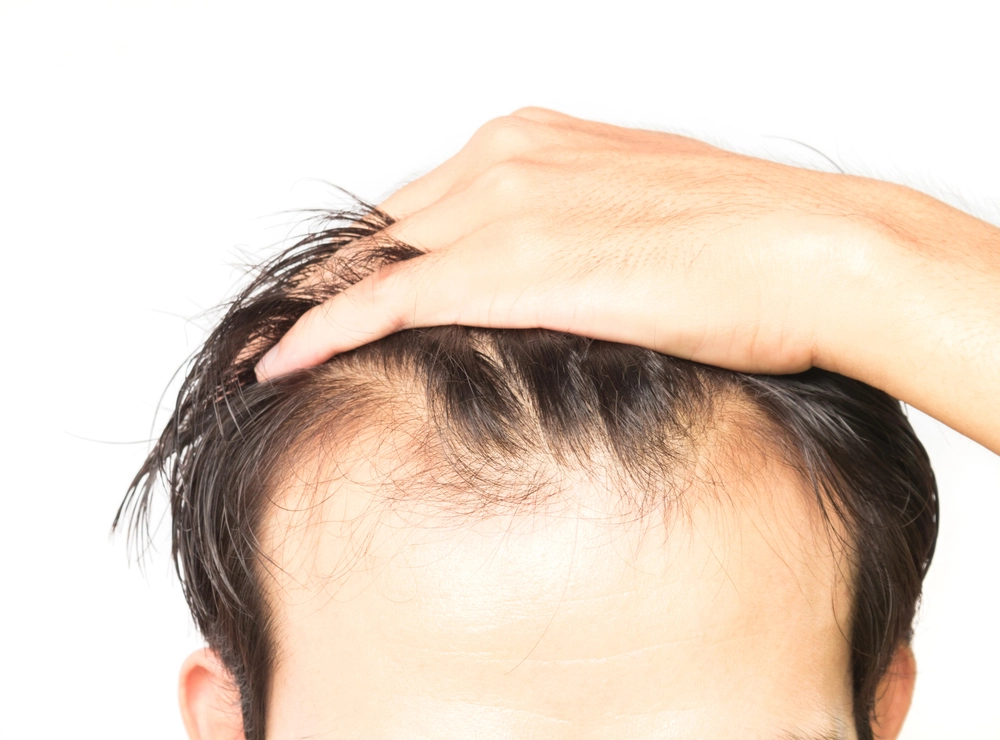
Some conditions, such as alopecia or scarring, can cause clear hair loss. In these cases, this treatment can serve as a solution. It helps bring back a normal look.
For example, severe hair loss that reveals large areas of the scalp may justify treatment, especially when evaluating the optimal age for a hair restoration surgery as part of proper planning. Mild thinning may not carry the same weight. Each case depends on its details.
Using Your Own Hair vs Artificial Hair
Modern methods like FUE (Follicular Unit Extraction) use natural follicles taken from the same person. This makes them more aligned with restoration. It avoids adding outside or artificial materials.
Using artificial hair may raise more questions. This can affect whether a hair restoration surgery is haram. The source of the hair is an important factor.
When It May Be Considered Haram
A procedure may not be allowed when it is not needed or goes beyond restoration. In these cases, it may be seen as changing the body rather than fixing a problem.
Common cases include:
- The procedure is only for better looks
- Artificial materials are used without need
- The result goes beyond a natural look
These cases move away from treatment and toward change.
Types of Hair Transplants
Modern methods aim for natural results. Two common types are FUE (Follicular Unit Extraction) and DHI (Direct Hair Implantation), along with other methods like FUT (Follicular Unit Transplantation). Both place individual hair units in areas with thinning.
These methods focus on using the person’s own follicles. This supports the idea of restoration. The technique used can affect both medical results and religious views.
Risks and Medical Considerations
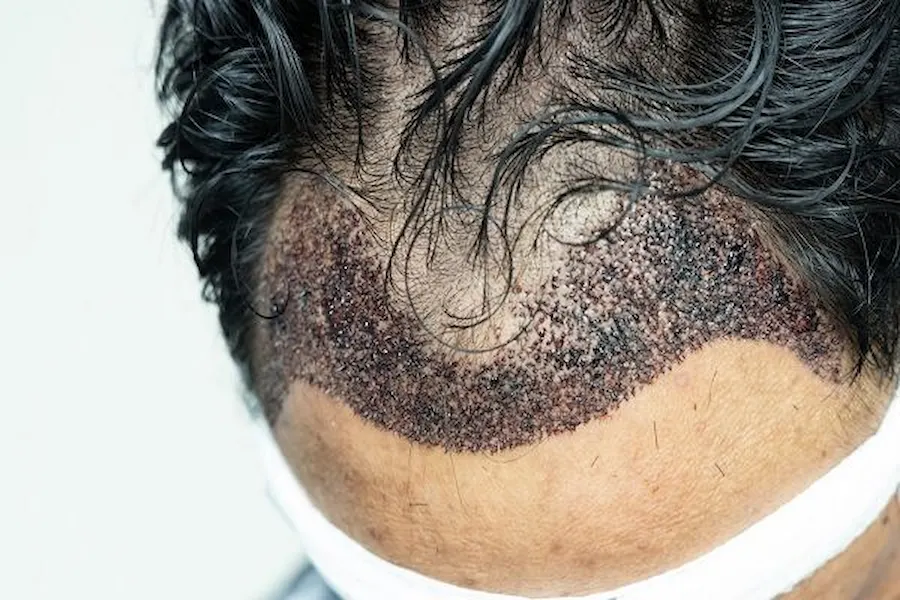
This type of procedure carries risks such as swelling, infection, or uneven growth. A proper check helps reduce these risks and helps patients determine whether hair restoration surgery is worth it based on their condition. A doctor reviews each case before treatment.
Recovery time is different for each person. Patients need to follow care steps after the procedure. This helps support healing and better results.
Importance of Medical Oversight
Medical supervision helps keep the procedure safe. Doctor-led care means key steps are done or checked by a physician. This supports better control during treatment.
Hair Transplant Mexico, located in San Pedro, Monterrey, Mexico, works in a clinical setting with medical oversight. Patients often compare countries when researching treatment options, considering rules, follow-up care, and long-term support.
You can schedule a consultation to receive a personalized medical evaluation and discuss your case in detail.