

The topic “Steve Carell’s hair transplant” usually refers to the visible shift from a noticeably receding frontal hairline to a stronger density. Some observers suggest the FUE (Follicular Unit Extraction) method may explain the natural-looking change, but styling, lighting, medication, and grooming can also affect how hair appears on camera.
A similar case would require a medical evaluation before confirming candidacy, graft needs, or the type of treatment. A physician would review the donor area, thinning pattern, density, and long-term stability before recommending any restoration option. Hair Transplant Mexico, located in San Pedro, Monterrey, provides a clinical context for understanding doctor-led restoration planning.
Key Takeaways
- Steve Carell has not publicly confirmed a hair transplant, so the topic should be understood as informed speculation based on visible hairline changes.
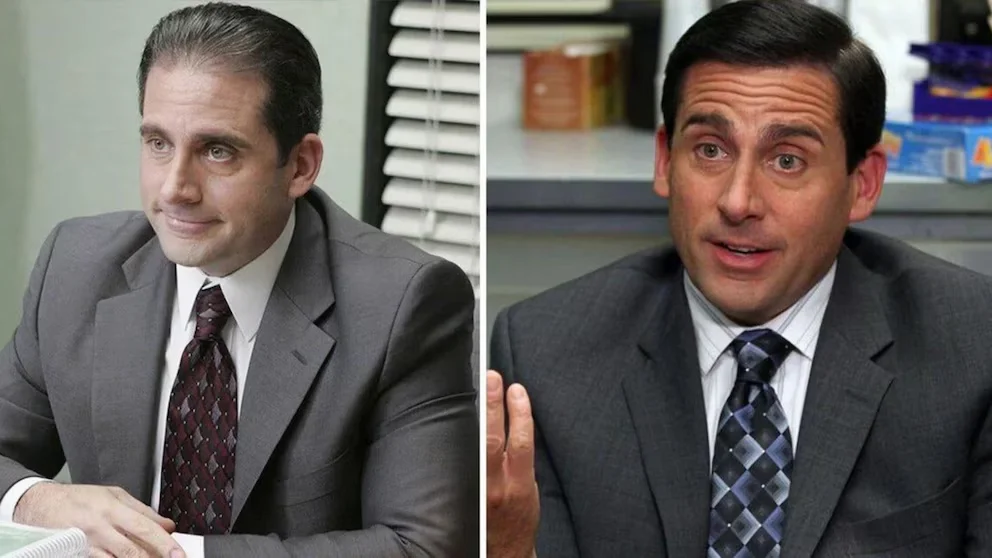
- His hair appeared thinner in season 1 of The Office and fuller in later seasons, which led to interest in Steve Carell’s hair restoration before-and-after comparisons.
- FUE could explain a natural-looking frontal hairline change because it moves individual hair follicles from the donor area to thinning areas.
- Finasteride, styling, lighting, and hair products may also affect how hair appears, but they do not confirm or replace a medical diagnosis.
- A real hair restoration plan requires physician evaluation, donor area review, graft planning, and long-term follow-up.
Did Steve Carell Have a Hair Transplant?
Steve Carell has never publicly stated that he had hair restoration surgery. Because of that, no article can say with certainty that a procedure took place. The most accurate answer is that his fuller hairline led many viewers to suspect treatment, but the change could involve several factors.
Why Fans Suspect Treatment
Fans often compare Carell’s appearance in season 1 of The Office with later seasons. In early episodes, his character, Michael Scott, had visible recession and reduced frontal density. Later, his hairline looked fuller, prompting viewers to speculate whether Carell had a hair restoration surgery or used another approach, a common type of speculation around celebrity hair restoration surgeries.
Steve Carell Hair Transplant Before and After
The before-and-after discussion focuses on the frontal hairline. His frontal zone looked thinner in season 1 because of visible recession near the front and temples. Lighting, styling, camera angles, and natural hair loss may have made the thinning more noticeable.
Later images show a denser frontal zone and a more defined hairline. If surgery occurred, doctors would likely focus on placing follicles in the front rather than changing the entire scalp. Transplanted grafts usually come from the donor area, where follicles tend to resist male pattern loss.
How Did Steve Carell Get His Hair Back?
There is no confirmed answer, but there are realistic explanations. A possible FUE (Follicular Unit Extraction) procedure, medication, styling, and production choices could all affect how his frontal zone appeared. A medical evaluation would be needed to know which option applies to any patient.
Steve Carell Finasteride Questions
Some users search for Steve Carell Finasteride because the medication can help slow hair loss. Finasteride may support existing follicles, but it does not create a new hairline the way graft placement can. Only a licensed physician can decide whether medication is appropriate.
Non-Surgical Factors
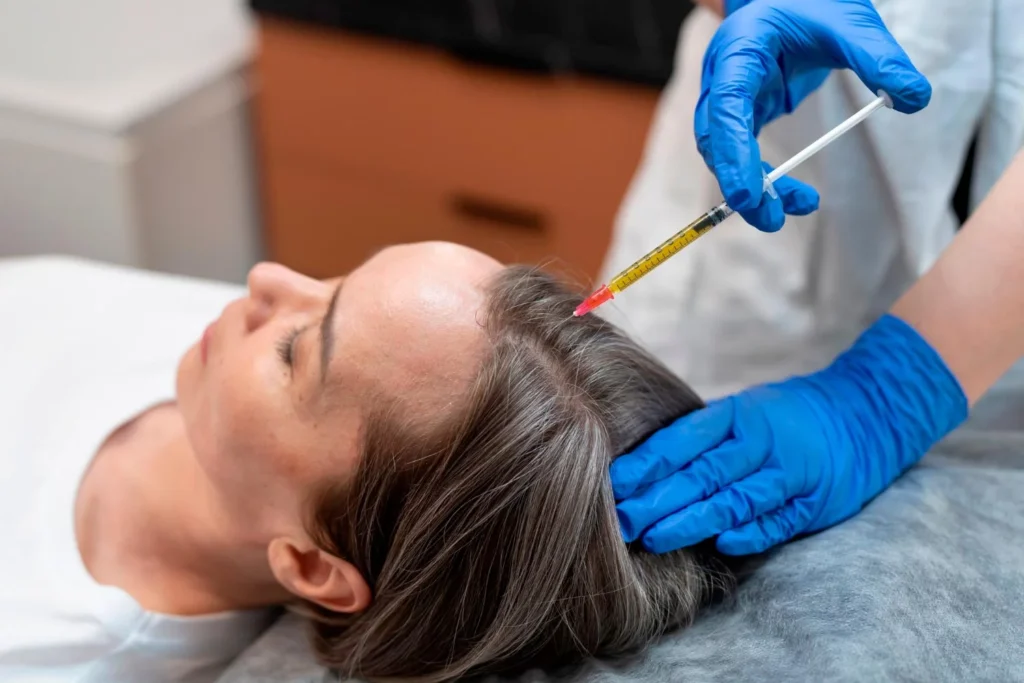
Non-surgical hair restoration options may include prescription medication, topical treatment, platelet-rich plasma, light therapy, or cosmetic styling products.
These options do not work the same way as surgical restoration because they do not move follicles into bald or thinning areas. They may support the existing follicles, but they cannot confirm how the actor improved his density.
Procedure, Scars, Cost, and Recovery
Modern restoration methods vary by patient, clinic, and treatment plan. Patients often compare Mexico, the United States, Turkey, and other destinations because hair restoration pricing, doctor involvement, follow-up care, and regulations can differ. The useful comparison is not only the location, but also medical oversight, graft handling, and continuity of care.
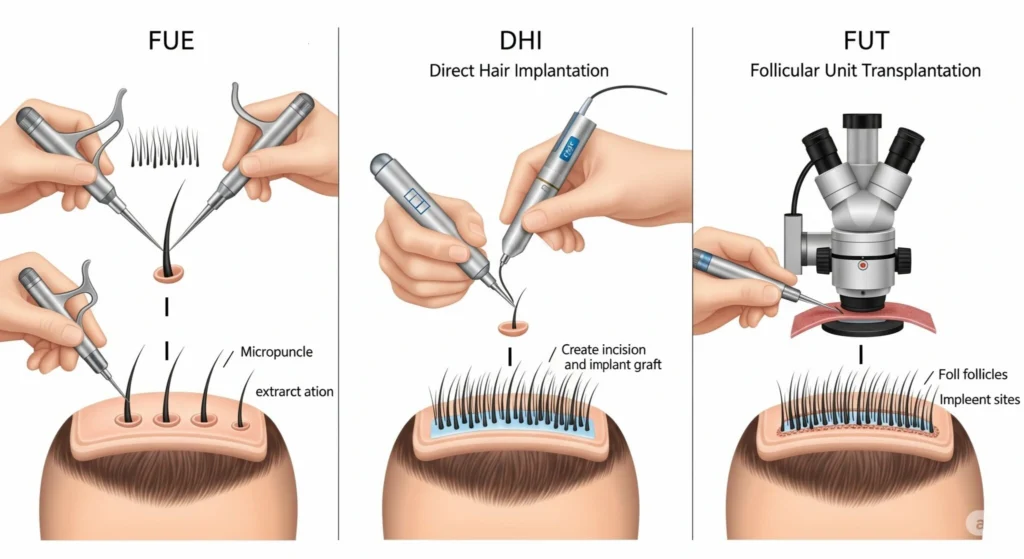
Follicular Unit Extraction (FUE), Follicular Unit Transplantation (FUT), and Direct Hair Implantation (DHI) are common methods used in modern restoration. A physician must review donor strength, thinning pattern, age, scalp health, and long-term goals before choosing a method. The goal is to improve coverage while supporting natural results.
- FUE removes individual follicles from the donor area and places them into thinning or balding areas.
- FUT removes a strip of skin from the donor area before the grafts are separated.
- DHI uses an implantation pen to place grafts into the scalp.
A real estimate requires a scalp exam, donor review, and measurement of the thinning area. At Hair Transplant Mexico, Dr. Antonio Aguilar’s costs for a single area FUE transplant, such as the crown or hairline, range from $4,500 to $8,000. A full FUE transplant ranges from $6,000 to $10,000.
Recovery after the procedure often includes redness, small scabs, shedding, and slow regrowth, so post-hair-restoration care is especially important in the first few weeks.
Transplanted follicles often shed first, then start to grow again over several months. Final density may take 12 months or longer, and results vary by patient.