

In practical terms, long-term expectations include preserved growth in the transplanted area, with possible reduction in density elsewhere on the scalp. Some patients may consider additional procedures or medical treatments to maintain a balanced look as hair continues to change.
Outcomes vary based on individual factors such as donor quality, age, and progression of hair loss. Hair Transplant Mexico, located in San Pedro, Monterrey, operates in a medical setting where long-term follow-up and physician oversight are part of the evaluation process.
Key Takeaways
- Transplanted follicles typically remain stable for 10 years because they are taken from areas resistant to pattern baldness, but the overall appearance can change as native hair continues to thin.
- Long-term results are not static, as natural aging and ongoing thinning can affect density, making the contrast between transplanted and natural hair more noticeable over time.
- The results of a hair restoration procedure depend on factors such as donor follicle quality, surgical planning, and whether additional treatments are used to manage ongoing hair loss.
- Some patients may require additional procedures or medical support to maintain a balanced appearance as the rest of their hair continues to change.
- Realistic expectations are essential, as a procedure redistributes existing follicles rather than preventing future thinning or restoring full density across the scalp.
Do Hair Transplants Last After 10 Years?
These procedures are designed to deliver long-term results, and most transplanted follicles remain stable for 10 years or more. Transplanted follicles are taken from areas less affected by pattern baldness, allowing continued hair growth even as surrounding areas change. This principle supports the durability of modern restoration.
However, the overall appearance depends on how the transplanted area blends with the rest of your hair. Native follicles may continue to thin, creating a visible contrast in the long term. This is why long-term planning is part of the initial medical evaluation.
Results can vary based on donor quality, age at the time of the procedure, progression of pattern baldness, and factors related to the best age for hair restoration. Not all patients maintain the same density after ten years. Some retain consistent coverage, while others notice thinning in untreated areas.
Are Hair Transplants Permanent?
Transplanted hair is generally permanent because it retains the characteristics of the donor area. Follicles continue to grow in their new location for many years. However, this does not mean the entire scalp remains unchanged.
Natural follicles can still thin due to pattern baldness. This can affect overall density even if the transplanted area remains stable. Understanding this difference is key to setting realistic expectations.
Role of Native Hair Loss
The rest of your hair significantly impacts the procedure’s results over time. While transplanted follicles remain stable, native hair may continue to thin. This process is driven by genetic pattern baldness and natural aging.
As a result, patients may consider additional procedures if density decreases. Long-term monitoring helps guide these decisions and helps maintain consistent results of a hair transplant.
Hair Transplant 10 Years Later: Changes and Results
Ten years later, outcomes reflect both stable transplanted follicles and ongoing natural aging. The results evolve over time rather than remaining fixed. Understanding this helps patients form realistic expectations.
What to Expect Over Time
Hair changes often occur gradually. A simplified timeline includes:
- Early years – stable growth after recovery
- Around ten years – stable transplanted area with thinning in native follicles
- Beyond ten years – gradual changes due to natural aging
This progression shows how hair continues to change in the long term.
Hair Density and Coverage
The density may decrease if native hair thins. Even when transplanted follicles remain healthy, surrounding changes can affect overall coverage. This is common in long-term follow-up.
Patients may notice less fullness in untreated areas. This reflects ongoing hair loss rather than issues with transplanted follicles.
Before and After Differences
Long-term comparisons show both stability and change. The transplanted area often remains consistent, while the surrounding follicles may thin. This can create density differences across the scalp.
A common pattern is a stable hairline with reduced density behind it. This reflects how pattern baldness progresses over time.
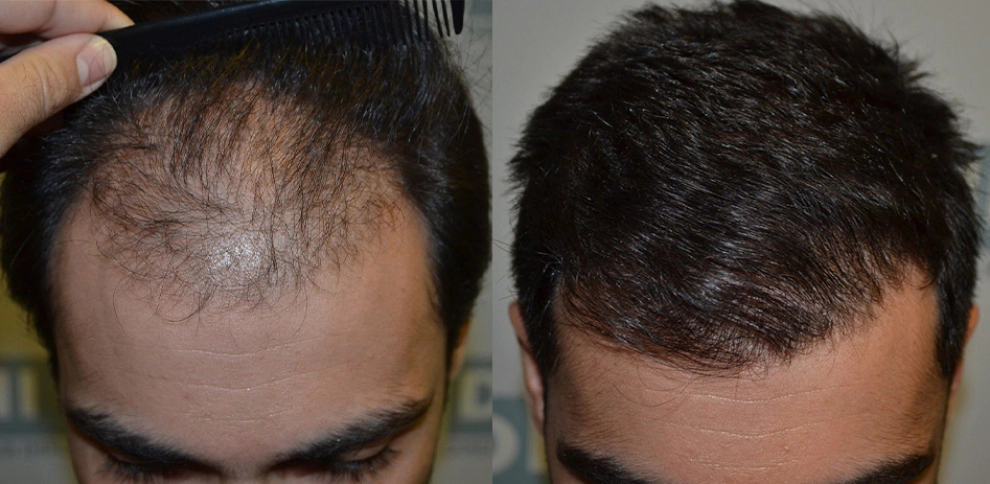
What Poor Long-Term Results Can Look Like
Some patients may notice uneven density over time. This can occur when native hair continues to thin around the transplanted area. The result is a visible contrast between stable and thinning regions.
In certain cases, the hairline remains intact while the crown loses density. These outcomes are related to natural hair loss, not failure of transplanted follicles.
Hair Restoration Surgery After 10 Years Without Finasteride
Patients who do not receive medical treatment may experience more noticeable thinning of native hair. Finasteride is often used to slow pattern baldness, but not all patients choose it.
Effect on Native Hair Loss
Without treatment, native follicles are more likely to thin over time. This can create gaps between transplanted grafts and the rest of your hair. The transplanted follicles themselves usually remain stable.
Impact on Overall Appearance
Changes in surrounding density can affect overall appearance. The transplanted area may remain intact, but contrast can become more noticeable. This often leads patients to evaluate long-term options.
What Happens 20 Years After a Hair Transplant
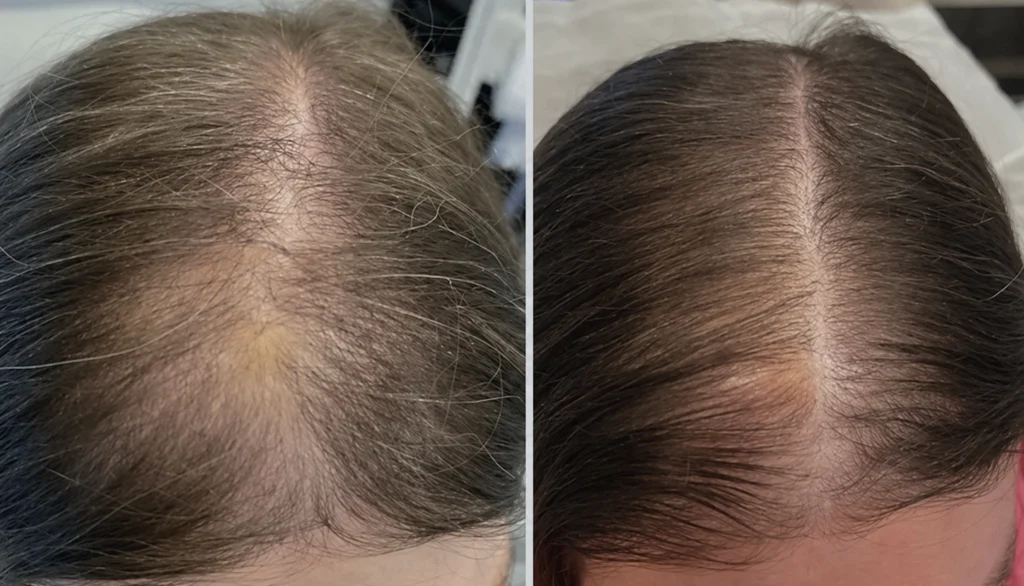
Long-term outcomes extend beyond ten years. After 20 years, transplanted grafts often remain present, but overall density may change further.
Natural aging continues to affect both transplanted and native hair. The rest of your hair may become thinner over the years. These changes are gradual and expected.
Do You Need Another Hair Transplant?
Some patients consider additional procedures or alternative hair restoration treatment options when changes in native hair start to affect the overall balance of the result.
This usually happens when pattern baldness progresses in areas that were not treated during the initial procedure.
A second procedure may be considered if you notice reduced density behind the hairline, thinning in the crown, or visible gaps between transplanted and natural follicles. In these cases, additional grafts can be used to restore density and maintain a balanced appearance over time.
Risks and Limitations Over Time
These procedures have limitations that become more visible over the years. These include:
- Continued thinning of native hair
- Changes in density
- Need for additional procedures
These factors reflect long-term progression rather than complications.
Factors That Affect Long-Term Results
Several factors influence long-term outcomes. These include surgical technique, donor area quality, and patient characteristics. Each factor contributes to durability and appearance.
Proper planning helps ensure transplanted follicles are placed at the correct angle and density. Strong donor follicles support consistent growth over time.
How to Maintain Hair Transplant Results
Maintaining results involves ongoing care and monitoring. Some patients use medical treatments to slow further hair loss. These treatments support native hair rather than transplanted grafts.
Basic care and follow-up evaluations, including proper post-hair-restoration-care guidelines, help maintain scalp health. These steps support long-term restoration and overall appearance.
If you have questions about long-term results or want to evaluate how your hair has changed over the years, a medical assessment can help clarify your options.
You can schedule a consultation to review your current hair pattern, discuss expectations, and determine whether any follow-up care or additional procedures may be appropriate.