

After a hair transplant procedure, the scalp enters a healing phase known as the recovery process, during which transplanted hair follicles must attach securely.
This article explains how long after a hair transplant you can resume exercise, when lifting weights is safe, and how to reduce the risk of complications after hair transplant surgery.
Key Takeaways
- Exercise after a hair transplant should be avoided for at least 7 days to prevent dislodging hair grafts.
- Light exercise and light activity may begin in week 2 if healing is stable.
- Heavy exercise after a hair transplant, including heavy lifting and strenuous exercise, should be avoided for about one month.
- Returning to a full exercise routine too early can increase the risk of swelling, irritation, and temporary hair loss.
How Long After a Hair Transplant Can I Work Out?
Most hair transplant surgeons recommend avoiding structured workouts during the first week post-transplant. Early strain can disturb transplanted hair follicles before they are secure.
Healing time depends on graft count, scalp condition, and overall health. Larger hair transplant surgery sessions may require more caution. The recovery process is different for each patient.
Days 1–7: No Exercise
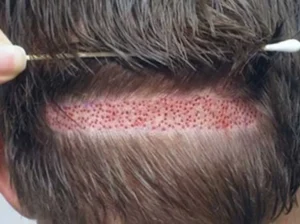
During the first week, transplanted hair follicles are fragile. Sweating, friction, or strong movement may increase the risk of dislodging hair grafts. Patients should avoid running, gym workouts, weightlifting, heavy lifting, or other strenuous activities.
Light walking at home is acceptable if it does not cause sweating. Keep movement gentle and controlled. Protecting the surgical area is the priority.
Week 2: Light Exercise and Light Activity
After day seven, light exercise and light activity may begin if there is no swelling. Walking outdoors or gentle cycling is usually safe. These movements improve circulation without high strain.
Avoid strenuous exercise and resistance training during this phase. The scalp may remain sensitive after a hair transplant. Stop activity if you notice redness or discomfort.
Weeks 3–4: Gradual Cardio Return
Between weeks three and four, moderate cardio may resume. Exercise during this phase after a hair transplant should be increased gradually. Do not return to your full pre-surgery exercise routine at once.
Avoid sudden bursts of speed or intense training. A gradual plan supports stable healing. Monitor the scalp for swelling or tightness.
After One Month: Full Workouts
After one month, most patients can return to normal gym sessions. Transplanted hair follicles are usually secured by this stage. Heavy exercise after a hair transplant may be initiated gradually with medical approval.
Strenuous exercise and heavy lifting should be increased gradually. Sudden high strain may increase the risk of inflammation. Controlled progression protects long-term results.
When Can I Lift Weights After a Hair Transplant?

Weightlifting raises blood pressure more than light aerobic exercise. High pressure can stress healing tissue during recovery.
Light Resistance Training
Lightweight lifting may begin around week two with surgeon approval. Use low weights and breathe normally during each movement. Avoid holding your breath.
Moderate Lifting
Moderate weight lifting often becomes safe after three to four weeks. Increase load slowly to reduce swelling. Avoid exercises that cause strong scalp pressure.
Heavy Exercise After a Hair Transplant
Intense or heavy weightlifting routines should be delayed for at least four weeks. These activities can increase the risk of swelling and graft stress. Waiting allows full stabilization after hair transplant surgery.
Risks of Exercising Too Soon
Exercising too early can impede recovery. It may increase the risk of hair graft dislodgement or prolong swelling. In some cases, early strain may cause temporary hair loss in adjacent hairs.
Graft Dislodgement
New grafts need time to secure inside the scalp. Strong movement, friction, or strenuous activities during the first week may cause graft movement. The risk decreases after the first seven days.
Increased Blood Pressure
Exercise raises heart rate and blood pressure. Higher scalp blood flow during early healing may worsen swelling. A gradual return to activity reduces this stress.
Shock Loss
Shock loss is the temporary shedding of nearby hair after hair transplant surgery. It results from surgical stress and inflammation. Strenuous exercise does not directly cause shock loss, but early strain may exacerbate irritation during recovery.
Safe Physical Activity After Hair Transplant
Light activity, such as walking, supports blood flow without heavy strain. This type of movement is usually safe after week one.
Avoid contact sports and strenuous activities for at least one month. Direct impact can disturb transplanted hair follicles. Reducing friction lowers the chance of irritation.
Doctor-Specific Guidelines
Each patient heals differently. Dr. Antonio Aguilar, a specialist in FUE hair transplant and hair restoration with extensive procedural experience, evaluates graft count and scalp healing before advising patients. Following guidance from experienced hair transplant surgeons supports a safe recovery process.
FUE vs FUT: Recovery Differences
FUE removes single follicles. FUT removes a strip of tissue and uses sutures. These techniques affect healing patterns and activity limits.
After FUE, light activity may resume sooner because there is no tight incision. After FUT, heavy lifting and weightlifting can strain the sutured area during recovery. In both techniques, strenuous exercise during the first week may increase the risk of dislodging hair grafts and disturb transplanted hair follicles.
FAQs About Exercise After a Hair Transplant
Can I sweat after a hair transplant?
Light sweating after week one is usually safe if the scalp stays clean. During the first seven days, avoid sweating, as it may increase the risk of dislodging hair grafts.
Can I run after a hair transplant?
Running may begin between weeks three and four if healing is stable. Increase pace slowly.
Can exercise damage hair grafts?
Exercise can damage grafts if done too soon or too hard. Early strain may increase the risk of movement or swelling.
When may I return to the gym?
Most patients return to the gym between two and four weeks, depending on the intensity of the program. Medical clearance is recommended before resuming a full exercise routine post hair transplant.
If you have questions about your recovery or exercise timeline, schedule a consultation for personalized guidance based on your hair transplant procedure.