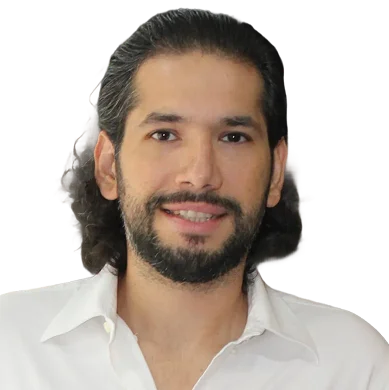
Mexico is a viable option because it has lower costs and skilled, certified surgeons such as Dr. Antonio Aguilar.
Most patients are eligible if they have stable hair loss and a healthy donor area; however, curved follicles require advanced techniques and precision.
A good hair transplant for curly hair keeps the natural texture. You can expect full results in about 12 months.
Can People With Curly Hair Get a Hair Transplant?
Key Takeaways:
- A curly hair transplant can produce natural-looking density because the curl pattern creates visual coverage, but results depend on donor strength, surgical precision, and realistic expectations.
- Most candidates qualify if they have stable androgenetic alopecia and a healthy donor area, while active medical conditions or insufficient donor hair may delay or prevent surgery.
- Curly hair follicles have a curved shape under the scalp, which requires careful angle control during extraction and implantation to protect graft survival and natural texture.
- Transplanted hair typically sheds within the first month, begins regrowing after several months, and reaches full cosmetic maturity around 9 to 12 months.
- Cost varies by graft count, location, and level of physician oversight, so patients should evaluate regulatory standards, follow-up care, and surgical supervision in addition to price.
Who Is a Good Candidate
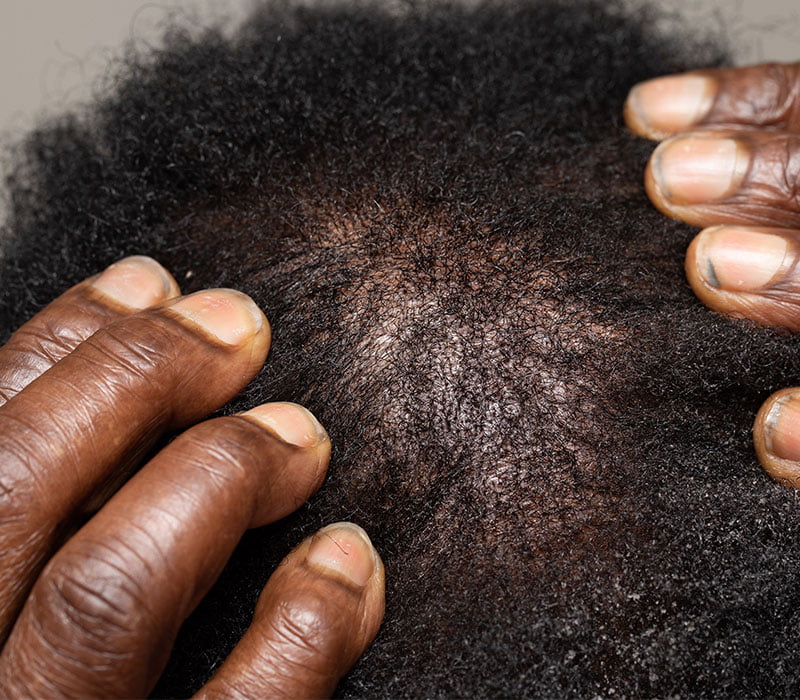
- Stable hair loss pattern, often related to androgenetic alopecia
- Strong donor area with healthy hairs on the back or sides of the scalp
- Adequate hair density to support graft extraction
- Healthy scalp without active infection or inflammation
- Suitable type of hair and curl pattern for surgical planning
- Realistic expectations about hair growth timeline and final density
What Disqualifies You
The following conditions may affect eligibility or timing for a hair transplant procedure:
- Active scalp infections
- Uncontrolled autoimmune disorders
- Insufficient donor hair in the donor area
- Unstable androgenetic alopecia requires medical stabilization first
A medical evaluation helps decide if you should delay or change your treatment. It also checks if curly hair transplants are right for you.
This evaluation can help you see if you should try other treatments first.
Hair Loss Patterns in Curly Hair
Hair loss in curly hair often follows the same pattern seen in straight hair, particularly in cases of androgenetic alopecia.
However, the curl pattern can mask early thinning because volume creates visual coverage. Patients may notice widening parts or thinning at the crown before visible bald areas appear. Early evaluation improves planning and protects the donor area.
Curly Hair and the Hair Transplant Procedure
How Curly Follicles Grow Under the Skin
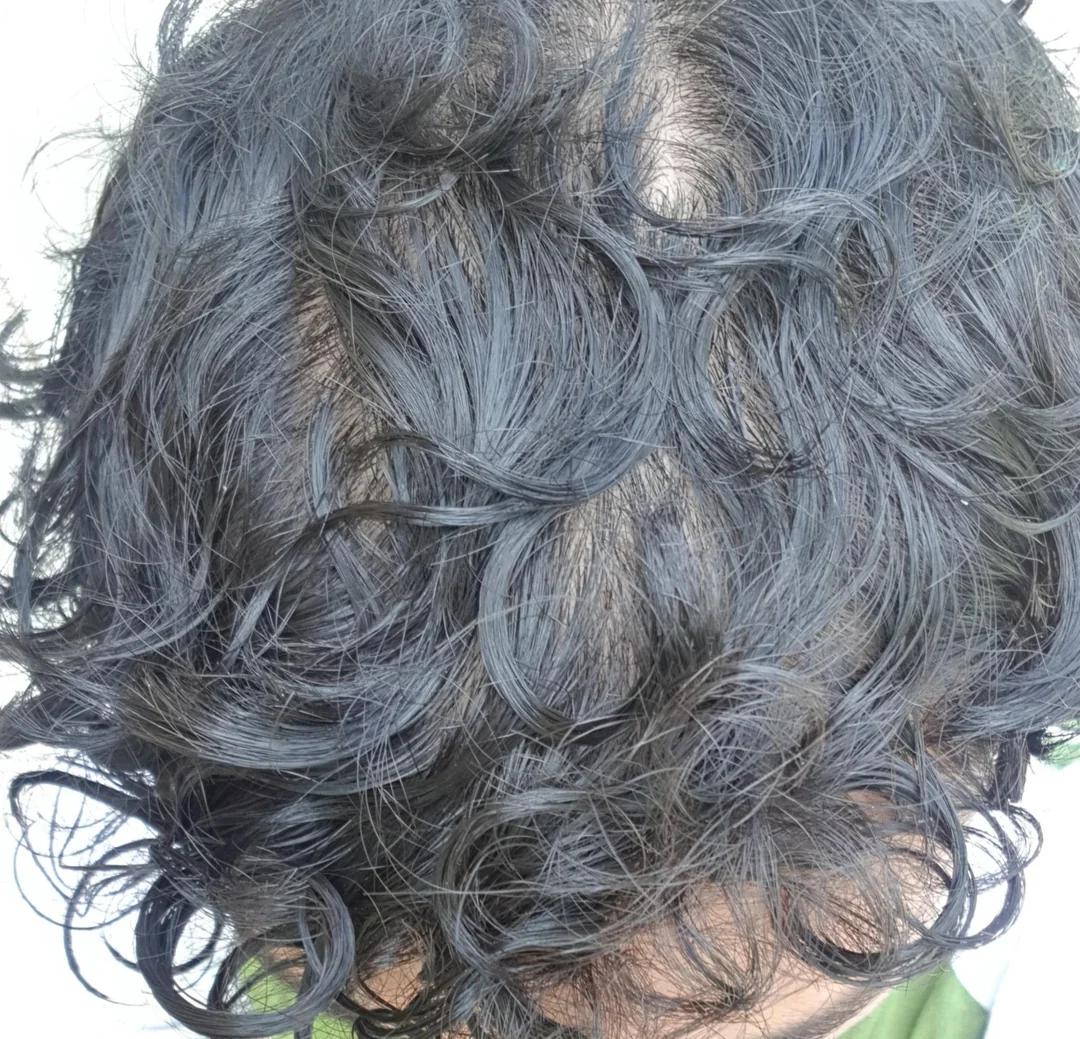
Curly hair follicles have a curved or spiral shape beneath the scalp. This shape indicates that the hair bulbs do not sit flat beneath the skin, which affects how surgeons approach graft extraction and implantation.
During a hair transplant technique, the angle of entry must match the natural curl pattern. Precision reduces damage to the follicular unit and protects long-term hair growth.
FUE Hair Transplant and Extraction Methods
Follicular unit extraction FUE is one of the most common transplantation techniques used today. In a fue procedure, the surgeon removes individual follicular units from the donor area using small punches.
They then implant these units into thinning areas using controlled placement methods, including implantation pens in some DHI approaches.
Doctor-led procedures improve oversight during extraction and implantation, especially when curly hair follicles require careful angle control.
Robotic systems may assist in some clinics, but manual oversight remains essential when dealing with curved follicles. The hair transplant technique must account for the direction of growth and tissue resistance.
Improper alignment can reduce graft survival. Careful handling preserves healthy hair and supports predictable outcomes.
Wavy vs Curly Hair Differences
Wavy hair and tightly curled hair behave differently during surgery. Wavy hair tends to have a gentler curve, while tightly coiled hair has a more pronounced spiral shape.
This difference influences punch selection and depth control during a curly hair transplant surgery. The type of hair directly affects surgical planning and the difficulty of extraction.
Surgical Planning and Density Outcomes
Curl Type 2B, 2C, and Beyond
Understanding curl classification helps guide treatment. Type 2B or 2C curls represent wavy to defined curly hair, while tighter coils fall into higher categories.
Each curl pattern influences how transplanted hair sits and overlaps on the scalp. Surgeons evaluate curl pattern before designing density goals.
Why Texture Affects Coverage
Curly and wavy hair creates an illusion of greater density because strands overlap and cast natural shadows. This effect may allow fewer grafts to achieve visual fullness than with straight hair.
However, density outcomes depend on donor supply and graft survival, not only texture. Surgical planning balances cosmetic goals with preservation of the donor area.
Hairline Design in Men
In men, hairline design must respect facial proportions and future hair loss progression. Curly hair requires careful angle placement to avoid unnatural direction changes.
A physician considers age, pattern of androgenetic alopecia, and anticipated hair growth before finalizing the plan. Thoughtful design reduces the need for revision procedures.
Curly Hair Transplant Results and Recovery
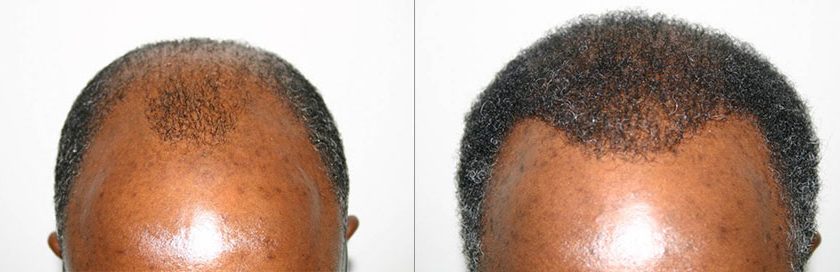
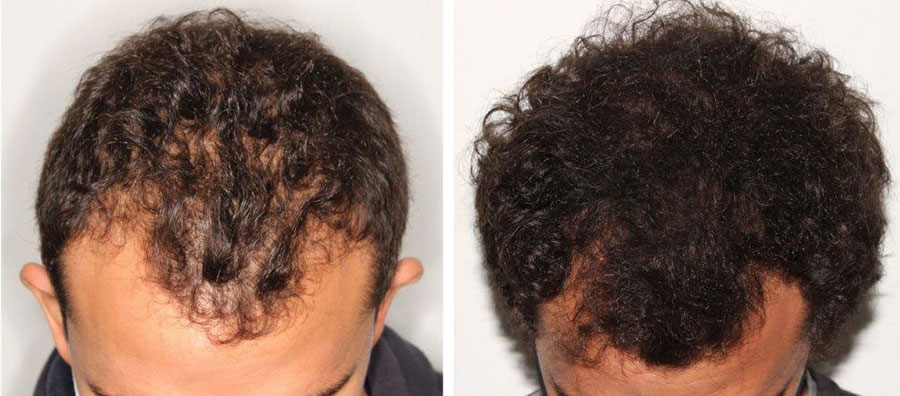
Before and After Expectations
Hair transplant for curly hair results vary based on biology and surgical precision. Transplanted hair typically sheds within the first weeks, which is a normal part of the hair growth cycle.
New growth usually begins after several months. Final density may take up to 1 year to be fully evaluated.
Growth Timeline and Shedding
After a curly hair transplant, the healing process follows a predictable pattern. In the first one to two weeks, the scalp forms small crusts around each graft.
Mild redness or swelling may appear but usually resolves within days. Proper aftercare protects the transplanted hair during this early phase.
Within the first month, most transplanted hair sheds. This phase is normal and does not indicate graft failure. The hair bulbs remain under the skin and enter a resting stage before new hair growth begins.
Patients often notice visible regrowth between three and four months.
Hair growth continues to improve in thickness and length over time. By six months, many patients see clear progress in density.
Final results from a curly hair transplant are usually checked between nine and twelve months. This is when the curl pattern and texture fully develop.
Healing and Potential Complications
Most patients recover without major issues when medical guidance is followed. Temporary swelling, mild discomfort, or minor crusting can occur. Structured follow-up facilitates monitoring of healing and early detection of complications.
Physician involvement during and after surgery supports safe recovery and continuity of care.
Curly Hair Transplant Cost and Location
Pricing Factors and Graft Numbers
Cost depends on graft quantity, clinic structure, surgical time, and geographic location. In the United States, larger or more complex cases can cost between $15,000 and $25,000.
In Mexico, the same procedure may cost between $6,000 and $10,000 with skilled, certified surgeons. Larger sessions require more resources and careful handling of grafts, especially with curved follicles.
How Much Do 3,000 Grafts Cost in Turkey?
Many patients compare international destinations when researching cost. In Turkey, the number of grafts may vary widely depending on the clinic model and the level of physician oversight.
High-volume centers may offer lower pricing, while smaller clinics may focus on individualized care. Patients should evaluate regulatory standards and medical supervision in addition to price.
Turkey vs Mexico Considerations
Hair Transplant Mexico is in San Pedro, Monterrey, Mexico. This area is wealthy and has good medical facilities. Patients often compare Mexico, Turkey, and the United States. They examine physician involvement, regulations, and ongoing care.
Clinic oversight, surgeon certification, and structured follow-up directly affect safety and long-term results.
Choosing a certified specialist such as Dr. Antonio Aguilar reduces the risks associated with less-regulated markets. It also ensures careful care of curly hair follicles.
A good curly hair transplant can give natural growth and keep the curl pattern. This happens when we carefully check the anatomy, donor strength, and technique.
Schedule a personalized consultation to review your candidacy, expected results, and cost options.