
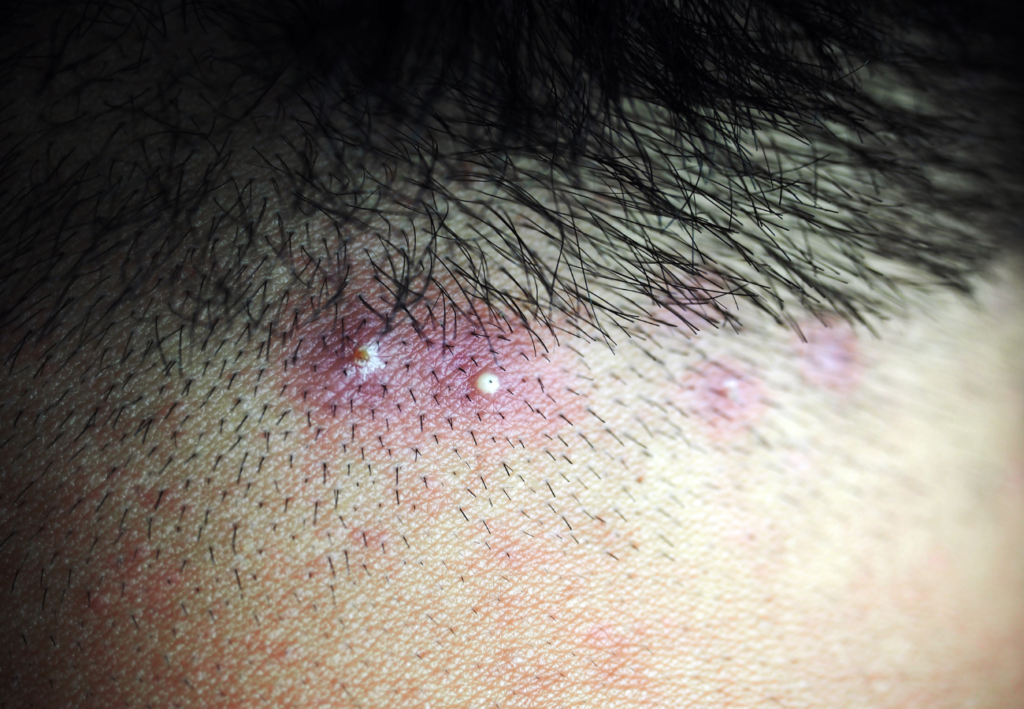
While mild inflammation may resolve with proper care, persistent or worsening signs require medical evaluation to reduce the risk of infection and protect graft survival.
Hair Transplant Mexico, located in San Pedro, Monterrey, Mexico, provides doctor-led hair restoration surgery under the clinical supervision of Dr. Antonio Aguilar, a physician experienced in FUE hair transplant techniques. Understanding symptoms, timing, and treatment helps patients distinguish normal recovery from infection.
Key Takeaways
- An infected hair transplant follicle often presents with redness, swelling, pain, or pus in the recipient area, and symptoms that worsen over time should be evaluated by a physician.
- Not all bumps or pimples after a hair transplant indicate infection, many are part of normal healing or related to ingrown hairs as new hair growth begins.
- Folliculitis after hair transplant surgery can affect the recipient or donor area and is usually manageable when identified and treated early.
- Severe or untreated infection may compromise transplanted hair follicles and affect long-term results, which is why prompt medical assessment is important.
- Careful aftercare, good scalp hygiene, and structured follow-up reduce the risk of infection and support safe recovery after hair restoration surgery.
How to Tell If a Hair Transplant Is Infected
Common Infected hair follicle after Transplant Symptoms
- Localized redness, warmth, swelling, and discomfort in the affected area.
- Small pustules or drainage around the recipient site, which may indicate bacterial infections rather than routine healing.
- Increasing tenderness instead of gradual improvement.
- Symptoms that differ from mild crusting or redness, which typically improve within the first one to two weeks after surgery.
- Fever in rare or more advanced cases.
- Persistent irritation that does not remain limited to normal post-operative scalp sensitivity.
- Changes that appear as hair growth begins and follicles move through early recovery phases require careful monitoring.
Careful monitoring during the first several weeks is important, particularly as hair growth begins and follicles transition through early recovery phases.
Severely Infected Hair Transplant Follicle Signs
A severe infection may cause spreading redness, strong pain, or thick discharge from the area. Swelling that moves beyond the original recipient site needs quick medical review. If left untreated, an infected hair follicle after transplant can damage transplanted hair follicles and affect long-term hair growth.
Do not assume that worsening pain or redness is part of normal recovery. Sudden changes in symptoms should be checked by a doctor. Early treatment lowers the risk of deeper infection and protects the healing process.
When Symptoms Appear
Most infections do not start right after the hair transplant procedure. Mild redness and irritation are common in the first few days. Infection often appears later, usually two to eight weeks after surgery, sometimes linked to folliculitis after hair transplantation as new hairs begin to grow.
Healing time differs for each person. Your immune system, scalp hygiene, and adherence to aftercare instructions all affect recovery. Knowing when symptoms start helps you distinguish between normal healing and a possible complication.
Normal Healing vs Infection
Spots and Hair Transplant Bumps
Spots after a hair transplant are common during recovery. Small scabs or minor hair-transplant bumps typically form at the recipient site where grafts were placed. These changes are part of normal tissue repair and usually resolve without intervention.
In contrast, infection causes increasing inflammation rather than gradual improvement. Pain and expanding redness are key differentiators. Patients should observe whether symptoms decrease over time, which supports normal healing.
After Hair Transplant Pimples
After a hair transplant, small pimples can appear as hair growth begins. These bumps often form when new hairs push through the skin. They may look like acne but are usually mild and temporary.
If pimples become painful, filled with pus, or do not improve, they may signal folliculitis after hair transplant surgery. A doctor can check the area and decide if treatment is needed. Do not squeeze or treat them on your own.
Ingrown Hair After Hair Transplant
An ingrown hair after hair transplant happens when a new hair grows back into the skin instead of outward. This can cause mild swelling and tenderness. Most cases improve on their own.
Gentle washing and avoiding pressure on the area are often enough. If redness, pain, or swelling gets worse, a physician should examine the site.
Donor Area Pimples
Pimples after hair transplant inthe donor area may develop following follicular unit extraction FUE. During follicular unit extraction FUE, individual grafts are removed from the donor zone, and minor inflammation can occur as the skin heals.
Folliculitis in the donor area after a hair transplant typically presents as small, tender bumps. Most cases are mild and resolve with hygiene and monitoring. Persistent lesions require medical review.
Folliculitis After Hair Transplant Surgery
What Is Folliculitis Post Hair Transplant
Folliculitis post hair transplant is inflammation of the hair follicles after hair restoration surgery. It can be caused by bacteria or simple irritation. The problem may affect the recipient area or the donor area.
During a FUE hair transplant, small openings are made in the scalp to place transplanted hair follicles. As new hair growth starts, trapped oil, debris, or bacteria can irritate the skin. Good wound care lowers the risk of infection.
Folliculitis in the Donor Area
Folliculitis after hair transplant surgery can also appear in the donor site after graft removal. This area has many small puncture marks that need proper cleaning during recovery. Friction, sweat, or poor hygiene can increase irritation.
When patients compare countries for a hair transplant procedure, they often look at physician involvement and follow-up care. Rules and clinic oversight can vary by region. Strong medical supervision helps detect and treat problems early.
Does Folliculitis Affect Hair Transplant Results?
Mild folliculitis usually does not affect long-term results. Transplanted hair follicles remain viable if inflammation is treated promptly. However, untreated or severe infection may impair graft survival.
Hair loss in the affected area can occur if tissue damage becomes extensive. Early diagnosis preserves hair growth potential. Medical guidance is essential when symptoms persist.
When Infection Becomes Severe
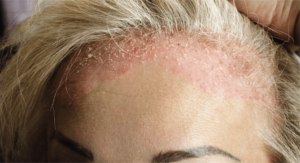
Infected Hair Follicle Spreading
An infected hair follicle spreading beyond the initial site may indicate deeper involvement. Increasing redness or swelling extending to the surrounding scalp tissue requires urgent assessment. Prompt care limits progression.
Patients should avoid manipulating lesions. Trauma may worsen inflammation and delay the healing process. Observation and timely medical consultation are safer approaches.
Risks of Popping Pimples
Hair transplant infection risks include introducing additional bacteria and disrupting the recipient site. Is it ok to pop pimples after a hair transplant is a common question, and the answer is no. Squeezing lesions may spread infection and damage nearby grafts.
Avoiding manual pressure protects transplanted hair follicles. Controlled medical drainage, when necessary, is performed under sterile conditions. Self-treatment increases complications.
When to Seek Medical Care
Medical evaluation is advised if symptoms worsen, spread, or fail to improve within several days. Fever, expanding redness, or severe pain require prompt attention. A professional assessment determines whether antibiotics are necessary.
Doctor-led procedures emphasize structured follow-up. Clinics that provide continuity of care can monitor healing and address complications early. This reduces long-term risk.
Treatment Options
Cleaning and Warm Compresses
Mild cases may improve with gentle cleansing and warm compresses. These measures support circulation and reduce localized inflammation. Strict adherence to aftercare instructions is important.
Patients should use only recommended cleansing products. Harsh chemicals may irritate healing tissue. Conservative management is often sufficient for minor cases.
Topical and Oral Antibiotics
Bacterial infections may require topical or oral antibiotics. Treatment choice depends on severity and clinical findings. Culture testing may be considered in persistent cases.
Antibiotics reduce inflammation and limit the spread. Patients should complete prescribed courses to prevent recurrence. Medical supervision ensures appropriate use.
Clinical Evaluation and Drainage
In rare cases, abscess formation may require drainage. This procedure is performed in a sterile setting by a physician. Timely intervention preserves the surrounding transplanted hair follicles.
Clinics that prioritize physician involvement during hair restoration surgery often provide ongoing evaluation. In San Pedro, Monterrey, Mexico, Hair Transplant Mexico operates in a regulated medical environment, emphasizing continuity of care. Dr. Antonio Aguilar oversees patient monitoring to ensure appropriate management when complications arise.
How to Reduce Infection Risk
- Follow your aftercare instructions to lower the risk of infection.
- Do not touch or scratch the recipient area while it heals.
- Keep your scalp clean with the products your doctor recommends.
- Wash the donor area gently and avoid rubbing or pressure.
- Watch for redness, swelling, pain, or discharge.
- Attend all follow-up visits so your doctor can check your healing.
- Select a clinic in which a physician supervises both the procedure and the recovery.
A hair transplant is not only about the surgery. Proper aftercare is essential to prevent problems and protect hair growth. If you are thinking about a hair transplant, schedule a consultation to learn about the procedure, recovery, and how to heal safely.