Key Takeaways
- DHI hair transplant Mexico is a doctor-led procedure that uses direct implantation tools to place extracted hair follicles with controlled depth and angle. Proper medical evaluation determines candidacy based on donor area strength, scalp health, and realistic density goals.
- DHI hair transplant cost in Mexico varies by graft count, surgeon involvement, and clinic standards, with price ranges typically reflecting the scope of the procedure rather than quality alone.
- Hair transplant surgery carries risks such as infection, swelling, or delayed growth, and full results often take up to twelve months to appear.
- When comparing locations such as Monterrey, Cancun, or Tijuana, patients should consider physician oversight, regulatory standards, and continuity of care rather than focusing solely on cost.
What Is a DHI Hair Transplant in Mexico
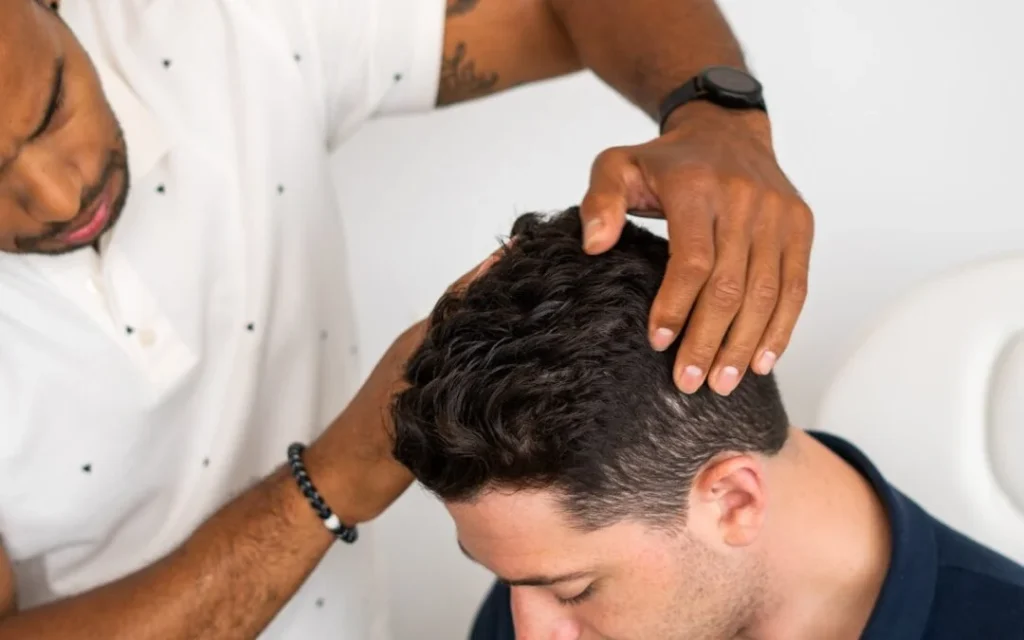
DHI, or Direct Hair Implantation, is a form of follicular unit extraction. Surgeons remove hair follicles from the donor area and place them directly into thinning areas using a pen-like tool.
In DHI hair restoration Mexico, the surgeon controls the depth, angle, and direction of each graft. This approach helps create a natural look when done properly.
Both DHI and FUE hair transplants remove follicular units one at a time. The main difference is how the transplanted hairs are placed. DHI techniques use a specialized implant tool, whereas traditional FUE may create channels first and place grafts afterward.
Both are accepted hair transplant techniques when performed by experienced surgeons.
Who Is a Candidate for DHI
Not every patient qualifies for a DHI hair transplant in Mexico. Candidacy depends on donor area strength, scalp condition, and overall health. A physician must review these factors before surgery.
A proper evaluation usually includes:
- Checking donor area density and hair follicles
- Reviewing medical history and current medications
- Discussing realistic hair growth goals
- Identifying conditions such as active scalp disease
This review helps determine if DHI hair transplant procedures are safe and appropriate.
Areas Commonly Treated
DHI hair transplant procedures often treat the frontal hairline and crown. These areas commonly thin due to androgenetic alopecia. Surgeons design the hairline carefully to maintain balance and natural shape.
Beard and mustache transplant procedures are also possible if the donor area is strong. Eyebrow transplant and scar coverage may be options in selected cases. Final suitability depends on graft supply and skin quality.
DHI Hair Transplant Cost in Mexico
DHI hair transplant cost in Mexico depends on the number of grafts, surgical time, and the physician’s involvement. The cost of a transplant in Mexico is often lower than in the United States. Still, price alone does not measure quality. Patients should review what the DHI hair transplant cost includes, such as anesthesia and follow-up visits.
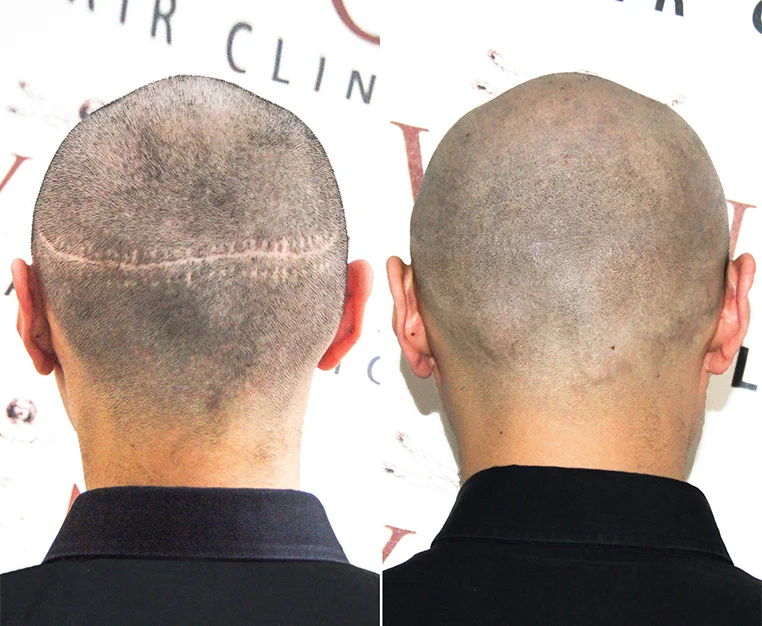
Typical FUE hair transplant price ranges include:
- Single area FUE hair transplant, crown or hairline: $4500 – $8000
- Full FUE hair transplant: $6000 – $10000
- Single area plus full beard FUE hair transplant: $5500 – $9000
- Full beard FUE hair transplant: $4500 – $8000
The final DHI hair transplant cost in Mexico depends on the severity of hair loss and the donor strength. When comparing transplant costs in Mexico with those in other countries, patients should consider the involvement of doctors, clinic standards, and follow-up care.
Travel planning also matters. Hair Transplant Mexico coordinates hotel and transportation services in advance. Dr. Antonio Aguilar provides a hotel stay and arranges a private driver during the visit. Transportation is organized between the hotel, clinic, and airport to support safe and convenient travel.
Risks, Complaints, and Recovery
Searches for DHI hair transplant Mexico complaints often relate to hair density or growth timing. Hair transplant surgery carries risks such as infection, swelling, or uneven graft placement. Results depend on surgical skill, patient biology, and aftercare.
After surgery, redness and mild swelling are common. Transplanted hairs usually shed within a few weeks. New hair growth often begins around three to four months. Full results may take up to twelve months.
Good recovery depends on proper follow-up. Physician monitoring helps address concerns early and manage expectations about success rate. No hair transplant techniques guarantee the same results for every patient.
Safety and Physician Oversight
Medical supervision is essential in hair transplant procedures. Doctor-performed extraction and implantation reduces errors and protects the donor area. Certified doctors evaluate the limits of grafts and prevent overharvesting.
Informed consent should explain risks and realistic density limits. Patients must understand that transplanted hair depends on donor quality and the healing response. High-quality care relies on planning, precise work, and structured follow-up.
DHI Hair Transplant in Monterrey, Cancun, and Tijuana
Patients researching hair transplant in Mexico often compare Monterrey, Cancun, and Tijuana. Each region has transplant clinics in Mexico with different medical settings and travel logistics. Larger cities may offer broader access to hospitals and specialist support.
Hair Transplant Mexico is located in San Pedro, Monterrey, Mexico, an affluent area in northern Mexico. When comparing Mexico with countries such as Turkey or the United States, patients often review regulatory standards, surgeon involvement, and post-operative care.
Some destinations use high-volume models with limited physician supervision. Others focus on direct medical oversight and continuity of care.
What Defines the Best DHI Hair Transplant
@dr.antonioag90 Why do hair transplants fail? 🚨 Most failures come down to 3 things: 1️⃣ Poor planning 2️⃣ Poor diagnosis 3️⃣ Unrealistic expectations A hair transplant isn’t just moving hair. It’s long-term donor management, proper medical evaluation, and honest strategy. When any of those are missing… results suffer. Choose a plan. Choose proper diagnosis. Choose realistic goals. #HairTransplant #HairTransplantFailure #HairRestoration #FUEHairTransplant #HairLossEducation
♬ sonido original - Dr.Antonio Aguilar
Searches for “best DHI hair transplant” or “best DHI hair transplant in world” reflect interest in quality and safety. There is no global ranking system for hair transplant techniques. Quality depends on clear medical standards.
Important factors include:
- Experience of surgeons performing extraction and placement
- Careful donor area planning
- Consistent graft survival and natural hairline design
- Clear follow-up process
DHI hair transplant in Mexico can support a structured hair restoration journey when performed under medical supervision. Long-term success depends on proper evaluation, careful technique, and realistic goals.
If you are considering DHI hair restoration in Mexico, schedule a consultation to receive a personalized medical evaluation and guidance on technique, cost, and candidacy.