
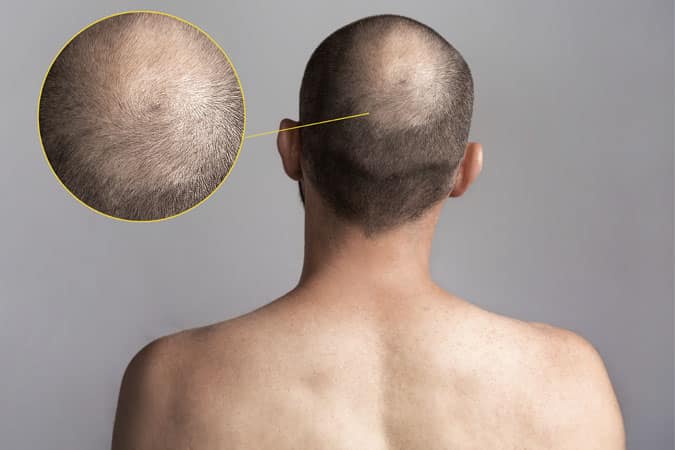
Costs vary based on the number of grafts, clinic setup, and location. In the U.S., prices usually range from $8,000 to $15,000. In Mexico, costs typically range from $4,500 to $8,000. Results depend on donor quality, surgical planning, and the extent of hair loss.
At Hair Transplant Mexico in San Pedro, Monterrey, Dr. Antonio Aguilar performs FUE hair transplants under physician oversight, providing clinical evaluation and structured follow-up as part of modern hair restoration.
This guide explains candidacy, technique, recovery, and long term expectations in clear, medical terms.
Key Takeaways:
- Crown hair transplants restore hair in the vertex using FUE techniques, with visible density typically improving by 12 months and full maturation occurring between 12 and 18 months.
- Costs vary by graft count and location, ranging from approximately $8,000 to $15,000 in the United States and $4,500 to $8,000 in Mexico.
- Graft survival in the crown area is generally estimated at 85–95 percent under appropriate medical conditions, though density goals and the extent of hair loss influence final coverage.
- Results depend on donor quality, surgical planning, and the spiral growth pattern of the vertex, which requires precise implantation angles for natural blending.
- While transplanted follicles are typically permanent, ongoing native hair loss around the crown may require medical management or future procedures to maintain balanced density.
Do Hair Transplants Work on the Crown?
Hair transplants can be performed on the crown, but outcomes depend on anatomy, donor availability, and surgical design.
A hair transplant for the crown area addresses loss in the crown by redistributing transplanted hair follicles from the sides of the scalp to the thinning zone.
The goal is a natural result that blends with existing hair and respects the spiral pattern of the vertex. The success rate of hair transplant crown-area coverage varies with density goals and the progression of male pattern baldness.
Crown Area Hair Transplant Success Rate
The hair transplant crown area success rate is generally estimated at 85-95 percent graft survival when performed under appropriate medical conditions. This rate depends on donor density, scalp characteristics, and the pattern of crown hair loss.
Hair grows from transplanted follicles once they establish a blood supply, but visual coverage may require more grafts than the frontal areas of the scalp.
Patients with stable hair loss and adequate donor reserves typically achieve predictable and natural results.
Thinning vs Balding Crown
A hair transplant for a thinning crown differs from a hair transplant for a balding crown. In thinning cases, existing hair remains, and graft placement must protect and blend with it.
In advanced cases of bald spots, larger graft counts may be required to restore visible coverage. The extent of hair loss determines surgical planning and whether medical therapy should support the procedure.
Limitations of the Vertex
The vertex has a spiral growth pattern and lower visual density than the frontal hairline. Loss of the crown often progresses over time, particularly in male pattern baldness.
A hair transplant on the crown can improve appearance, but it does not stop future thinning in untreated areas. Realistic expectation setting remains essential for long term satisfaction.
Crown Hair Transplant Timeline Month by Month
Understanding the crown hair transplant timeline month by month helps patients anticipate changes.
Healing and regrowth follow predictable biological stages. Hair grows gradually rather than immediately. Most visible improvement occurs after several months.
First Two Weeks
The first two weeks involve healing and scab formation. Mild redness and swelling can occur, particularly in the implanted areas of the scalp.
Transplanted hair follicles enter a temporary resting phase. Patients usually resume normal daily activities within days, depending on the rate of recovery.
3 to 6 Months Growth
Between three and six months, new strands begin to emerge. Hair grows slowly at first and may appear thin. Density improves progressively as follicles mature. During this period, patients often notice early signs of crown coverage.
8 Months Density
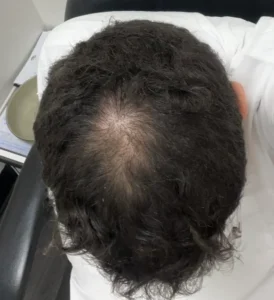
At eight months, many patients see clearer improvement in thickness. Crown hair transplant results 8 months after surgery typically show visible blending with existing hair.
The 6-month postoperative crown hair transplant milestone often marks the transition from early growth to cosmetic improvement. Full density continues to develop beyond this stage.
Final Results at 12 to 18 Months
Most final crown hair transplant results appear between 12 months and 18 months. Hair thickens and integrates into the surrounding areas of the scalp.
Visual coverage stabilizes, although minor maturation can continue. Patience remains important during this phase.
How Long Does a Crown Hair Transplant Last?
Transplanted hair follicles are generally resistant to male pattern baldness. Once established, they often continue to grow over the long term.
The durability of a hair transplant for the crown depends on stable donor characteristics. Results can last many years when the donor supply remains strong.
Longevity of Transplanted Hair
Transplanted follicles maintain genetic resistance from the sides of the scalp. These follicles typically continue to grow hair permanently.
Regular follow-up supports monitoring of the surrounding hair. Long-term stability depends on individual biology.
Ongoing Native Hair Loss
Native hair around the crown may continue thinning over time. Crown hair loss can progress even after surgery.
Patients may require medical management to slow further loss. Monitoring ensures balanced density across treated and untreated zones.
Need for Future Procedures
Some patients consider additional restoration procedures if hair loss progresses. A second hair restoration procedure may increase density or address new thinning.
Evaluation by a physician determines suitability. Continuity of care helps guide timing.
Crown Hair Transplant Procedure
The crown transplant procedure typically uses the FUE hair transplant method. This approach extracts individual grafts from donor zones.
Physicians then implant them in the crown following natural growth angles. Proper technique ensures even distribution.
FUE Extraction
During FUE extraction, surgeons remove grafts individually from the sides of the scalp. This method leaves minimal scarring and allows flexible graft planning.
Donor evaluation determines how many units can be safely harvested. Precision protects donor integrity.
Spiral Pattern Implantation
Implantation follows the circular growth pattern of the vertex. Surgeons angle grafts to replicate the natural direction.
Tools such as implantation pens may assist in controlled placement. Careful design promotes a natural result.
Recovery and Shedding Phase
After implantation, transplanted hair follicles may shed before regrowth begins. This stage is common and temporary.
Hair grows again as follicles reenter active phases. Structured patient follow-up supports recovery monitoring.
Who Is a Candidate?
Candidacy for a hair transplant for the crown area depends on several medical factors:
- Adequate donor hair quality and density, usually from the sides of the scalp
- Stable crown hair loss, without rapid ongoing thinning
- Good overall health to support healing
- Realistic expectations about density and long term results
- Proper timing based on the extent of hair loss and progression of male pattern baldness
A medical evaluation determines whether a crown hair transplant is appropriate and when it should be performed.
Donor Hair Evaluation
Physicians assess density and thickness in donor areas. Limited supply restricts the number of grafts available. Donor preservation supports future procedures if needed. Planning balances present and future goals.
Medical Assessment
A comprehensive medical review identifies factors that affect healing. Scalp health and systemic conditions influence outcomes.
Professional evaluation ensures safe surgical planning. Doctor-led procedures emphasize oversight.
Expectation Setting
Clear expectations improve satisfaction. Patients should understand realistic density and growth timelines.
Crown restoration focuses on visual improvement rather than a full return to childhood density. Communication remains central to decision-making.
Crown Hair Transplant Cost
Price Ranges by Country
Costs vary based on graft count and location. In the United States, crown hair transplant procedures typically range from $8,000 to $15,000. In Mexico, prices typically range from $4,500 to $8,000. Larger crown areas require more grafts, which increases the total cost.
Graft Numbers
The extent of hair loss determines the number of grafts needed. A larger bald spot in the crown requires more transplanted follicles to achieve adequate density. Accurate assessment prevents underplanning and avoids the need for early revisions.
Geographic Differences
Patients often compare Mexico, Turkey, and the United States. Cost structures reflect differences in physician involvement, regulatory oversight, and clinic models.
Hair Transplant Mexico is located in San Pedro, Monterrey, an established medical area in northern Mexico with structured follow-up systems.
Clinic Structure and Staffing
Some clinics operate high-volume models with limited physician supervision. Others provide direct doctor oversight throughout planning and graft placement.
Patients assess medical involvement, continuity of care, and post-procedure follow-up when comparing destinations.
Crown Hair Transplant Results and Before and After
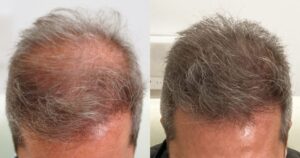
Before-and-after comparisons help illustrate expected change. Results evolve gradually over months. Density and texture improve with time.
Evaluation should focus on natural blending.
Visual Changes at 3 Months
At three months, early regrowth appears. Coverage remains partial. Hair grows progressively thicker. Patience remains important.
Density Progression
Between six and twelve months, visible fullness improves. Crown hair transplant before-and-after images often show greater density at 12 months.
Growth continues to mature gradually. Final evaluation occurs after full maturation.
Variability in Results
Individual healing and donor quality affect outcomes. Not all patients achieve identical density. The extent of hair loss influences the final coverage.
Professional guidance helps interpret expectations.
Risks and Safety Considerations
All surgical procedures carry risks. Crown restoration requires careful technique and oversight. Understanding potential complications supports informed consent. Safety depends on planning and supervision.
Shock Loss
Temporary shedding of existing hair can occur. This phase typically resolves as hair regrows.
Monitoring ensures appropriate management. Communication with the treating physician remains important.
Healing Variability
Healing times differ among patients. Mild swelling or redness may appear briefly. Proper aftercare reduces complications. Structured follow-up supports recovery.
Importance of Physician Oversight
Doctor-led supervision improves procedural control. Skilled surgeons manage graft planning and implantation angles.
Continuity of care supports long-term stability. Regulatory standards vary by region, so patients often review oversight practices carefully.
Crown Hair Transplant in Turkey vs Mexico
Many patients compare Turkey and Mexico when researching a crown hair transplant because cost, clinic models, and follow-up care can differ.
In Turkey, some centers handle a high number of cases each day, and doctor involvement may vary, which can limit long-term follow-up once patients return home.
In Mexico, particularly in cities such as Monterrey, clinics often provide direct physician supervision and structured post-surgical follow-up, which supports safer monitoring of the crown area after a hair transplant.
If you are considering treatment, schedule a consultation with Hair Transplant Mexico to receive a clear medical evaluation and a personalized plan based on your extent of hair loss and long-term goals.